
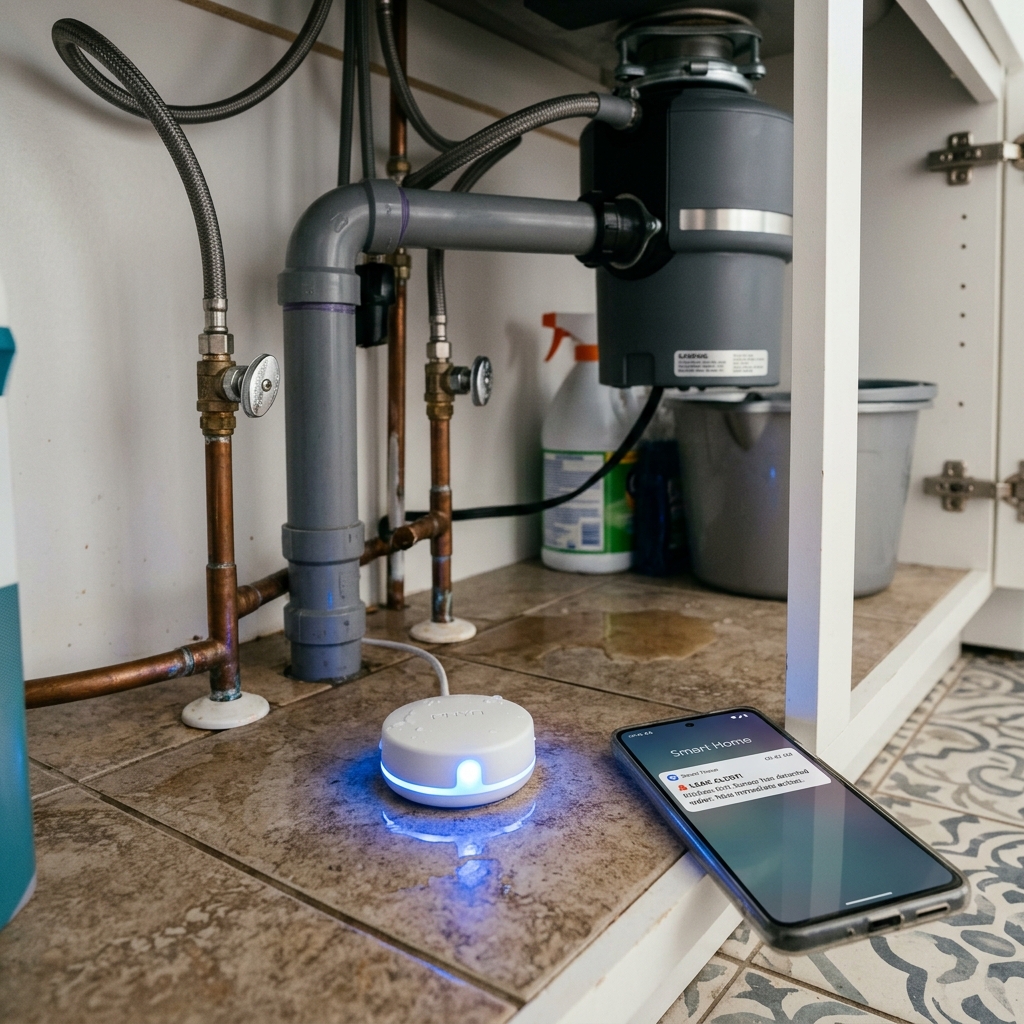
Your home is getting smarter — thermostats learn your schedule, lights respond to voice commands, and security cameras watch while you're away. But one of the most valuable smart home investments protects against something far more damaging than a forgotten light: water damage. Smart plumbing technology can detect leaks in seconds, shut off water automatically, optimize your water heater's energy use, and potentially save you thousands on insurance.
Here's what's available, what it costs, and what actually delivers value for Vancouver homeowners.
Why Smart Plumbing Matters
Water damage is the most common home insurance claim in Canada — and one of the most expensive. The Insurance Bureau of Canada reports that water damage claims have increased 400% since the 1980s, with average claims running $10,000–$40,000. A burst washing machine hose, a slow leak under the kitchen sink, or a failed water heater while you're on vacation can cause catastrophic damage to flooring, drywall, furniture, and personal belongings.
Smart plumbing technology addresses this risk at three levels:
- Detection: Leak sensors alert you the moment water appears where it shouldn't
- Prevention: Automatic shutoff systems stop water flow when anomalies are detected
- Optimization: Smart water heaters and monitoring systems reduce energy use and costs
For Vancouver homeowners specifically, the heavy rainfall, aging housing stock, and prevalence of drain tile and waterproofing issues make smart water monitoring especially valuable.
Smart Leak Sensors ($30–$100 Each)
The simplest and most cost-effective entry into smart plumbing, these small battery-powered devices sit on the floor near potential leak sources and alert your phone when they detect water.
Where to Place Them
- Behind/under the water heater
- Behind the washing machine
- Under kitchen and bathroom sinks
- Near the sump pump
- In the basement near foundation walls
- Behind each toilet
- Under the dishwasher
A set of 5–7 sensors covers the highest-risk areas in a typical home for $200–$500. Batteries typically last 2–3 years. Most integrate with existing smart home ecosystems (Apple HomeKit, Google Home, Samsung SmartThings).
Automatic Water Shutoff Systems ($500–$1,200 Installed)
The next level of protection: these systems combine flow monitoring with an automatic valve that can shut off your home's entire water supply. When the system detects a leak — either from point sensors or abnormal flow patterns — it closes the valve and sends you an alert.
How They Work
A motorized ball valve installs on your main water line after the meter. Ultrasonic sensors or turbine flow meters measure water flow, pressure, and temperature continuously. The system learns your home's normal usage patterns and flags anomalies: a tap running for 4 hours, a sudden pressure drop, or continuous micro-flow that indicates a hidden leak.
Top Systems for Vancouver Homes
- Moen Smart Water Shutoff: ~$500 device, WiFi-connected, integrates with Moen leak sensors. No subscription required for core features.
- Flo by Moen (Smart Water Monitor & Shutoff): ~$500 device, daily health tests, temperature monitoring. Optional subscription for advanced features.
- Phyn Plus: ~$700 device, measures pressure 240 times per second. Excellent at detecting micro-leaks behind walls. No subscription for core features.
Professional installation by a licensed plumber is recommended — these devices install on the main water line and require proper pipe connections, often with electrical work for power.
Smart Water Heaters
Modern smart water heaters connect to WiFi and offer features that save energy and improve convenience:
- Scheduling: Heat water only when you need it, not 24/7. This alone can reduce water heating costs by 10–20%
- Vacation mode: Set to minimum temperature while you're away, then heat back up before you return
- Leak alerts: Built-in sensors detect leaks at the base and send immediate notifications
- Energy tracking: Monitor daily/monthly energy usage and identify inefficiencies
- Diagnostic alerts: Notifications when maintenance is due or components show signs of failure
If you're planning a water heater replacement, choosing a smart-enabled model adds $100–$300 to the price but provides ongoing savings and peace of mind. Heat pump water heaters with smart features are particularly cost-effective — combining efficiency savings with intelligent scheduling.
Water Usage Monitoring
Beyond leak detection, smart water monitoring helps you understand and reduce water consumption:
- Fixture-level tracking: Advanced systems can distinguish between your shower, toilet, and irrigation, showing exactly where water goes
- Usage alerts: Set daily or monthly targets and get notified when approaching them
- Irrigation optimization: Smart irrigation controllers use weather data and soil moisture sensors to water only when needed
- Leak quantification: Track exactly how much water a running toilet or dripping faucet wastes per day
For landlords with water included in rent, monitoring systems provide valuable visibility into tenant water usage and can detect problems at unoccupied properties.
Insurance Discounts for Smart Water Systems
Many Canadian insurers now offer premium discounts for homes with smart water protection:
- BCAA: Up to 15% discount for approved water detection/shutoff systems
- Intact Insurance: Discounts for homes with water sensor systems
- Aviva: Premium reductions for smart home water protection
- Wawanesa: Discounts for water leak detection and automatic shutoff
A 10% discount on a $2,000/year insurance premium saves $200 annually — meaning a $600 shutoff system pays for itself in 3 years through insurance savings alone, before counting the value of prevented water damage.
Contact your insurer before installing to confirm which systems qualify for discounts. Some require professional installation and specific device models.