
Drain Tile & Perimeter Drain Systems
Professional drain tile installation and replacement to protect your North Vancouver home from groundwater infiltration. We've installed and repaired thousands of perimeter drain systems across the North Shore.
What Is a Drain Tile System?
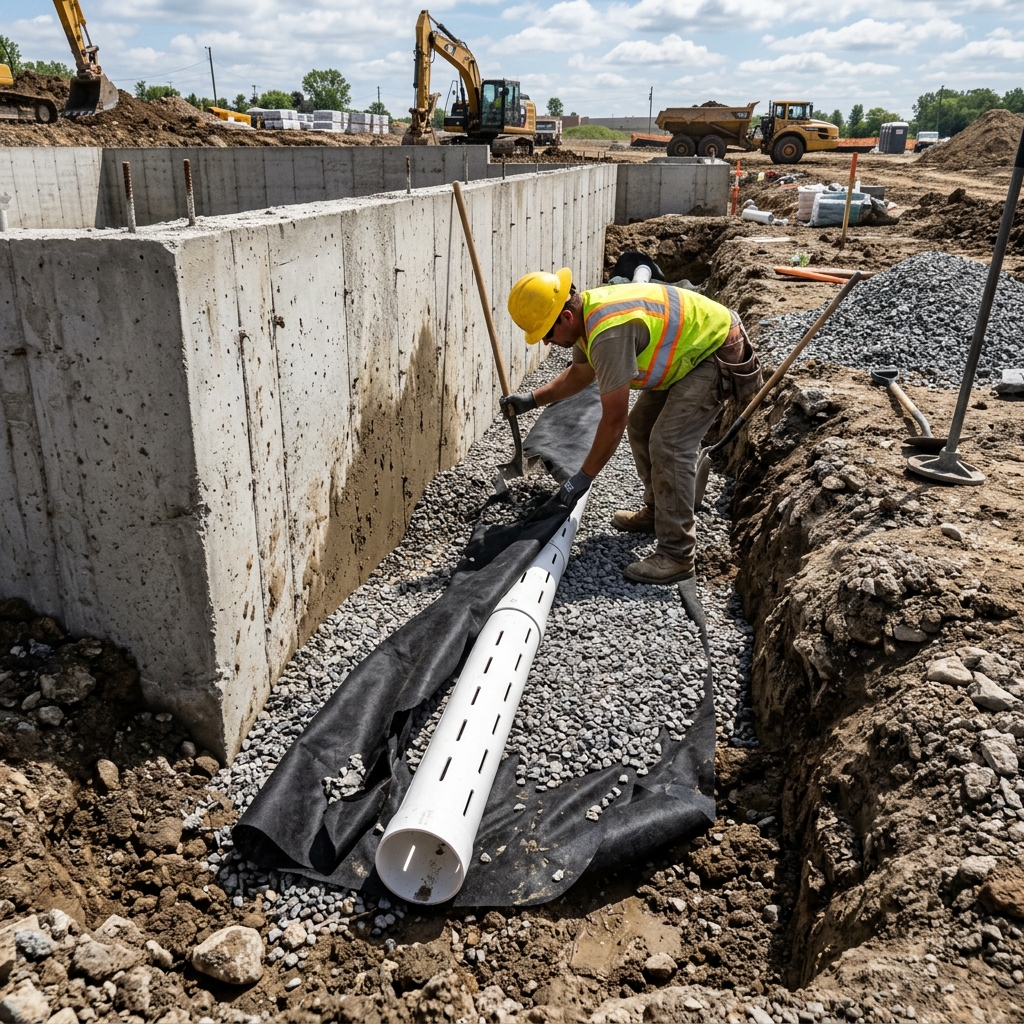
A drain tile system — also known as a perimeter drain or weeping tile — is the first line of defense between your foundation and the relentless groundwater pressure that builds during Vancouver's wet season.
The system consists of perforated pipes installed in a gravel bed at the base of your foundation's footing. As water saturates the soil around your home, it enters the perforations and is channeled away from the building — typically to a storm sewer connection, sump pit, or a designated drainage area downslope.
On the North Shore, where annual rainfall exceeds 2,000mm and many homes sit on clay-heavy soils with poor natural drainage, a properly functioning drain tile system is the difference between a dry, structurally sound basement and one that suffers from chronic moisture problems, mold growth, and potentially catastrophic foundation damage.
Modern drain tile systems use rigid or flexible PVC pipe wrapped in filter fabric to prevent sediment infiltration. Combined with proper waterproofing membranes, dimple board, and graded gravel, these systems are engineered to last 30–50 years with minimal maintenance.
Types of Perimeter Drain Systems
We install and replace both exterior and interior drain tile systems, matching the right solution to your property's specific needs and conditions.
Exterior Drain Tile (Perimeter Drain)
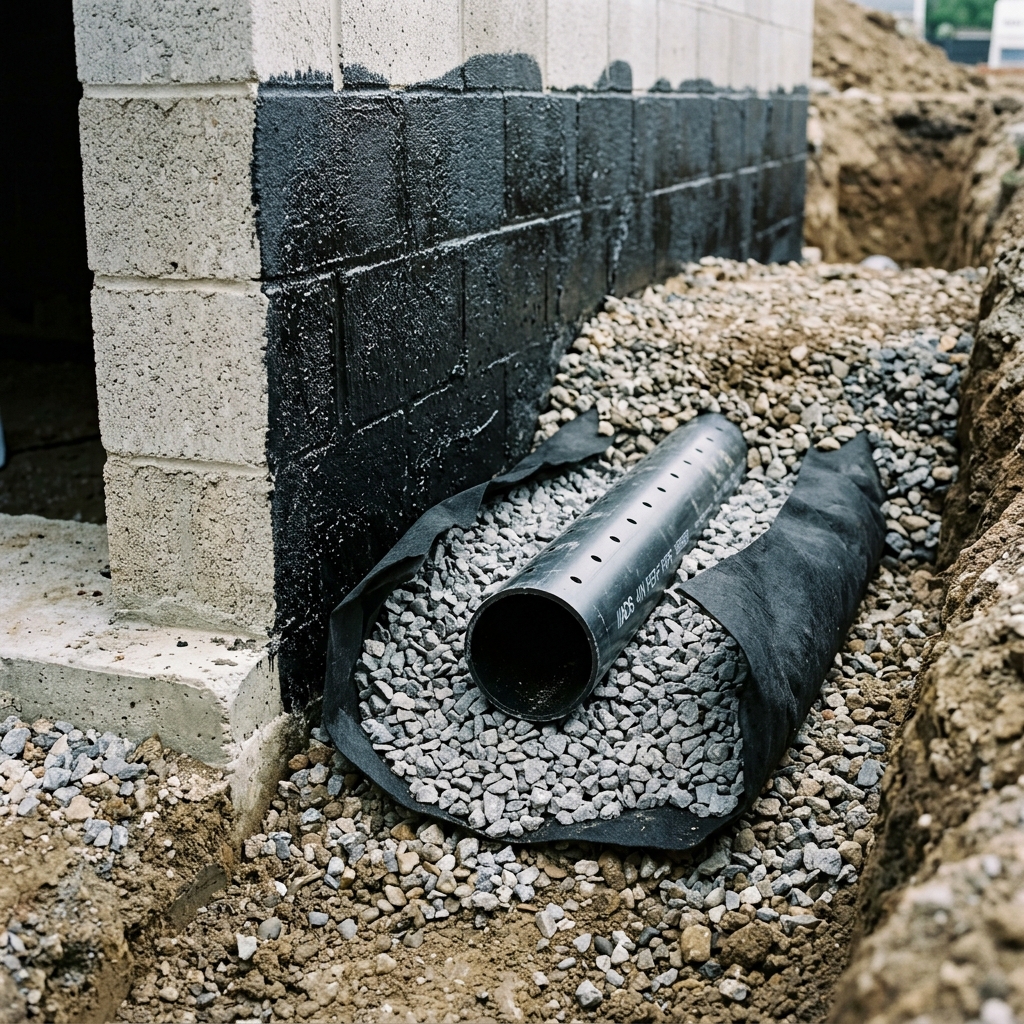
The gold standard for foundation protection. Exterior drain tiles are installed around the outside perimeter of your foundation at the footing level. This requires excavation down to the footing, but provides the most effective barrier against water entry.
Best for: Complete drain tile replacement, new construction, homes with severe water infiltration, and properties where long-term foundation protection is the priority.
What's included: Excavation to footing, old pipe removal, new perforated PVC pipe in gravel bed, filter fabric wrapping, waterproofing membrane application, backfill, grading, and landscape restoration.
Interior Drain Tile (French Drain)
When exterior excavation is impractical due to landscaping, adjacent structures, or budget constraints, interior drain tiles provide an effective alternative. These are installed inside the basement perimeter beneath the concrete slab, directing water to a sump pit and pump.
Best for: Homes where exterior access is limited, older homes with finished landscaping, townhouses and row homes, and as a supplement to exterior systems.
What's included: Concrete cutting along the interior perimeter, trench excavation, perforated pipe installation, gravel bedding, sump pit and pump installation, concrete patching, and cleanup.
Signs Your Drain Tiles Need Attention
Don't ignore these red flags — they indicate your foundation drainage system may be compromised.
Water in Basement
Standing water, wet floors, or water seeping through cracks in your basement floor or where the wall meets the floor — the most obvious sign of drain tile failure.
Foundation Cracks
Horizontal or stair-step cracks in foundation walls indicate hydrostatic pressure pushing against the wall. This pressure builds when drain tiles fail to redirect water.
Musty Odors
Persistent damp, musty smells from the basement or crawl space often indicate hidden moisture infiltration and early-stage mold growth caused by poor drainage.
Efflorescence
White, chalky mineral deposits on basement walls indicate water is migrating through the concrete, carrying dissolved minerals to the surface as it evaporates.
Yard Pooling
Water collecting near your foundation after rainfall, especially if it doesn't drain within hours, suggests your perimeter drain system is clogged or collapsed.
Mold Growth
Visible mold on basement walls, floors, or stored items means moisture levels are consistently elevated — a direct consequence of failing foundation drainage.
BC Building Code Requirements
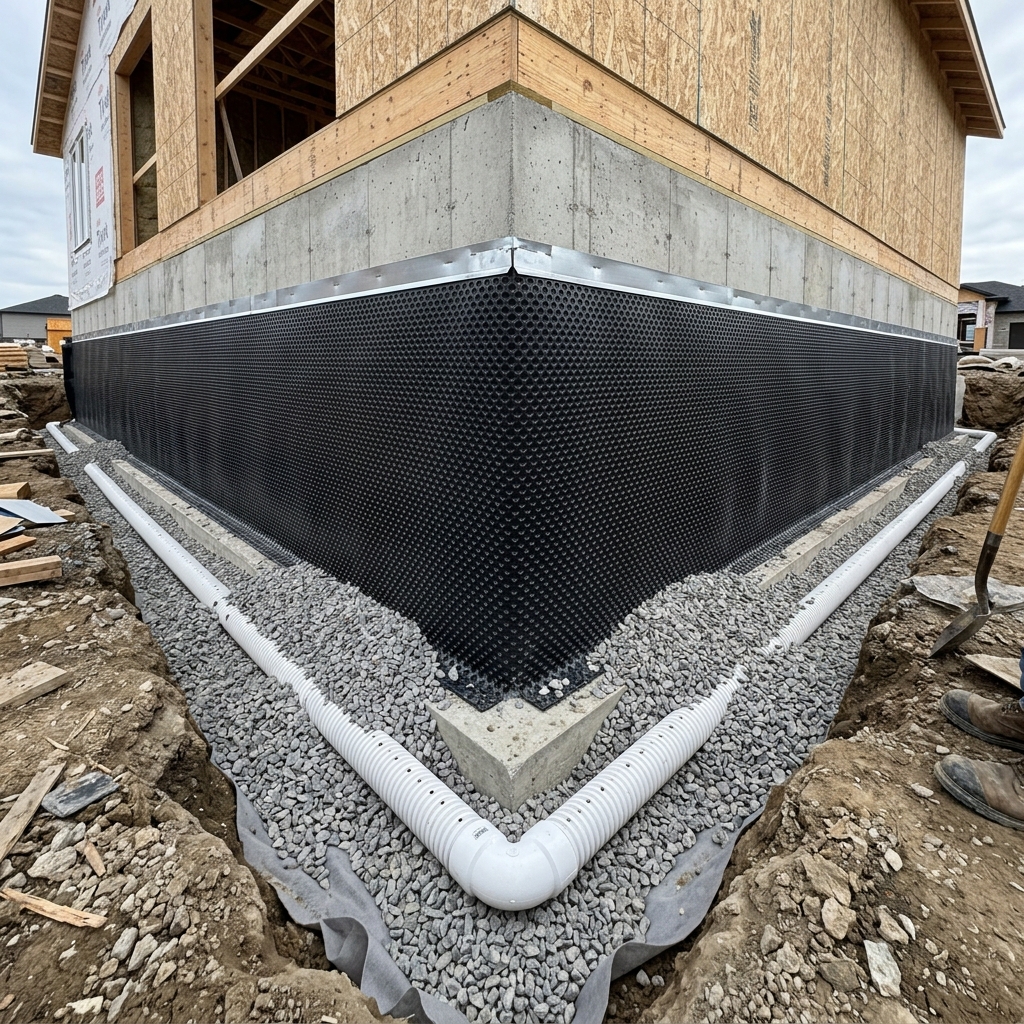
The British Columbia Building Code (Section 9.14 — Drainage and Soil Treatment) sets clear requirements for foundation drainage in residential construction. All new homes must include a perimeter drainage system at or below the level of the bottom of the footing.
Key requirements include:
- Drain pipes must be placed at or below the bottom of the floor slab or crawl space ground cover
- Minimum 150mm (6") gravel bed surrounding drain pipes for proper water collection
- Foundation waterproofing or damp-proofing membranes must be applied to below-grade walls
- Drainage systems must be connected to a storm sewer or approved drainage point
- Minimum pipe slope of 1% to ensure positive drainage flow
Lord Mechanical ensures every drain tile installation meets or exceeds these requirements. Our technicians stay current with municipal regulations for North Vancouver, West Vancouver, and all Greater Vancouver municipalities.
How We Install Drain Tile Systems
Camera Inspection & Assessment
We start with an HD camera inspection of your existing drain tiles (if present) and a thorough assessment of your property's grading, soil conditions, and water flow patterns. This tells us exactly what's happening underground.
Excavation to Footing
We carefully excavate around the foundation perimeter down to the footing level. Your landscaping is protected where possible, and excavated soil is managed responsibly. Shoring is used as needed on deeper excavations.
Waterproofing & Pipe Installation
Foundation walls are cleaned, inspected for cracks (repaired if found), and coated with a waterproofing membrane. Dimple board is installed for added protection. New perforated PVC pipe wrapped in filter fabric is placed in a clean gravel bed at the proper slope.
Connection & Flow Testing
The drain system is connected to the storm sewer or a sump pit with a reliable pump. We conduct a water flow test to verify proper drainage at every access point and cleanout. Comprehensive documentation is provided.
Backfill & Restoration
The excavation is backfilled with proper drainage gravel and soil layers, graded to direct surface water away from the foundation. We restore landscaping, walkways, and patios to pre-project conditions.
Drain Tile FAQ
A drain tile system (also called a perimeter drain or weeping tile) is a network of perforated pipes installed around your home's foundation at the footing level. Water that collects around the foundation enters through the pipe perforations and is directed away from the building to a storm sewer, sump pit, or drainage ditch. The system uses gravity and gravel bedding to collect and redirect groundwater before it can penetrate your basement walls.
Modern PVC drain tiles typically last 25–50 years with proper maintenance. However, older clay or concrete drain tiles found in many North Vancouver homes built before the 1980s may already be past their functional lifespan. Heavy rainfall, root intrusion, and soil shifting on the North Shore can accelerate deterioration. We recommend camera inspections every 5 years for systems over 20 years old.
Drain tile replacement in North Vancouver typically costs between $8,000 and $20,000 depending on the home's size, accessibility, soil conditions, and scope of work required. Partial replacements or spot repairs may cost less. Lord Mechanical provides free, detailed estimates so you understand the complete cost before any work begins. Contact us to schedule yours.
Key warning signs include persistent water in your basement or crawl space, white mineral stains (efflorescence) on foundation walls, musty odors from below ground level, visible cracks in the foundation, water stains on basement walls or floors, and pools of standing water near your foundation after rainfall. A camera inspection can confirm whether your drain tiles are damaged or blocked.
Yes. The BC Building Code (Section 9.14) requires foundation drainage for all new residential construction. Perimeter drainage systems must be installed at or below the level of the footing to prevent water accumulation against the foundation. For existing homes, while replacement isn't mandated, a failing drain tile system can lead to structural issues that may trigger municipal enforcement during property inspections or renovations.
Complete Drainage Solutions
Trenchless Pipe Repair
No-dig pipe repair and replacement technology for minimal disruption to your property.
Learn MoreDrainage Maintenance
Regular cleaning and inspection to extend the life of your drainage system.
Learn MoreEmergency Plumbing
24/7 emergency response for sewer backups, flooding, and urgent drainage failures.
Learn MoreNeed Drain Tile Installation or Replacement?
Don't let a failing drainage system compromise your home's foundation. Contact Lord Mechanical today for a free inspection and transparent estimate on drain tile services.