
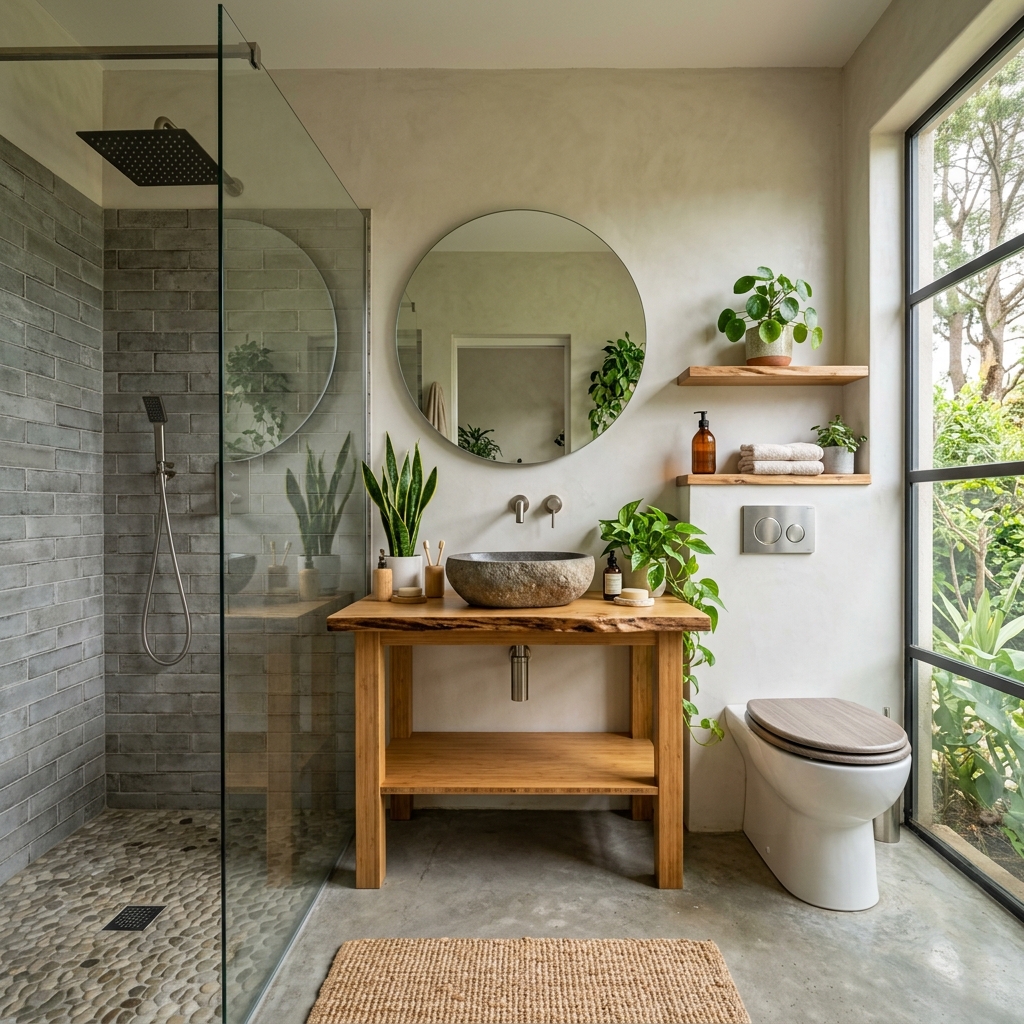
British Columbia prides itself on environmental stewardship, and your home's plumbing system is one of the most impactful areas where green upgrades deliver measurable results. Water heating alone accounts for 18–20% of a typical home's energy use — second only to space heating. Add water consumption, pipe insulation, and fixture efficiency, and plumbing represents a major opportunity for both environmental and financial savings.
Here are the most effective green plumbing upgrades for Vancouver and North Shore homeowners, ranked by return on investment.
Why Green Plumbing Makes Sense in BC
BC homeowners have unique advantages when it comes to green plumbing: the province offers among the best rebate programs in Canada, our relatively mild climate makes heat pump water heaters highly effective, and our clean hydro electricity grid means that switching from gas to electric water heating genuinely reduces carbon emissions (unlike provinces with coal-heavy grids).
The economics are compelling. A family of four in North Vancouver typically spends $800–$1,500/year on water heating and $500–$900/year on water utility bills. Green plumbing upgrades can reduce these costs by 30–50%, meaning payback periods of 2–5 years for most investments — and many are subsidized by generous BC rebates.
Low-Flow Fixtures: The Easiest Win
Low-Flow Showerheads ($20–$100)
The single most cost-effective green plumbing upgrade. WaterSense-certified showerheads use 1.5–2.0 GPM versus the 2.5+ GPM of older models. Modern low-flow designs use air-injection technology that maintains the feeling of a powerful shower while using 30–40% less water. A family of four saves approximately 7,300 gallons of water per year — plus the energy cost of heating that water.
Dual-Flush Toilets ($200–$600)
Dual-flush toilets use 3 litres for liquid waste and 6 litres for solids, versus 13+ litres for pre-1995 toilets and 6 litres for standard modern toilets. Given that the average person flushes 5–6 times daily, dual-flush toilets save 30%+ on toilet water usage. If your home still has older toilets, replacing them is one of the most impactful upgrades.
Faucet Aerators ($5–$30)
These screw-on mesh screens mix air into the water stream, reducing flow from 2.2 GPM to 1.0–1.5 GPM while maintaining perceived pressure. At $5–$30 each, they're the cheapest plumbing upgrade available and can be installed in minutes without a plumber. Replace every faucet aerator in your home for under $50.
Recirculating Hot Water Systems ($300–$800)
How much water do you waste waiting for hot water to reach your shower or kitchen tap? In most homes, 1–3 gallons runs down the drain each time. A recirculating pump keeps hot water available at fixtures instantly, eliminating this waste. Demand-type systems (pump activates when you press a button) use the least energy.
Energy-Efficient Water Heating
Heat Pump Water Heaters
The gold standard for green water heating. Heat pump water heaters extract heat from ambient air (like a refrigerator in reverse) and use it to heat water. They use 60–75% less electricity than conventional electric tanks. In BC's moderate climate, they perform well year-round. With CleanBC rebates of up to $3,000, the effective cost after rebates can be comparable to a standard tank.
Tankless (On-Demand) Water Heaters
By eliminating the 40–50 gallon tank of continuously heated water, tankless systems eliminate standby heat loss — the energy wasted keeping a tank hot 24/7. They're 24–34% more efficient for typical household usage and last 15–20 years versus 8–12 for tanks.
Solar-Assisted Water Heating
Solar thermal systems preheat water using rooftop collectors, reducing the load on your primary water heater. BC's summer sun provides excellent solar gain, and even winter sun contributes meaningful preheating. These systems work best as supplements to a conventional or heat pump water heater. Cost: $4,000–$8,000 installed.
Pipe Insulation ($0.50–$2.00 per linear foot)
Insulating hot water pipes reduces heat loss as water travels from the heater to fixtures. This is one of the most overlooked green plumbing upgrades despite being extremely cheap. Foam pipe insulation from any hardware store costs under $1/foot and installs in minutes. Focus on the first 6 feet of hot and cold pipes at the water heater, plus any long runs through unheated spaces.
Water Recovery and Reuse
Rainwater Harvesting
Vancouver receives over 1,100mm of rain annually (North Vancouver gets over 2,000mm). Capturing this water for irrigation, toilet flushing, and laundry use can reduce municipal water consumption by 40–60%. Systems range from simple rain barrels ($50–$200) to comprehensive underground cistern systems ($5,000–$15,000) with filtration and pumping.
Note: BC regulations allow rainwater harvesting for non-potable uses without special permits in most jurisdictions. Check with the District or City of North Vancouver for specific requirements.
Greywater Recycling
Greywater — from showers, bathtubs, and washing machines — can be treated and reused for toilet flushing and irrigation. This is more common in new construction but can be retrofitted in existing homes. BC's building code now includes provisions for greywater reuse systems with appropriate treatment. Cost: $3,000–$10,000 depending on complexity.
Smart Conservation Technology
Smart plumbing technology overlaps significantly with green goals:
- Smart water monitors track usage by fixture, helping identify waste
- Leak detection systems prevent the enormous water waste of undetected leaks (a running toilet can waste 200+ gallons/day)
- Smart irrigation controllers use weather data to eliminate overwatering
- Smart water heaters optimize heating schedules to reduce energy use by 10–20%
BC Rebates and Incentives (2026)
- CleanBC: Up to $3,000 for heat pump water heaters; rebates for high-efficiency space heating equipment
- FortisBC: Rebates on high-efficiency gas water heaters, boilers, and furnaces
- BC Hydro: Rebates for switching gas to electric heating and hot water
- Canada Greener Homes: Up to $5,000 for eligible home energy improvements
- Metro Vancouver: Water conservation rebate programs for toilets and fixtures
Rebates can often be stacked — combining provincial and federal programs. Lord Mechanical can help you navigate which rebates apply to your specific upgrade plan and assist with applications. Contact us for a green plumbing consultation.