
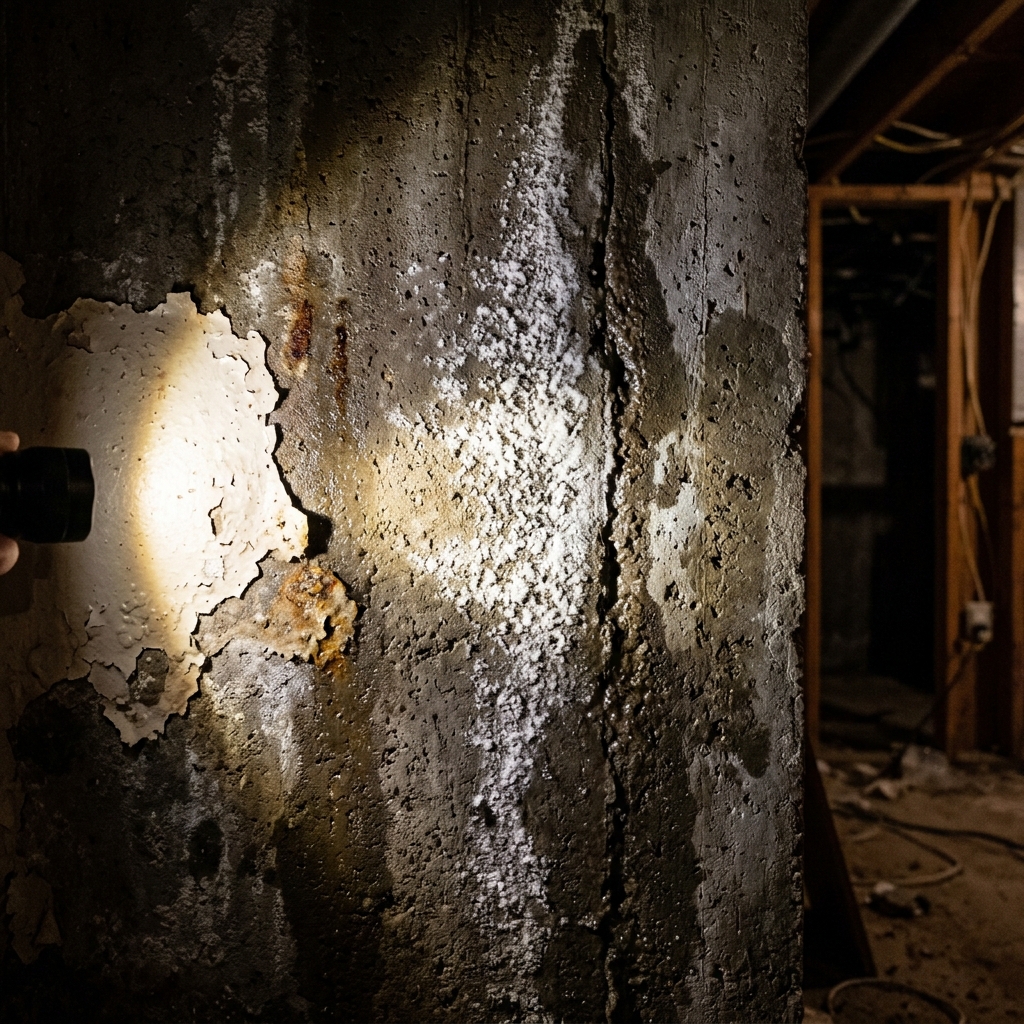
Foundation water leaks are among the most insidious problems a homeowner can face. Unlike a burst pipe that announces itself with dramatic flooding, foundation leaks work quietly — seeping through cracks, saturating soil, promoting mould growth, and weakening structural elements for months or years before they become obvious. In Vancouver's rainy climate, with North Shore homes built on steep, saturated hillsides, foundation water issues are disturbingly common.
The key to minimizing damage and repair costs is early detection. Here are the warning signs every Vancouver homeowner should watch for, plus what to do when you find them.
10 Warning Signs of a Foundation Water Leak
1. Unexplained Increase in Water Bills
If your water usage hasn't changed but your bill has climbed steadily, a hidden leak is likely. Even small under-slab leaks can waste thousands of litres per month. Compare your current bills to the same period last year — a 20%+ increase without explanation warrants investigation.
2. Damp or Wet Spots on Basement Floors
Dampness that appears on the basement floor — especially in consistent locations — indicates water entering through the slab. This can be from groundwater pressure (rising water table), a failed drain tile system, or a leaking supply line or sewer pipe under the floor.
3. Water Stains on Basement Walls
Horizontal water marks on foundation walls show the high-water line from previous moisture intrusion events. Stains at the floor-wall joint (called the "cove joint") are the most common location — this is where hydrostatic pressure forces water through the gap between the foundation wall and the floor slab.
4. Efflorescence (White Mineral Deposits)
White, chalky, or crystalline deposits on concrete or masonry surfaces are a clear sign that water has been migrating through the material. As water evaporates on the surface, it leaves dissolved minerals behind. Efflorescence itself is harmless but is definitive proof of moisture movement through the foundation.
5. Musty or Mouldy Odours
If your basement smells musty even when clean and dry-looking, hidden moisture is feeding mould growth behind finished walls, under carpets, or in concealed spaces. Mould can begin growing within 24–48 hours of moisture exposure and poses serious health risks, particularly for people with respiratory conditions.
6. Cracks in Foundation Walls
Not all cracks indicate leaks, but certain patterns are concerning:
- Horizontal cracks: Often caused by hydrostatic pressure from saturated soil pressing against the wall. These are the most structurally significant.
- Diagonal (stair-step) cracks: Common in block foundations. Often indicate settlement combined with water pressure.
- Vertical cracks: Usually caused by concrete shrinkage during curing. Less structurally concerning but still potential water entry points.
- Cracks that are wet, stained, or have mineral deposits: Active water infiltration regardless of crack type.
7. Peeling Paint or Bubbling Wallpaper
Moisture behind finished basement walls causes paint to peel, wallpaper to bubble, and drywall to soften. If these symptoms appear only near floor level, the water source is likely coming through the foundation. If they appear higher, suspect a plumbing leak in the wall.
8. Warped or Buckled Flooring
Laminate, hardwood, and vinyl flooring over a basement slab will warp, buckle, or cup when moisture rises through the concrete. This is often the first sign homeowners notice because it's impossible to ignore — but by this point, significant moisture has been present for some time.
9. Mould or Mildew Growth
Visible mould — black, green, or white fuzzy growth — on basement walls, floor joints, or stored items confirms chronic moisture. Even if you clean the mould, it will return unless the water source is eliminated. Mould remediation without fixing the leak is wasted money.
10. Running Water Sounds
If you hear water running in walls or under floors when all fixtures are off, you may have a supply line leak under or within the slab. This is often a copper pipe failure due to corrosion or a damaged sewer line. Smart water monitoring systems can help detect these leaks automatically.
Common Causes of Foundation Water Leaks in Vancouver
Failed Drain Tiles
Drain tiles (perimeter drainage systems) are the first line of defense against foundation water. In older North Shore homes, original clay or concrete drain tiles degrade over decades, becoming clogged with sediment, crushed by soil pressure, or infiltrated by tree roots. When drain tiles fail, groundwater has no pathway away from the foundation and builds pressure against the walls and under the slab.
Drain tile issues are the #1 cause of foundation water problems in North Vancouver. Learn more about drain tile systems and replacement options.
Hydrostatic Pressure
Vancouver's heavy rainfall saturates the soil around your foundation. This creates hydrostatic pressure — essentially, the weight of water-logged soil pressing against your foundation walls and slab. Even hairline cracks become water entry points under enough pressure. This is particularly severe on the North Shore's steep terrain where uphill properties channel water toward downhill homes.
Deteriorated Waterproofing
Foundation waterproofing membranes (applied to the exterior of the foundation wall) have a lifespan of 15–30 years depending on material and conditions. Older homes may have only a tar-based dampproofing (not true waterproofing) that provides minimal protection.
Under-Slab Plumbing Leaks
Water supply lines and sewer pipes that run under the basement slab can develop leaks due to corrosion, soil movement, or aging joints. These leaks are particularly tricky because the water appears to come through the floor but originates from your own plumbing system, not groundwater.
Poor Grading and Drainage
The ground around your foundation should slope away from the house at a minimum of 5% grade (6 inches of drop over 10 feet). Over time, landscaping changes, soil settlement, and construction activities can reverse this grade, directing surface water toward the foundation.
How Professionals Detect Hidden Leaks
When the source of water isn't obvious, professional leak detection tools pinpoint the problem:
- Water meter test: Turn off all water use and monitor the meter. If it moves, you have a plumbing leak (not a drainage issue).
- Sewer camera inspection: A camera fed through your sewer line reveals cracks, root intrusion, and bellying that can cause under-slab leaks.
- Infrared thermal imaging: Thermal cameras detect temperature differences caused by moisture behind walls and under floors — making hidden water visible.
- Acoustic leak detection: Specialized microphones detect the sound of water escaping from pressurized pipes, even through concrete.
- Moisture meters: Professional-grade meters measure moisture levels in concrete, wood, and drywall — quantifying the extent of water intrusion.
- Drain tile camera inspection: A camera inserted into the drain tile system reveals the condition of the perimeter drainage.
Repair Options and Costs
The right repair depends entirely on the cause. Treating symptoms without fixing the source is the most expensive mistake:
-
Interior crack injection
Epoxy or polyurethane injected into foundation cracks. Effective for isolated vertical cracks. $500–$2,000 per crack. -
Interior waterproofing membrane
Applied to interior foundation walls. Manages water that's already entered. $3,000–$8,000. -
Interior drain tile (French drain) system
Channel installed inside the basement perimeter to collect water and route it to a sump pump. $5,000–$15,000. -
Exterior waterproofing with excavation
The gold standard. Excavate around the foundation, apply new waterproofing membrane, replace drain tiles. $10,000–$30,000+. -
Drain tile replacement
Replace failed perimeter drainage with modern PVC drain tile. Often combined with exterior waterproofing. $8,000–$25,000. -
Under-slab plumbing repair
Locate and repair leaking supply lines or sewer pipes under the basement floor. $2,000–$8,000 depending on access and extent.
Prevention Strategies
- Maintain proper grading: Ensure soil slopes away from the foundation at all points. Regrade as needed after landscaping changes.
- Extend downspouts: Gutter downspouts should discharge at least 6 feet from the foundation. Consider underground extensions to street drainage.
- Clean gutters regularly: Overflowing gutters dump water directly at the foundation. Clean at least twice per year in Vancouver's leafy neighbourhoods.
- Maintain drain tiles: Have your drain tile system inspected and flushed every 5–10 years. Early detection of drain tile problems prevents foundation damage.
- Monitor basement humidity: Keep basement relative humidity below 60%. Use a dehumidifier in summer months. This prevents mould even if minor moisture is present.
- Install a sump pump with battery backup: Essential for homes in flood-prone areas or with high water tables. Test it every spring.