
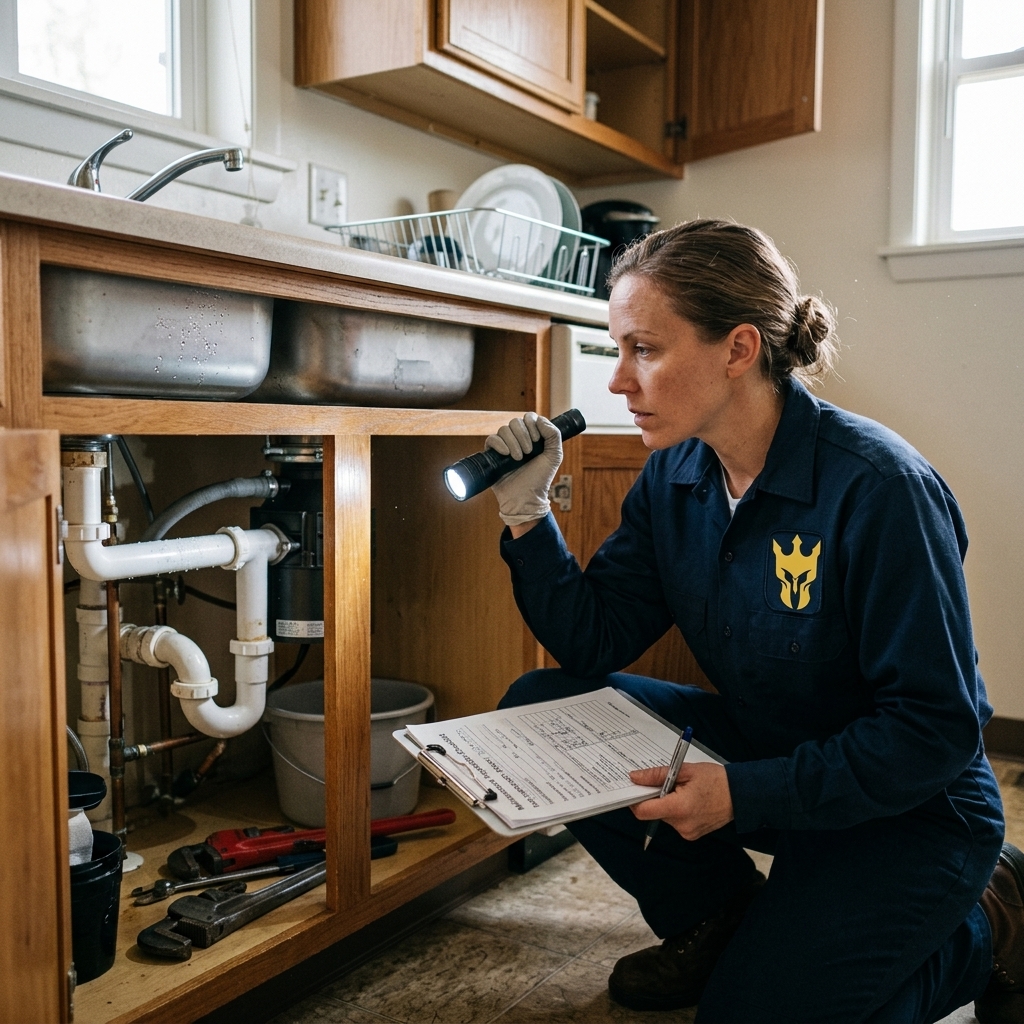
Plumbing problems don't wait for a convenient time — and when you're a landlord, they always seem to happen at the worst possible moment. But with a proactive maintenance approach, you can prevent 80% of plumbing emergencies, protect your investment, keep tenants happy, and avoid the costly after-hours service calls that eat into your rental income.
This guide covers your legal obligations under BC tenancy law, a practical maintenance schedule, and proven strategies for minimizing plumbing costs across your rental portfolio.
Your Legal Obligations Under BC Law
The BC Residential Tenancy Act (RTA) is clear: landlords must maintain rental properties "in a reasonable state of repair and comply with health, safety and housing standards required by law." For plumbing, this means:
- Hot and cold running water must be available at all times. Water heater maintenance and replacement are your responsibility.
- Functioning drainage — sinks, tubs, toilets, and floor drains must work properly. Sewer line maintenance is the landlord's responsibility.
- Leak-free plumbing — visible leaks, dripping faucets, and running toilets must be repaired in a reasonable timeframe.
- Emergency response — plumbing emergencies (burst pipes, sewer backups, no hot water) require urgent attention, not next-business-day scheduling.
Failure to maintain plumbing can result in tenant complaints to the Residential Tenancy Branch, rent reductions, and liability for damage caused by neglected maintenance. Worse, deferred plumbing maintenance typically costs 3–5x more when it finally fails compared to proactive repairs.
Tenant vs. Landlord Responsibilities
Generally, landlords are responsible for all plumbing repairs related to normal wear and tear. Tenants are responsible for damage caused by misuse — such as flushing inappropriate items, pouring grease down drains, or failing to report a leak promptly. Clear language in your tenancy agreement helps define these boundaries. Document the plumbing condition at move-in with photos and written notes.
Preventive Maintenance Schedule
This schedule applies per property. For multi-unit buildings, some tasks can be consolidated:
Annual Tasks
- ✓ Professional plumbing inspection of all fixtures, connections, and exposed pipes
- ✓ Water heater flush and anode rod check
- ✓ Test all shutoff valves (exercise them to prevent seizing)
- ✓ Check washing machine hoses (replace every 5 years or upgrade to braided stainless steel)
- ✓ Inspect drain tiles and foundation drainage (exterior walk-around)
Every 2–3 Years
- ✓ Professional drain cleaning (kitchen and main line)
- ✓ Replace toilet flappers and fill valves
- ✓ Check backflow prevention devices (if installed)
Every 3–5 Years
- ✓ Sewer line camera inspection
- ✓ Replace water heater anode rod
- ✓ Inspect and service sump pump (if applicable)
Most Common Rental Property Plumbing Issues
1. Clogged Drains
The #1 plumbing call for rental properties. Hair in bathroom drains, grease in kitchen drains, and "mystery items" flushed down toilets. Prevention: install hair catchers in showers, provide tenants with a "plumbing do's and don'ts" sheet, and schedule professional drain cleaning every 1–2 years.
2. Running Toilets
A running toilet wastes $50–$200/month in water. Tenants often don't report them because they don't notice the sound or don't realize it's wasting money (especially if water is included in rent). Replace flappers and fill valves every 2–3 years proactively — the $15 part prevents the $200/month waste.
3. Leaky Faucets
A dripping faucet wastes water, annoys tenants, and causes mineral staining. Most faucet drips are caused by worn cartridges or O-rings — a $20–$50 repair that prevents tenant complaints and water damage.
4. Water Heater Failures
Nothing generates a 2am emergency call faster than a failed water heater in a rental property. Track each unit's age and plan proactive replacement before failure. Set calendar reminders at the 8-year mark.
5. Frozen Pipes
Rental properties with unoccupied units (during vacancy or travel) are especially vulnerable in winter. Ensure heat stays on (minimum 10°C) during cold snaps, insulate exposed pipes, and include pipe protection instructions in your tenant guide.
Tenant Communication Strategies
Smart communication prevents problems and protects you legally:
- Provide a "plumbing care" guide at move-in: Include what can/can't go down drains, where shutoff valves are, and how to report issues.
- Make reporting easy: Text, email, or an online portal. The easier it is for tenants to report small issues, the less likely they'll become big (and expensive) ones.
- Respond promptly: Even if the repair isn't urgent, acknowledge the report quickly. Tenants who feel ignored stop reporting problems — and small leaks become big ones.
- Give proper notice for inspections: BC law requires 24 hours written notice for non-emergency entry. Schedule annual inspections with adequate notice.
- Document everything: Before/after photos, receipts, and written communication protect you in any dispute.
Tenant Turnover Plumbing Checklist
Every tenant change is an opportunity for a thorough plumbing check:
- Run all faucets — check for leaks, adequate hot water, proper drainage
- Flush all toilets — check for running, rocking, or leaking at base
- Inspect under all sinks — check for moisture, leaks, mold
- Check garbage disposal operation and clean
- Inspect water heater for signs of failure
- Replace caulking around tubs and showers if deteriorated
- Photograph plumbing condition for documentation
Cost-Saving Strategies for Landlords
- Establish a relationship with one plumbing company: Regular clients often receive priority scheduling and may get volume pricing. Lord Mechanical offers commercial and multi-property plumbing accounts.
- Invest in quality fixtures: Commercial-grade faucets and toilets cost more upfront but last 2–3x longer than budget hardware-store models in rental environments.
- Install smart water leak sensors: $30–$100 per sensor, placed under sinks, behind toilets, and near water heaters. They alert you to leaks before they cause thousands in damage.
- Use braided stainless steel supply hoses: Replace rubber washing machine and dishwasher hoses with braided stainless steel. The $25–$50 upgrade prevents the catastrophic flooding that rubber hose failures cause.
- Budget 1% of property value annually for maintenance: On a $800,000 Vancouver property, that's $8,000/year. Plumbing typically represents 15–25% of total maintenance costs.