
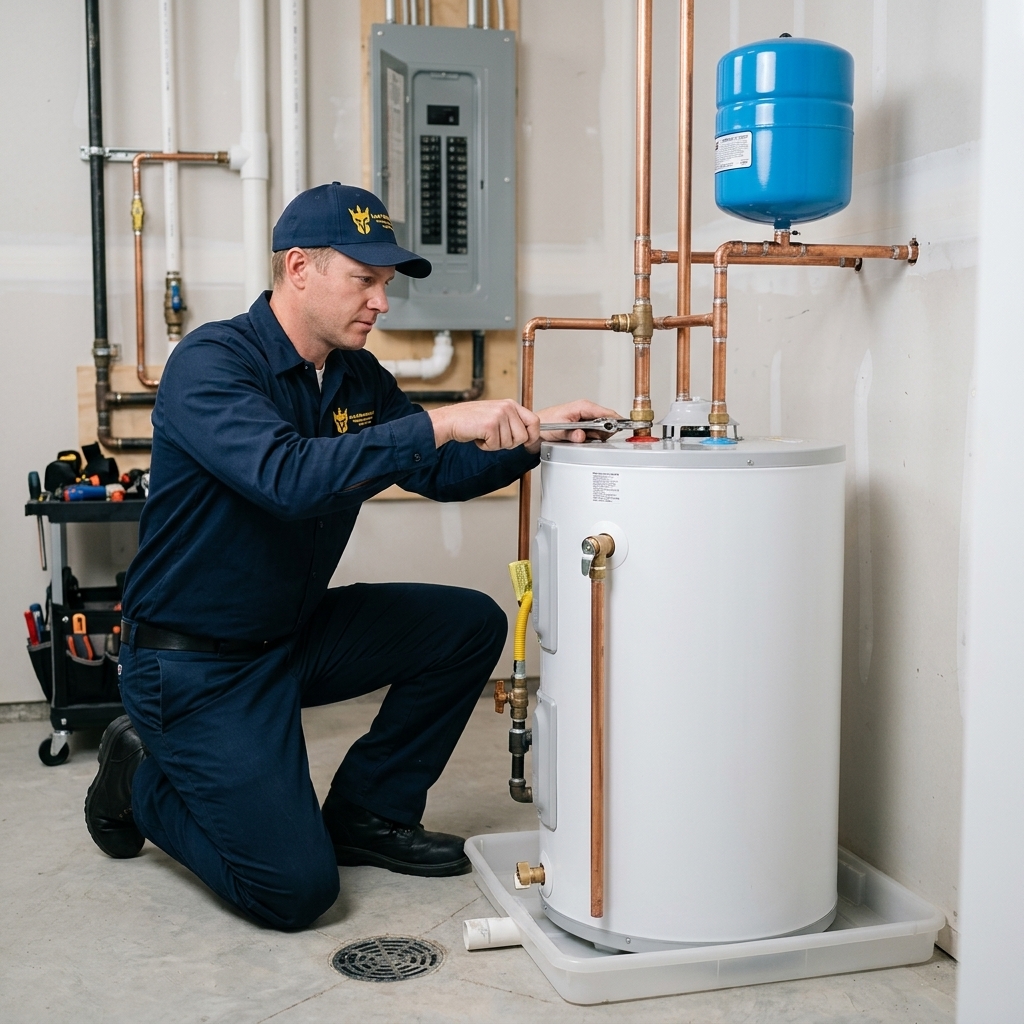
No one thinks about their water heater — until they're standing in a cold shower wondering what happened. But timing your water heater replacement strategically can save you hundreds of dollars and days of inconvenience. Here's when and why to plan your replacement in BC.
The Best Season to Replace Your Water Heater
The short answer: late spring through early fall (May to September) is the ideal window for planned water heater replacement in British Columbia. Here's why:
Lower Demand = Better Service
Winter is peak season for plumbing emergencies, including water heater failures. When cold incoming water temperatures (4–8°C in BC winter) force water heaters to work their hardest, aging units fail at the worst possible time. Plumbing companies are swamped with emergency calls from November through February, which means longer wait times and less scheduling flexibility.
During spring and summer, plumbing companies have more availability. You can schedule installation at your convenience rather than waiting days for an emergency slot. At Lord Mechanical, same-day or next-day water heater installation is often available during the May–September window.
Lower Costs
Emergency water heater replacement costs 20–40% more than planned installation. Rush scheduling fees, after-hours premiums, and limited unit selection (you take whatever's in stock) all inflate emergency costs. Planning ahead lets you research options, compare quotes, and choose the ideal unit for your home.
Warmer Incoming Water = Easier Transition
BC's incoming water temperature varies dramatically by season — around 4–8°C in winter versus 12–18°C in summer. A new water heater installed in summer has an easier job from day one, and any installation-day downtime is far more tolerable when outdoor temperatures are comfortable.
Rebate Timing
Many BC and federal rebate programs for energy-efficient water heaters (especially heat pump water heaters) open enrollment windows in spring. Applying early in the year gives you the best chance of securing rebate funding before budgets are depleted. Check the BC heat pump rebate guide for current programs.
Signs Your Water Heater Needs Replacing
Don't wait for a flood. Watch for these warning signs that your water heater is nearing end-of-life:
Urgent Signs
- Water pooling around the base
- Visible rust on tank or connections
- Rumbling or banging noises
- Hot water runs out much faster
- Water appears rusty or discoloured
Planning Signs
- Unit is 8+ years old (tank) or 15+ (tankless)
- Energy bills are creeping up
- Recovery time is getting longer
- Minor repairs becoming frequent
- Water doesn't get as hot as it used to
If you're seeing "urgent" signs, don't wait for the ideal season — schedule replacement now. But if you're in the "planning" category, target that spring/summer window for the best experience and pricing.
Why Proactive Replacement Saves Money
The math is compelling. Consider this real-world comparison for a standard 50-gallon tank replacement in North Vancouver:
- Planned summer replacement $1,500 – $2,500
- Emergency winter replacement $2,000 – $3,500
- Water damage cleanup (if tank bursts) $3,000 – $15,000+
- Hotel stay (while waiting for emergency install) $200 – $500
The "savings" from running an aging water heater until it fails are often dwarfed by the premium you pay for emergency service plus the potential for water damage. A 50-gallon tank holds about 190 litres of water. If the tank develops a major leak while you're at work, that water — plus continued supply pressure — can cause devastating damage to your home.
Choosing the Right Replacement
Standard Tank Water Heaters
Still the most common choice, available in gas and electric. Modern units are significantly more efficient than those made even 10 years ago. Good for: households with steady, predictable hot water usage. Cost: $1,200–$2,500 installed. Check out our detailed cost guide for more information.
Tankless (On-Demand) Water Heaters
Heat water only when needed, eliminating standby energy loss. Best for smaller homes or households with variable usage patterns. Higher upfront cost ($3,000–$5,500 installed) but lower operating costs and 15–20 year lifespan. Gas models require adequate venting, which can add installation complexity.
Heat Pump Water Heaters
The most energy-efficient option, using ambient air heat to warm water. They use 60–75% less electricity than conventional electric tanks. Best for homes with a warm utility room or heated garage. Cost: $3,000–$5,000 installed, but significant BC rebates (up to $3,000) make them very competitive. They do operate more slowly than gas units, so sizing is important.
BC Rebates and Incentives (2026)
British Columbia offers some of the best water heater rebates in Canada:
- CleanBC: Up to $3,000 for qualifying heat pump water heaters
- Canada Greener Homes: Up to $1,000 for eligible hot water equipment
- FortisBC: Rebates on qualifying high-efficiency gas water heaters
- BC Hydro: Rebates for switching from gas to electric heat pump water heaters
Rebate programs change regularly and often have limited funding. Spring applications have the best chance of approval. Lord Mechanical can help you navigate which rebates you qualify for and handle the paperwork.
Extending Your Current Water Heater's Life
If your water heater isn't ready for replacement yet, these maintenance steps can add years to its life:
- Flush the tank annually: Drain 2–3 gallons from the bottom valve to remove sediment buildup
- Check the anode rod every 2–3 years: This sacrificial rod prevents tank corrosion. Replace when it's more than 50% depleted
- Test the T&P relief valve annually: Lift the lever — water should flow freely and stop when released
- Insulate the tank: A water heater blanket ($25–$50) reduces standby heat loss by 25–40%
- Set the temperature to 120°F (49°C): This balances efficiency, safety, and Legionella prevention
These tasks take 30–60 minutes and can be done by handy homeowners. If you're not comfortable, our annual plumbing maintenance service includes all of these checks.