
BC winters are tough on plumbing. Between freezing temperatures in January, torrential rains throughout the fall and winter, and the occasional snowstorm that shuts down the North Shore, your home's plumbing system endures months of stress that can leave hidden damage waiting to surface.
Spring is your opportunity to catch problems before they become emergencies. This checklist covers the ten most important plumbing tasks every BC homeowner should complete as winter gives way to warmer weather. Most take just minutes, but they can save you thousands in water damage and emergency repairs.
Why Spring Plumbing Maintenance Matters in BC
British Columbia's climate creates unique challenges for residential plumbing. The Lower Mainland's combination of freezing winter nights, sustained heavy rainfall (North Vancouver gets over 2,000mm annually), and rapid temperature swings creates conditions that stress pipes, drain tiles, and outdoor plumbing in ways that warmer, drier climates simply don't experience.
Common winter damage includes:
- Frozen pipe micro-cracks: Pipes that froze may have hairline fractures that only leak noticeably when temperatures stabilize
- Foundation drainage stress: Months of saturated soil put enormous hydrostatic pressure on drain tiles and foundation waterproofing
- Outdoor plumbing damage: Hose bibs, irrigation systems, and exposed pipes may have freeze damage
- Sewer line infiltration: Tree roots are most aggressive in early spring when seeking moisture
- Water heater strain: Your water heater works hardest during winter and may show wear as spring arrives
The 10-Point Spring Plumbing Checklist
1. Inspect Outdoor Hose Bibs and Faucets
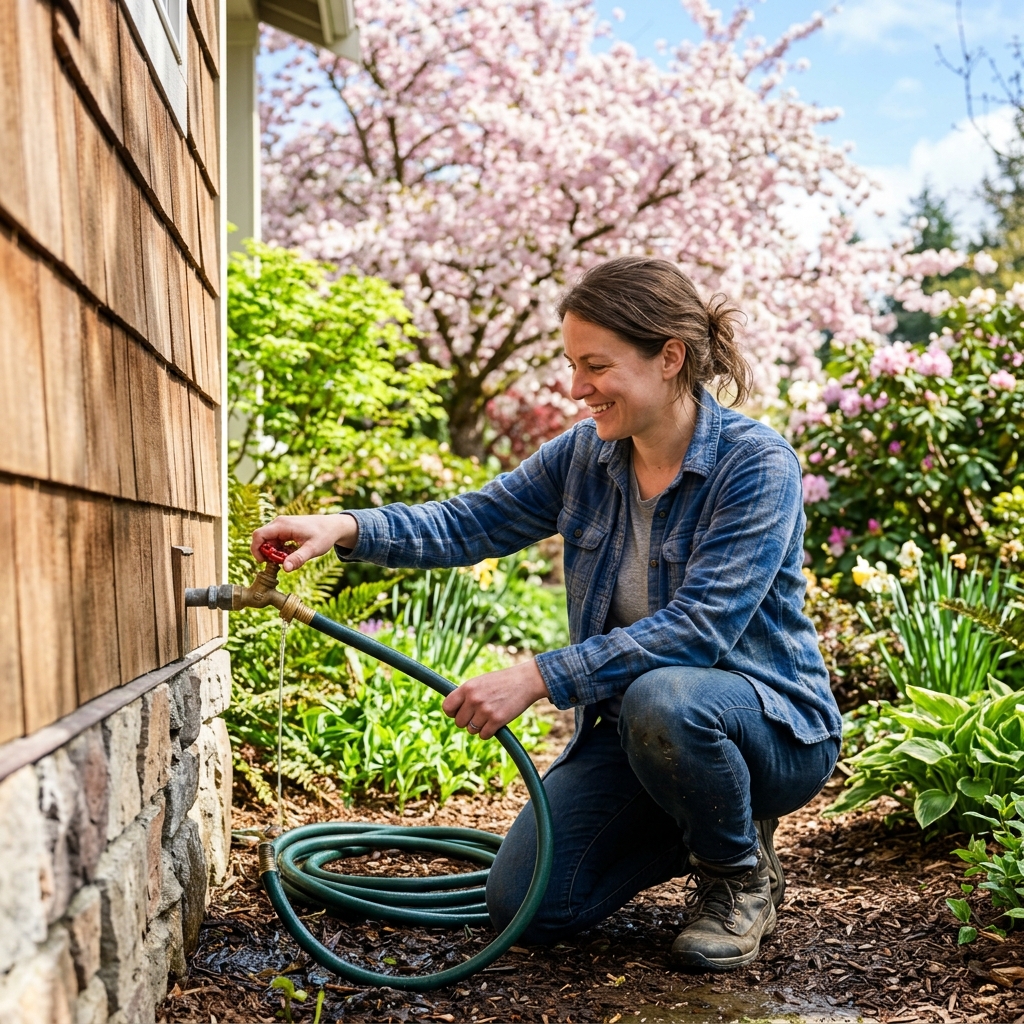
Turn on each outdoor faucet and let it run for a minute. Watch for leaks at the handle, around the wall penetration, and from the spout itself. While the water runs, go inside and check the wall behind each hose bib for dampness or water stains. A frozen hose bib can crack internally and only leak when turned on — or worse, leak constantly behind the wall where you can't see it.
Pro tip: If you left a hose connected all winter (a common mistake), the trapped water likely froze and may have damaged the anti-siphon valve inside the hose bib. This is one of the most frequent spring plumbing repairs we handle at Lord Mechanical.
2. Check Your Water Meter for Hidden Leaks
Turn off all water-using appliances and fixtures in your home. Go to your water meter and note the reading. Wait 30 minutes without using any water, then check again. If the meter has moved, you have a leak somewhere in your system. This simple test can catch hidden leaks that waste water and damage your home 24/7.
3. Inspect the Water Heater
Your water heater just worked through its busiest season. Check for:
- Signs of rust or corrosion on the tank or connections
- Water pooling at the base (even small amounts)
- Unusual noises (rumbling, popping) when heating — this indicates sediment buildup
- The T&P (temperature and pressure) relief valve — lift the lever briefly to confirm it opens and reseats properly
- The anode rod (if accessible) — this sacrificial rod protects the tank from corrosion and should be replaced every 3–5 years
If your water heater is over 8 years old, spring is an excellent time to plan a replacement before it fails unexpectedly during winter.
4. Test All Toilets for Leaks
Drop a few drops of food colouring into each toilet tank. Wait 15 minutes without flushing. If colour appears in the bowl, the flapper valve is leaking. This silent leak can waste 200+ gallons of water per day and add $50+ to your monthly water bill without you ever noticing.
5. Check Under Every Sink
Open the cabinet under each sink in your home and look for:
- Dampness, water stains, or warped cabinet floor
- Dripping from supply lines, P-traps, or disposal connections
- Musty smell indicating hidden moisture
- Signs of mould on the cabinet walls or floor
Pay special attention to the garbage disposal connections if you have one — the vibration from daily use can loosen fittings over time.
6. Clean Drain Strainers and Test Drainage
Remove and clean the strainers from all sinks, tubs, and showers. Run water in each drain and watch for slow drainage, which indicates a developing clog. Address slow drains now before they become complete blockages during summer entertaining season. For persistent slow drains, consider our professional drain cleaning services.
7. Inspect Exposed Pipes in Basement and Crawl Space
Walk your basement and crawl space (if accessible) and visually inspect all visible pipes. Look for:
- Green corrosion on copper pipes (indicates pinhole leak potential)
- White mineral deposits at joints (sign of slow leak)
- Dampness, dripping, or water stains
- Insulation that has fallen off or been damaged by rodents
8. Check Foundation and Drain Tiles
Walk around the exterior of your home and look for:
- Standing water near the foundation after recent rain
- Saturated soil that isn't draining
- Cracks in the foundation wall (new or widening)
- Efflorescence (white mineral deposits) on exterior concrete
If you notice any of these signs, your drain tile system may need inspection. Spring is the ideal time to address drainage issues before the next rainy season.
9. Test Your Sump Pump
If your home has a sump pump, test it by slowly pouring water into the sump pit until the float activates the pump. Verify it turns on, pumps the water out, and turns off when the water level drops. Check the discharge pipe to ensure it's draining away from the foundation. If the pump is older than 7 years or makes unusual sounds, plan for replacement before the fall rainy season.
10. Service Your Outdoor Irrigation System
If you have an irrigation system, don't just turn it on. Check each zone one at a time, looking for broken heads, misaligned sprayers, and leaking connections. Examine all exposed pipes and fittings for freeze damage. A single cracked irrigation fitting can waste enormous amounts of water before you notice the soggy spot in your yard.
When to Call a Professional
While this checklist covers tasks most homeowners can do themselves, certain discoveries warrant professional attention:
- Water meter moves when nothing is running — you have a hidden leak
- Water heater shows signs of corrosion, leaking, or makes unusual sounds
- Green corrosion on copper pipes or white deposits at pipe joints
- Multiple slow drains or sewer odours — may indicate a main line issue
- Foundation drainage concerns — standing water, new cracks, or wet basement
A professional spring plumbing inspection typically costs $150–$300 and covers a thorough assessment of your entire plumbing system. Think of it as an annual physical for your home — catching small problems before they become big, expensive ones. Book your spring inspection with Lord Mechanical today.