
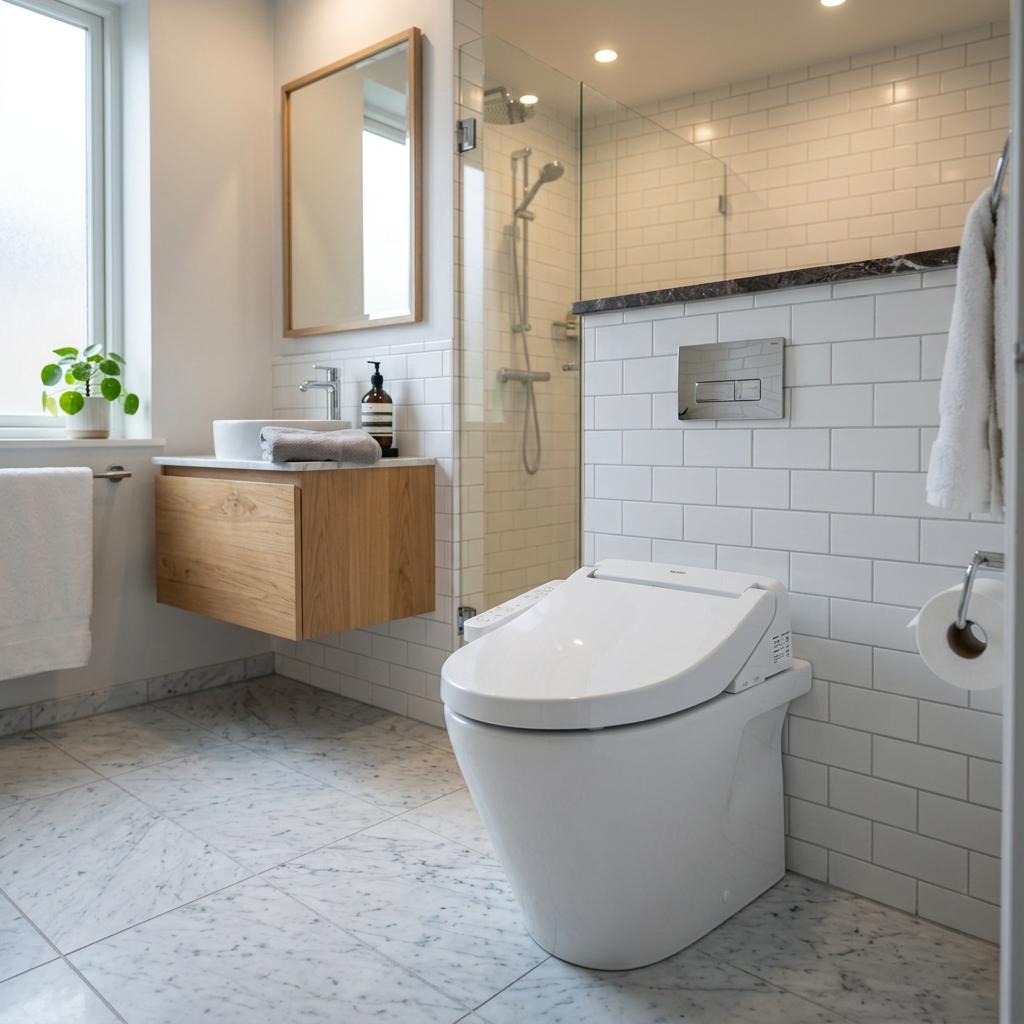
Bidets have gone from European luxury to North American must-have in just a few years. If you're considering adding a bidet to your Vancouver home, you're joining millions of homeowners who've discovered this simple upgrade delivers better hygiene, significant environmental savings, and surprising plumbing benefits.
But before you order one online, there are some important plumbing considerations — especially if you want anything beyond the most basic attachment. This guide covers everything you need to know about bidet installation, from the simplest $50 seat attachment to a full standalone bidet with dedicated plumbing.
Why Install a Bidet?
The bidet boom isn't just a trend — there are compelling practical reasons to add one to your home:
Hygiene and Health
Water cleans more effectively than paper. Medical professionals recommend bidets for people with hemorrhoids, IBD, post-surgical recovery, mobility limitations, and skin sensitivities. For families with young children, bidets make bathroom independence easier and cleaner.
Environmental Impact
The average Canadian uses about 100 rolls of toilet paper per year. A bidet reduces toilet paper consumption by 75% or more. When you factor in the water, energy, and chemicals used to manufacture toilet paper, a bidet is significantly more eco-friendly — something that matters to many environmentally conscious Vancouver homeowners.
Cost Savings
At current toilet paper prices ($15–$25 per 24-pack), a family of four spends $200–$400 annually on toilet paper. A bidet attachment pays for itself within months and continues saving money for years.
Plumbing Benefits
Here's something your plumber will appreciate: bidets dramatically reduce the amount of toilet paper entering your plumbing system. This means fewer drain clogs, less strain on your sewer line, and reduced risk of septic system issues. For older North Vancouver homes with aging cast iron drain pipes, this can be a meaningful benefit.
Types of Bidets: Which Is Right for You?
1. Bidet Seat Attachments (Non-Electric)
These simple devices mount between your existing toilet seat and bowl. They connect to the toilet's water supply valve with a T-adapter and provide a basic cold-water spray controlled by a knob or lever. Price: $30–$100.
Pros: Cheapest option, easy DIY install, no electricity needed.
Cons: Cold water only, basic features, plastic construction may feel flimsy.
2. Electric Bidet Seats
These replace your entire toilet seat and plug into a nearby electrical outlet. They offer heated water, heated seats, air dryers, adjustable spray pressure, oscillating nozzles, and night lights. Premium brands include TOTO Washlet, Brondell, and BioBidet. Price: $250–$1,200.
Pros: Warm water, feature-rich, comfortable, easy to use.
Cons: Require a GFCI outlet within reach, higher upfront cost, seat-specific sizing.
3. Handheld Bidet Sprayers
Essentially a small showerhead mounted beside the toilet, connected to the toilet's water supply. Popular in many cultures and increasingly common in Canadian bathrooms. Price: $25–$80.
Pros: Versatile (doubles as a cloth diaper sprayer), inexpensive, easy install.
Cons: Requires manual aim, can splash if you're not careful, cold water only.
4. Standalone Bidets
A separate porcelain fixture installed beside the toilet with its own water supply and drain. This is the traditional European-style bidet. Price: $300–$1,500 for the fixture plus $1,000–$3,000 for installation.
Pros: Dedicated fixture, hot and cold water, elegant design.
Cons: Requires floor space, new plumbing rough-in, highest cost, rarely worth it for most homes.
5. Bidet-Toilet Combos
All-in-one units that integrate bidet functionality into the toilet itself. Brands like TOTO Neorest and Kohler Veil lead this category. Price: $2,000–$8,000+.
Pros: Sleek, all-in-one design, premium features, space-efficient.
Cons: Very expensive, requires electrical, complex if repairs are needed.
Plumbing Requirements by Bidet Type
Understanding the plumbing needs for each type is crucial for planning your installation:
- Seat attachment / handheld sprayer: Cold water T-adapter from existing toilet supply valve. No additional plumbing needed. Takes 15–30 minutes.
- Electric bidet seat: Same cold water T-adapter, plus a GFCI electrical outlet within 4 feet of the toilet. If no outlet exists, you'll need an electrician.
- Standalone bidet: Requires hot and cold water supply lines, a drain connection with P-trap, and adequate floor space (minimum 30" wide by 24" deep). This is a full plumbing rough-in project.
- Bidet-toilet combo: Standard toilet rough-in (12" from wall to bolt centre), cold water supply, GFCI outlet. May require upgraded water supply for adequate pressure.
For Vancouver homes, the most important thing to check is your toilet's shutoff valve condition. Many older homes in North Vancouver have original gate valves that may be corroded or difficult to turn. If your shutoff valve doesn't close fully, replacing it during bidet installation is a smart move to prevent future emergency situations.
Bidet Installation Cost Breakdown
Total Cost by Type (Product + Installation)
- Non-electric seat attachment (DIY) $30 – $100
- Handheld sprayer (DIY) $25 – $80
- Electric bidet seat (pro install) $400 – $1,500
- Standalone bidet (pro install) $1,500 – $4,000
- Bidet-toilet combo (pro install) $2,500 – $9,000
Professional installation labour for a bidet seat or sprayer typically runs $150–$300, which includes verifying the shutoff valve, installing the T-adapter, connecting the bidet, and testing for leaks. If an electrical outlet is needed, expect an additional $300–$600 for a licensed electrician.
DIY vs. Professional Installation
DIY is perfectly fine for: Non-electric bidet seat attachments and handheld sprayers, provided your shutoff valve is in good working condition and you're comfortable using basic tools (adjustable wrench, Teflon tape).
Hire a professional when:
- You need a new GFCI outlet installed (this must be done by a licensed electrician)
- Your toilet shutoff valve is old, corroded, or doesn't shut off completely
- You're installing a standalone bidet requiring new water and drain lines
- You want the peace of mind that comes with a warranted installation
- Your home has polybutylene (grey) pipes, which require special fittings
At Lord Mechanical, we install all types of bidets and can handle the plumbing and coordinate electrical work in a single visit. Whether you've already purchased your bidet or need guidance choosing the right model, our residential plumbing team is happy to help.
Step-by-Step: Installing a Bidet Seat Attachment
For handy homeowners installing a basic non-electric bidet attachment, here's the process:
Shut Off Water & Flush
Turn the shutoff valve clockwise to close it completely. Flush the toilet to empty the tank. Place a towel on the floor to catch any residual water.
Disconnect Supply Hose
Using an adjustable wrench, disconnect the water supply hose from the bottom of the toilet tank. Have a small bucket ready — some water will drain out.
Install T-Adapter
Attach the T-adapter (included with most bidet kits) to the toilet tank inlet. Use Teflon tape on all threaded connections. Reconnect the supply hose to one port of the T-adapter.
Mount the Bidet Plate
Remove your existing toilet seat. Place the bidet mounting plate on the toilet bowl, aligning it with the bolt holes. Reinstall the toilet seat on top of the mounting plate.
Connect & Test
Connect the bidet hose from the T-adapter to the bidet attachment. Turn the water back on slowly. Check every connection for leaks. Test the bidet spray function.
Pro tip: If you notice any dripping at connections after 24 hours, tighten the fitting an additional quarter-turn. If the shutoff valve drips when reopened, it likely needs replacement — call a licensed plumber rather than forcing it.
Common Bidet Installation Mistakes
- Not using Teflon tape: Every threaded connection needs 3–4 wraps of Teflon tape to prevent leaks. This is the #1 cause of post-installation drips.
- Over-tightening connections: Plastic fittings (common in bidet kits) crack easily. Hand-tight plus a quarter-turn with a wrench is usually sufficient.
- Ignoring a bad shutoff valve: If the shutoff valve doesn't close fully, you'll have water flowing while you're disconnecting hoses. This is a recipe for a flooded bathroom.
- Wrong toilet compatibility: Not all bidet seats fit all toilets. Measure your toilet bowl (round vs. elongated) and check clearances before purchasing.
- Skipping the GFCI outlet: Electric bidet seats near water require a GFCI (Ground Fault Circuit Interrupter) outlet. Using a regular outlet or an extension cord is a serious safety hazard and a code violation.
If you're planning a bathroom renovation, adding bidet plumbing rough-in and a GFCI outlet during the renovation is much cheaper than retrofitting later. Talk to your contractor about including it in the project scope.