

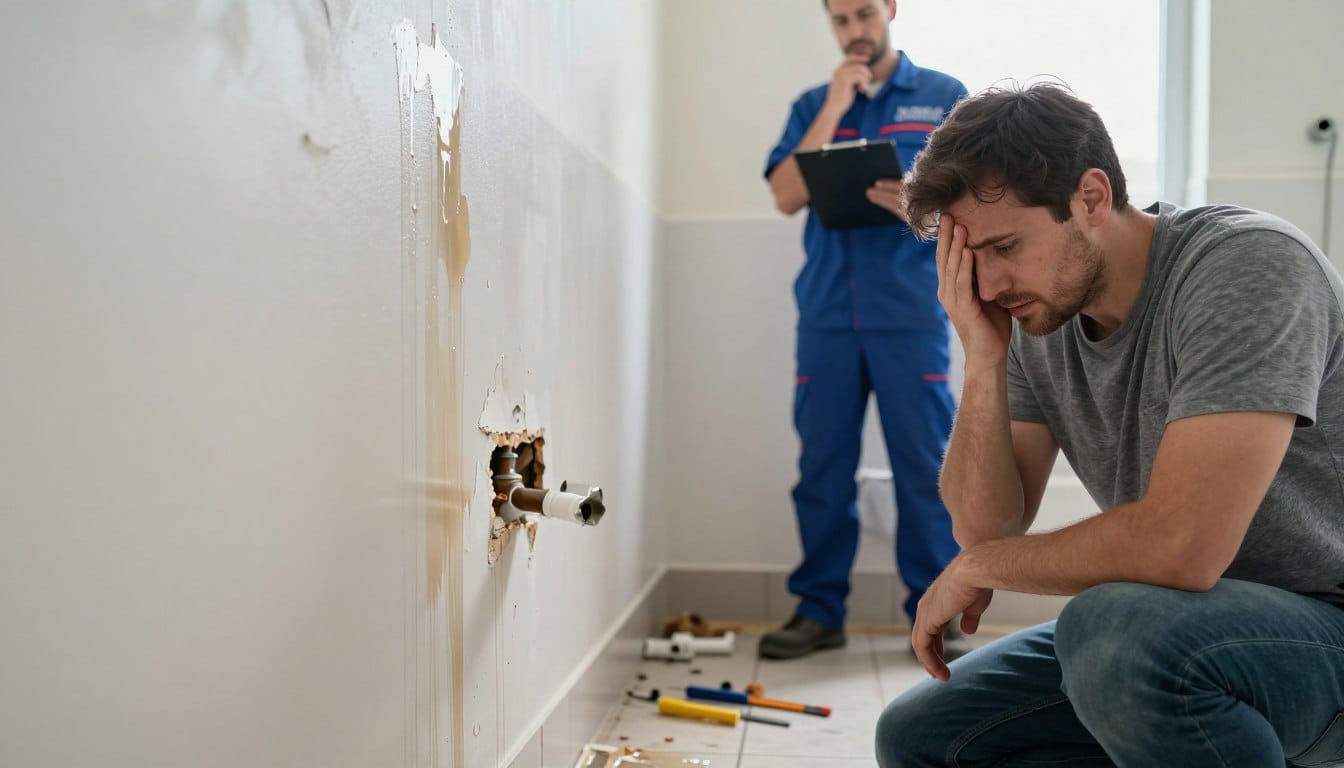
Surprising fact: water is the leading cause of property loss in Canada, and sudden leaks cause the majority of urgent claims.
We explain plumbing insurance damage in plain Canadian English so you can judge if your situation sounds claimable or likely excluded. We keep terms simple and show the few facts that most homeowners need first.
Many people assume their home insurance covers everything. In reality, outcomes depend on your policy wording, endorsements and eligibility rules. Sudden, accidental events—like a burst pipe or a hot water tank leak—are often included in base coverage, subject to exclusions.
For homeowners in North Vancouver and West Vancouver, quick action matters. If you have active water or urgent plumbing issues, call Lord Mechanical LTD at 604 670 3737 so we can stabilise the situation and document repairs properly.
Key Takeaways
- Water is the top cause of property claims in Canada; sudden incidents are more likely covered.
- Read your policy closely—wording and endorsements decide outcomes.
- Coverage usually splits between the house structure and your contents.
- Act quickly to limit loss; contacting a licensed tradesperson early helps your claim.
- For urgent help in North or West Vancouver, call Lord Mechanical LTD at 604 670 3737.
How home insurance typically handles water damage in Canada
Start by knowing how a typical home policy splits responsibility after water enters the house.
Dwelling covers the structure: walls, framing, flooring and fixed systems. That is the money used to repair the home itself.
Contents or personal property pays to replace your furniture, electronics and other belongings. Replacement limits and depreciation rules vary by plan.

Why wording and eligibility matter
Two similar leaks can have different outcomes because of policy clauses or endorsements. Exclusions for gradual wear, seepage or vacancy can deny a claim even when the cause looks sudden.
Loss of use (additional living expenses) can help if you must move out temporarily. Keep receipts for hotel, meals and storage to support reimbursement.
- Check limits, deductibles and any water endorsements.
- Look for sewer, flood or vacancy clauses.
- Document cause, location and scope — we can help with that.
If you’re in North or West Vancouver, call Lord Mechanical LTD at 604 670 3737 for fast documentation and practical advice.
What “plumbing insurance damage” usually means to insurers
Insurers focus on how the event unfolded, not just the wet patch you see. We explain how carriers treat a sudden accidental event versus long-term wear.
Sudden failures versus gradual wear
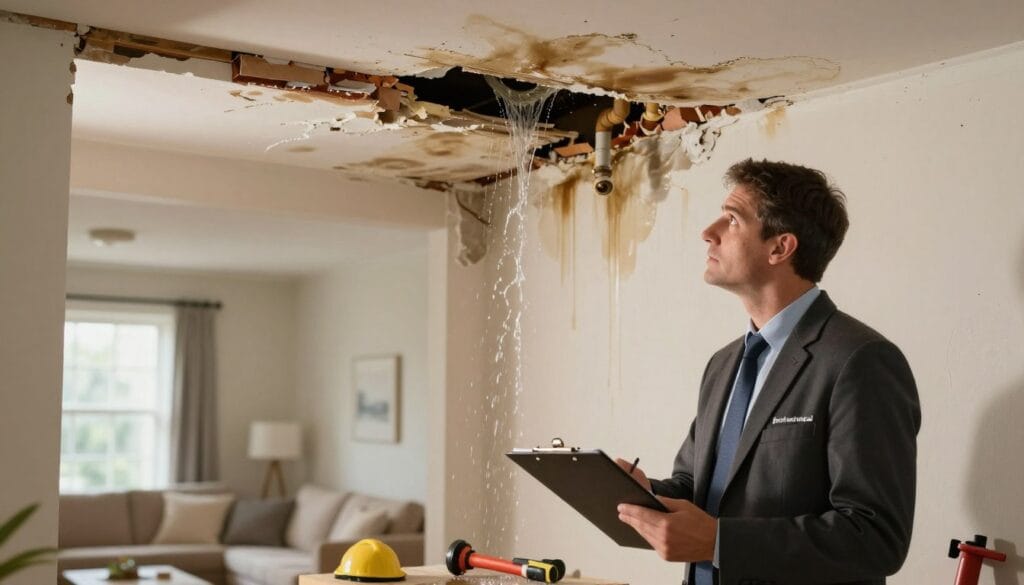
Sudden accidental events — a system rupture or a hot water tank leak — often meet policy wording such as “escape of water” or “rupture”. These terms help an adjuster decide if the incident is claimable.
By contrast, slow seepage, corrosion or lack of upkeep usually looks like maintenance. That outcome often means the insurer will not pay for repairs tied to wear-and-tear.
| Event type | How adjuster judges it | Typical outcome |
|---|---|---|
| Abrupt pipe rupture | Fresh break, sudden water flow | Often covered for resulting water damage |
| Long-term leak | Staining, rot, mould buildup | Often excluded as maintenance |
| Appliance failure | Documented sudden failure or supply line burst | May be covered; proof helps |
- An adjuster reads timelines — stains, corrosion, and mould are red flags for gradual issues.
- A licensed plumber’s report can confirm if a pipe failed abruptly or from neglect.
- Act fast in coastal Vancouver; humidity speeds secondary water effects and supports your claim that you mitigated loss.
Questions? Call Lord Mechanical LTD at 604 670 3737 for fast assessment and documentation to support a claim or repair decision.
Plumbing damage that’s often covered by insurance coverage
Sudden failures inside your water system often trigger coverage when they cause immediate loss to finished areas.
Burst or frozen pipes and system ruptures
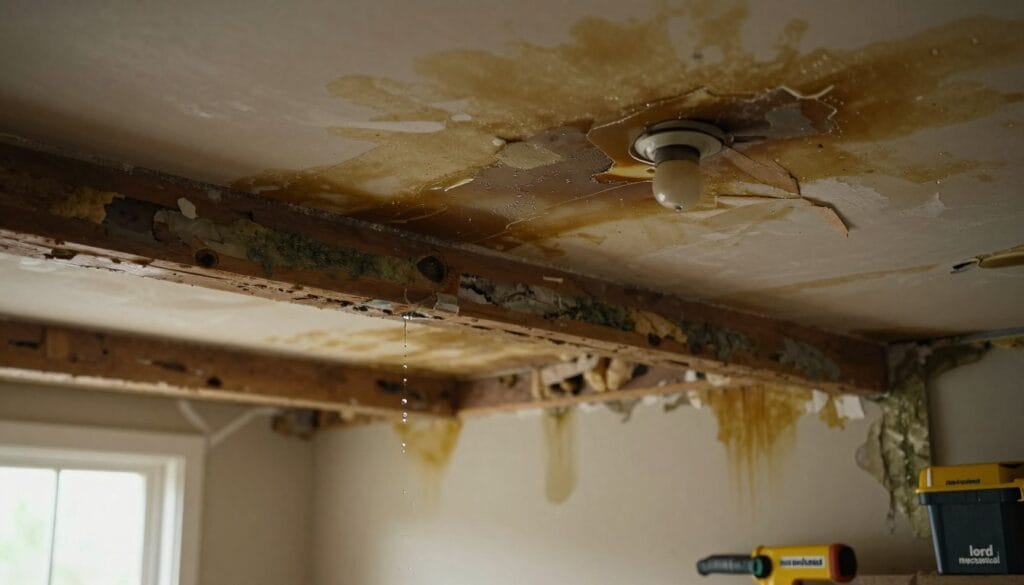
Burst pipes and abrupt system ruptures usually lead to visible water flow. That makes it easier to show the event was sudden and accidental.
Shut the supply off, photograph the break, and get a licensed report. Prompt action helps prove the incident and may increase the chance the resulting repairs are covered.
Water heater and hot water tank failures
Leaks from a water heater or tank can flood floors and walls quickly. Insurers check age and maintenance to judge if the failure was sudden.
We recommend saving service records and photos to support your claim for repair costs to finished areas.
Appliance hose failures and overflow events
Dishwasher or washing machine hose bursts often count as an escape of water. Carriers usually pay for cleanup and restoration, even if the appliance itself isn’t fully replaced.
Clogged drains, overflowing toilets and sump pump failure
Overflow incidents that flood living space are often claimable if the event was sudden. The water source (clean versus contaminated) affects cleanup and cost.
Sump pump failure that floods a basement can fall under standard coverage or require a sewer backup endorsement depending on origin.
What a typical claim file includes — one example
- Time-stamped photos of the event and wet areas.
- Plumber or technician invoice showing sudden failure.
- Drying logs, restoration invoices, and receipts for interim living expenses if needed.
Note: While the plumbing component might not always be paid in full, repairs to drywall, flooring and finishes are often the larger insured loss. Call Lord Mechanical LTD at 604 670 3737 for rapid assessment in North and West Vancouver.
When plumbing issues are not covered by a homeowners insurance policy
Not every wet patch leads to a payable claim; many losses are excluded by common policy clauses. We outline the usual denial triggers so you can spot red flags before assuming coverage.
Neglect and long-term seepage. Carriers treat gradual wear as maintenance. If staining, rot or slow leaks show long timelines, your claim is often declined.
Overland flood and missing endorsements. Water that comes from outside—surface runoff or spring melt—usually needs flood insurance or a specific flood endorsement to be eligible.
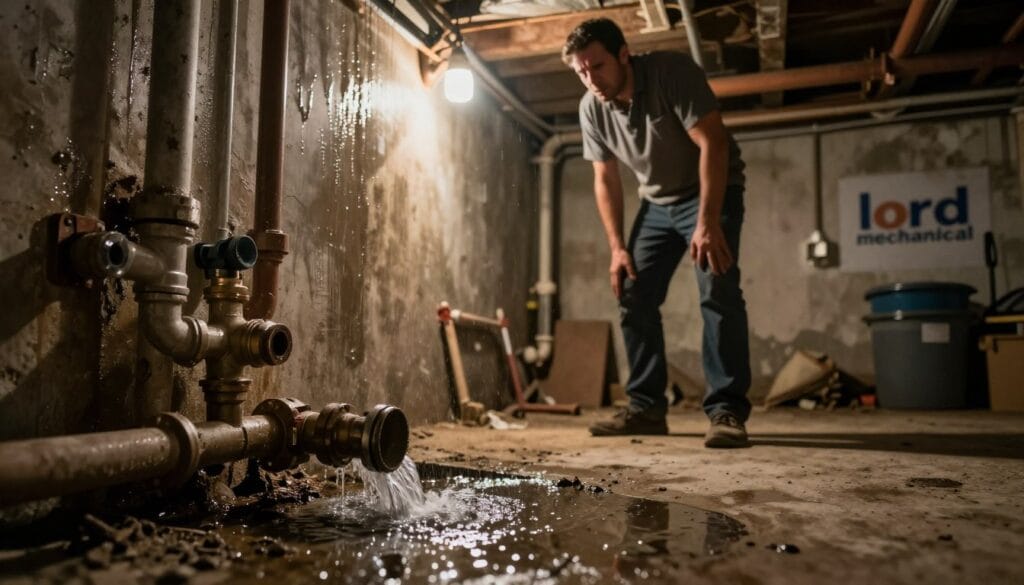
Mould limits and caps. Even when an initial event is covered, mould remediation can be restricted or excluded. Quick drying and records matter.
Cosmetic-only loss. Stains or minor warping that don’t affect system function may not meet the policy’s definition of an insured physical loss.
Renovations and vacancy. Losses tied to recent work or when a house is unoccupied can be denied if you didn’t notify your insurer or meet vacancy conditions.
- Check your policy wording and endorsements carefully.
- Document maintenance records and service history.
- Call Lord Mechanical LTD at 604 670 3737 for a fast assessment to help support a claim or plan repairs in North and West Vancouver.
Add-on insurance coverage that can protect against sewer backup and flood-related damage
Add-on endorsements fill gaps in a standard policy by extending cover to events that often start outside your walls.
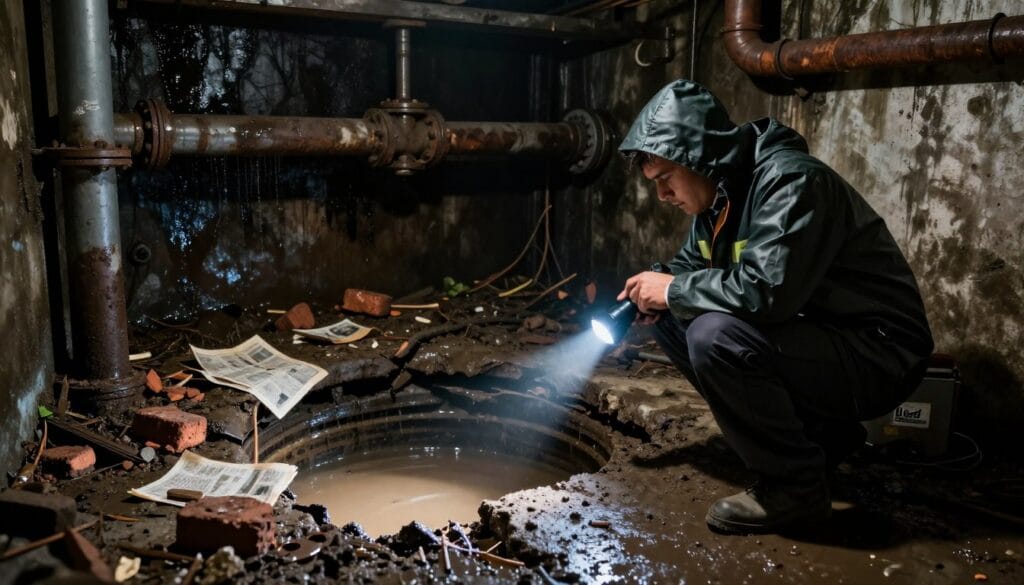
Sewer backup coverage and what it can help pay for
Sewer backup endorsements typically cover cleanup, removal of contaminated materials, and restoration of finished areas after sewage or sump overflow enters living space.
This coverage usually helps with restoration costs, not the cost to replace an ageing sewer line itself. Check limits and whether the endorsement includes temporary living expenses.
Overland water and extended water coverage for heavy rain and snowmelt
Extended water or overland cover protects against surface water entering through foundation walls, floors or openings during heavy rain or rapid snowmelt.
Standard policies often exclude surface runoff and ground water; an endorsement can make those events eligible for restoration payments.
Ice damming and roof drain back-up coverage in winter conditions
Ice dam endorsements respond when ice forces water under shingles or when roof drains back up and flood finished space.
Read the wording: some policies cover the resulting water in living areas but exclude pre-existing roof defects or lack of maintenance.
- Ask your broker about limits, deductibles and eligibility for each endorsement.
- Consider area risk — North Vancouver and West Vancouver microclimates and slope drainage affect your need for add-ons.
Questions about your policy or coverage options? Call Lord Mechanical LTD at 6046703737 for local advice and rapid assessment.
What to do after a leak or backup to support your insurance claim and reduce repair cost
An immediate, organised response protects your house and strengthens any claim. We give a short plan that prioritises safety, limits loss, and creates a clean file for an insurer review.
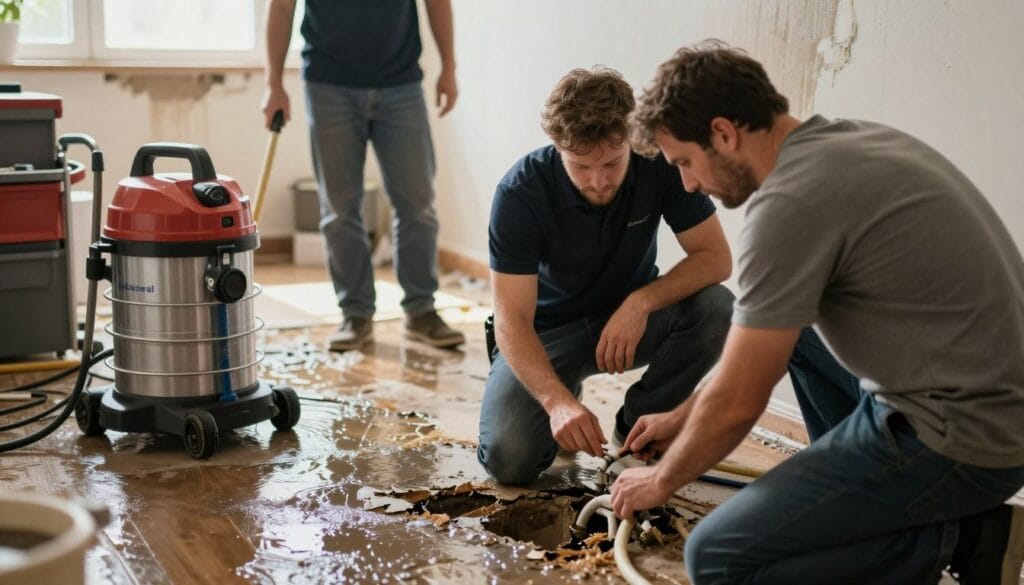
Stop the flow and prevent hazards
Shut the main or local valve to stop water. Isolate the affected fixture when possible.
If water touches electrical outlets, switch power off at the panel or call a qualified electrician first.
Document thoroughly for your claim
Take time-stamped wide shots, close-ups of wet materials, and photos of any soaked belongings.
List rooms affected, note when the leak started, and keep receipts for emergency measures.
Dry out and mitigate
Remove standing water, run fans and dehumidifiers, and remove wet rugs or cushions.
Prompt drying reduces mould risk and lowers expected repair cost.
Professional repairs and paperwork
Obtain a licensed report stating the source, whether the event was sudden, and the pipe or system repaired.
Keep invoices, moisture readings, and rental receipts to show cover cost and the steps taken.
| Step | What to record | Why it helps your claim |
|---|---|---|
| Day 0: Shutoff | Time-stamped photo of valve and affected area | Shows immediate action and limits ongoing loss |
| Day 0–1: Document | Room list, wide/close photos, damaged items list | Links cause to observed water and supports a sudden-event claim |
| Day 1: Mitigate | Equipment logs, rental receipts, drying photos | Demonstrates reasonable steps to reduce repair cost |
Example: shut off supply, photograph, call us same day, run drying gear next day. That sequence strengthens the narrative of a sudden leak rather than a slow, long-term issue.
Need help in North or West Vancouver? Call Lord Mechanical LTD at 6046703737 for fast assessment, compliant repairs, and clear paperwork to support your claim.
Conclusion
We advise you to act swiftly. A quick, factual response after a leak often makes the difference between a paid claim and an out-of-pocket repair.
Home insurance most reliably answers for sudden, accidental water events. Slow wear, poor maintenance and gradual issues usually fall outside standard coverage.
Remember the typical claimable types: burst pipes, appliance failures and some water heater leaks. Basement floods and sewer backup often need specific endorsements or flood insurance to be covered.
Confirm your policy wording and limits before a crisis. Stop the flow, document the scene, and start drying to reduce loss and help your case.
Need help in North Vancouver or West Vancouver? Call Lord Mechanical LTD at 604 670 3737 for fast on-site assessment, clear paperwork, and practical next steps.