

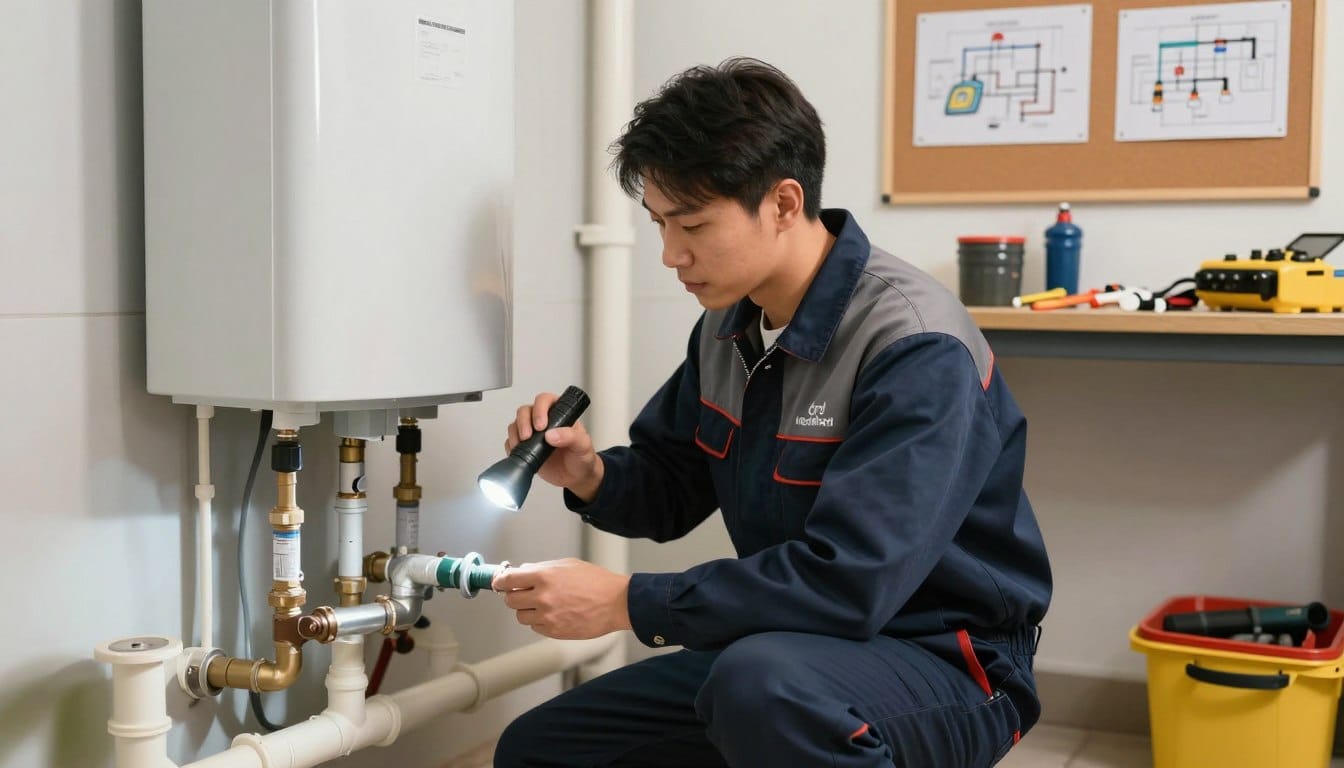
Surprising fact: nearly one in five Canadian homes reports undetected water damage each year, and many starts as a small leak that grows over time.
We know how seasonal freeze/thaw and aging systems strain household pipes in North Vancouver and West Vancouver.
Regular checks catch small leaks before they become floods, stop standing moisture that leads to mold, and cut the risk of sudden sewer backups. These simple steps save money and extend system life.
What we aim to do in this article is clear. You’ll learn what gets checked, what you can spot yourself, and when it’s smart to call a pro. For a prompt assessment, call us at 604 670 3737.
Lord Mechanical LTD works with homeowners and businesses to give practical guidance first, then a straightforward next step if expert service is needed.
Key Takeaways
- Small, scheduled checks often cost far less than emergency repairs.
- Early detection prevents mold, water damage, and disruptions.
- We focus on clear, documented condition checks for peace of mind.
- You can spot many warning signs yourself; we’ll show what to watch for.
- For expert help in North or West Vancouver, call 604 670 3737.
What a plumbing inspection covers in a typical home plumbing system
A focused review of your home’s water routes reveals wear points long before they cause visible damage.
We break the house system into clear parts so you know what we check. Core components include supply and waste lines, shut-off valves, fixtures and the water heater.
Core components plumbers assess
We test pipes for corrosion, leaks and pressure loss. Drains and vents are checked for slow flow or backups. Fixtures — faucets, toilets and tubs — are inspected for drips and worn seals.
Hidden trouble spots
Under-sink connections, braided appliance supply lines and exterior hose bibs often hide problems. These smaller connections can fail and cause major damage if ignored.
Whole-house vs standard home check
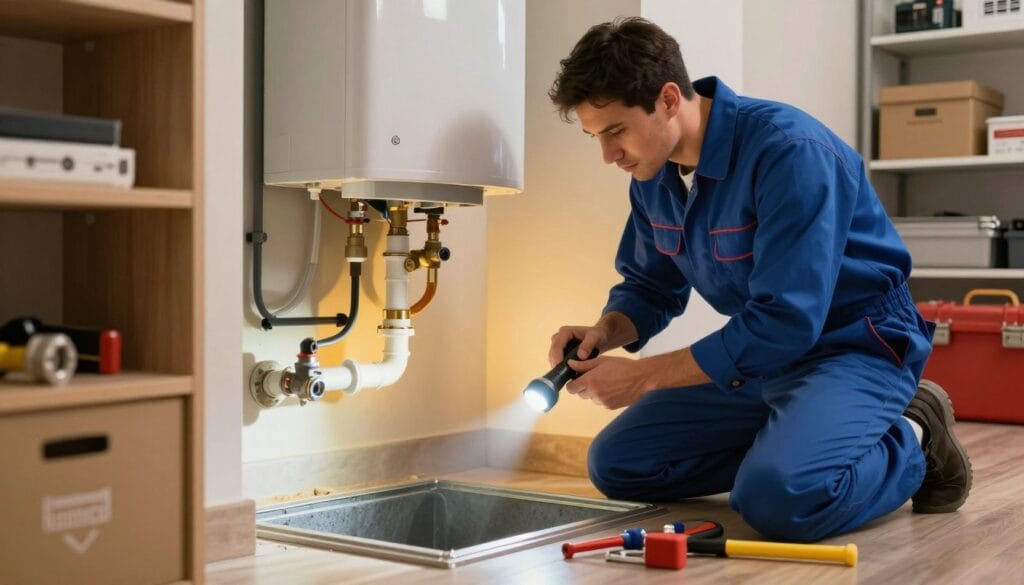
A whole-house review is deeper than a standard home check. We use pressure testers and pipe cameras to find issues behind walls and under floors that a basic report may miss.
| Component | What we look for | Typical tool used |
|---|---|---|
| Pipes | Corrosion, leaks, weak joints | Pressure tester |
| Drains | Slow flow, odors, blockages | Drain camera |
| Fixtures | Drips, worn seals, inefficient parts | Visual and flow tests |
| Water heater | Rust, pooling, sediment build-up | Thermal check & visual |
| Shut-off valves | Operation, leaks, accessibility | Manual exercise and leak test |
If you want a complete assessment in North Vancouver or West Vancouver, book by phone at 604 670 3737.
Plumbing inspection benefits for Canadian homeowners
Catching small faults early prevents sudden failures and keeps water damage from taking hold.
We find issues early so minor leaks, partial blockages and early corrosion do not escalate. That lowers the odds of sudden failures and costly repairs.
Recurring clogs often point to drainage buildup, vent problems or compromised pipes. We explain root causes so you know why a repair is recommended.
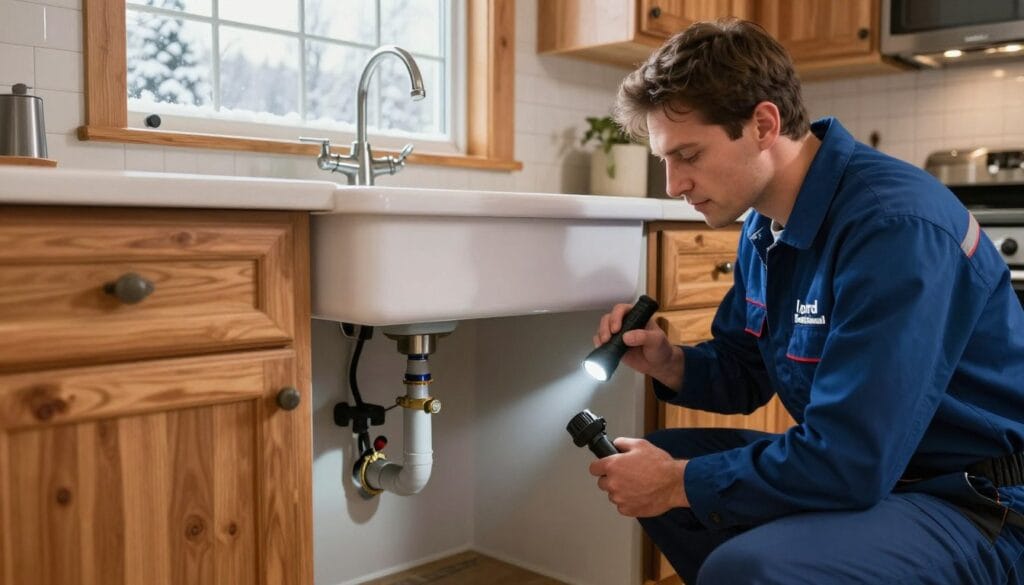
Stopping small leaks prevents damage to walls, floors and ceilings. It also reduces health and safety risks from mould and mildew that thrive in damp spaces.
Inspections reveal water waste, outdated fixtures and insulation gaps that raise bills. Proactive maintenance, including water heater flushing, extends system life.
- What you get: documented condition notes and clear next steps — monitor, repair, or replace.
- Why it matters: winter freezes and older neighbourhood piping can hide potential problems.
For a local assessment in North or West Vancouver, call us at 604 670 3737 for clear advice and a practical plan.
Early warning signs of plumbing problems you can spot between inspections
Small changes in sound or flow often signal a developing problem long before visible damage appears. We give a short watch list you can use between inspections so you catch issues early and avoid costly repairs.
Sounds and flow changes to notice
Listen: gurgling drains can mean a developing blockage or venting issue. Banging or clanging pipes often points to water-hammer or loose supports.
Watch flow: slow drainage at a sink or tub and weak pressure at a tap may show gradual clogging or hidden leaks. Note when the change happens and how long it lasts.
Visual clues and bill indicators
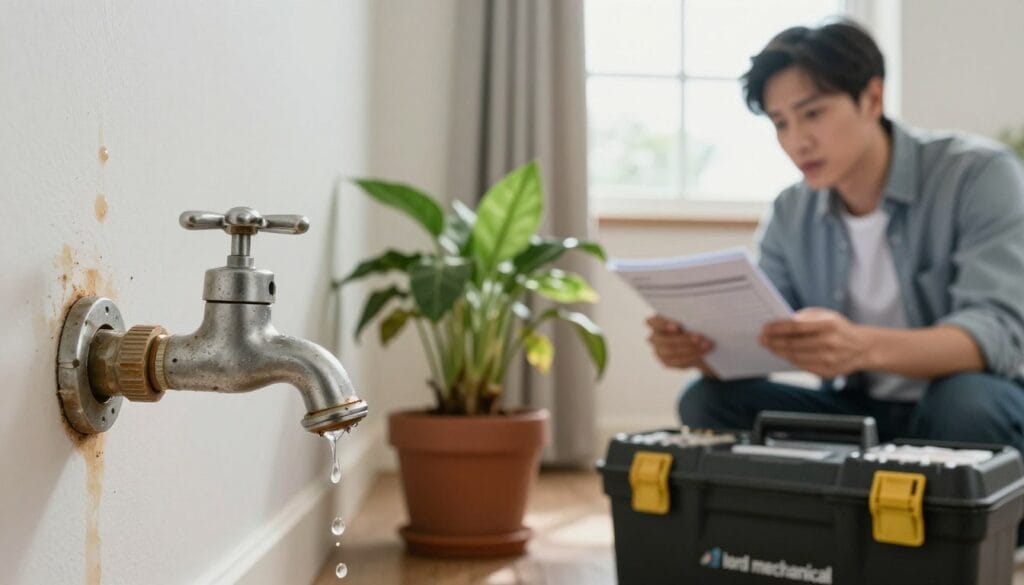
Look for stains, damp spots or rust on fittings. Pooling water near a heater or under cabinets is a direct sign of a leak.
A sudden spike in your water bill is a classic clue of hidden leaks even when everything looks dry. Track usage over time to spot anomalies.
- Quick actions: shut off local valves, avoid using a problem drain, and clear nearby areas to prevent damage.
- What not to do: don’t ignore recurring symptoms or rely repeatedly on chemical drain fixes.
- When to escalate: recurring backups, repeated dampness, or any active leak needs professional attention.
Winter freeze cycles can speed deterioration, so act fast. If you see these signs in North Vancouver or West Vancouver, call us at 604 670 3737 for a prompt assessment.
DIY checklist vs hiring a professional plumber for a plumbing inspection

We recommend starting with a few easy checks you can do in minutes. Look for visible pipe corrosion, under-sink moisture, faucet drips, toilet flapper issues and water heater pooling.
These checks help you act quickly on simple fixes. They do not replace a full assessment when the cause may be hidden.
What professionals do differently
Professionals use pressure testing, camera inspections and full drainage reviews to find unseen problems. They confirm system stability and trace partial blockages that DIY checks miss.
What a professional inspection typically includes
- Fixtures, faucets and shut-off valve checks
- Water heater visual, flushing and rust checks
- Sump pump cleaning and operation test
- Sewer-line camera review and drain performance testing
- Exterior hose faucets and gate valve verification
“A thorough report should give clear findings, documented recommendations and practical next steps — not vague cautions.”
| Task | DIY | Professional service |
|---|---|---|
| Visible corrosion & leaks | Visual check | Detailed leak tracing |
| Toilet flapper & drips | Replace or adjust | Seal and valve evaluation |
| Sewer and drains | Watch for slow flow | Camera inspection & cleaning |
| Pressure and whole-house tests | Not available | Pressure testing and system diagnostics |
When should you call an expert? After severe weather, before buying a home, or with recurring backups and repeated leaks. For a thorough, whole-house plumbing inspection by a team with local experience, call Lord Mechanical LTD at 604 670 3737 in North Vancouver or West Vancouver.
How often to schedule inspections in North Vancouver and West Vancouver
Plan routine checks around key seasons and household use so small problems never become urgent.

Seasonal priorities
Before winter, we focus on freeze protection. That means insulating exposed pipes, testing exterior valves and securing hose bibs.
After winter, we check for cold-snap damage and thaw-related leaks. These quick checks catch potential problems early.
High-use periods and household factors
Book ahead of busy times: holidays, rental turnovers or visiting guests. High flow raises strain and can reveal weak spots.
Homes with older pipes or recent renovations need more frequent attention. Frequent clogs also signal a deeper drainage issue that deserves a timely review.
Water heater care timing
We recommend flushing water heaters annually to remove sediment. Do this more often for hard-water homes or high-use units.
Signs you need an assessment: rusty water, pooling at the base, or inconsistent hot water. These often point to wear or developing leaks.
Rule of thumb: annual or seasonal check-ins for most homes; twice-yearly for older systems or after renovations. Routine maintenance lowers the chance of sudden failure and keeps long-term costs down.
| When | Focus | Who should |
|---|---|---|
| Pre-winter | Insulate pipes, test exterior valves | All homes, especially older ones |
| Post-winter | Check for freeze damage, leaks | Homes in cold-exposed areas |
| High-use periods | Assess drains, verify flow | Hosts, rentals, large families |
| Annual | Water heater flush, general tune-up | Most households |
We’ll give tailored timing based on your home and usage. To schedule services or book a time, call Lord Mechanical LTD at 604 670 3737 for help in North Vancouver and West Vancouver.
Conclusion
A short routine catch can stop a small leak from turning into a major repair cost. Regular checks reduce the chance of sudden repairs and limit water damage that eats into finishes and belongings.
Proactive inspections and timely fixes save you money over time and keep your home functioning well. They also cut mould risk by removing standing moisture early.
Between visits, listen for odd sounds, watch for stains or damp spots, and treat a sudden spike in your water bill as a warning worth investigating.
DIY checks are useful for quick problems, but a professional plumber brings tools and expertise for hidden faults and accurate recommendations.
For an expert plan tailored to North Vancouver or West Vancouver homes, call Lord Mechanical LTD at 604 670 3737. Documented findings and clear next steps give you real peace of mind and help avoid last‑minute emergencies.