


Did you know nearly one in five renovation inspections flags simple installation errors that lead to costly rework?
We open with that reality because understanding rules early saves time and money. In plain terms, we define what “plumbing codes in British Columbia” mean for your Vancouver-area home or business. You’ll learn what you can tackle safely, what usually needs a licensed pro, and where inspections fit in.
Our guide balances clear summaries with the technical intent behind the provincial and national model codes. We explain the BC plumbing code, how it ties into building frameworks, and what changed in 2024 and for 2025 carve-outs.
We position Lord Mechanical LTD as a trusted advisor most active in North Vancouver and West Vancouver. If you want project-specific guidance, call us at 604 670 3737 for code-aware planning and troubleshooting.
Key Takeaways
- We explain practical rules for DIY versus licensed work.
- The BC code links to national model standards and code canada guidance.
- 2024 and 2025 changes may affect renovations and new builds.
- Following code alignment reduces health risks and costly rework.
- For North or West Vancouver projects, call Lord Mechanical LTD at 604 670 3737.
What the BC Plumbing Code is and why it matters in Canada
Clear technical rules protect health, conserve water, and keep buildings functioning as intended.
We explain the BC plumbing code as B.C.’s adopted and adapted framework. It is largely based on the national plumbing code and includes province-specific changes. These rules set the minimum requirements for design, installation, alteration and repair of plumbing systems.
The code links directly to the broader building code. Pipes, vents and fixtures pass through walls and fire separations, so layout choices affect structural and fire safety. Inspectors check documents and on-site work to confirm compliance.

How the rules protect health, safety and water use
Standards ensure safe potable delivery, reliable drainage and correct venting. That reduces the risk of sewer gas and contamination.
Water efficiency is built into fixture limits and design expectations. That helps lower operating costs for homes and businesses.
| Aspect | National model | BC specifics / inspection focus |
|---|---|---|
| Basis | Consensus technical standards | Adopted with provincial amendments |
| Focus | Minimum performance and materials | Local permits, qualifications, and on-site checks |
| Outcome | Health and efficiency goals | Practical enforcement and documentation |
We set the stage for the rest of this guide by showing how national model language shapes local expectations. For project-specific guidance in North or West Vancouver, call Lord Mechanical LTD at 604 670 3737.
Where the rules come from: BC Building Code 2024, Book I and Book II
The BC Building Code 2024 bundles general provisions and technical parts that shape permit reviews and on-site approvals.
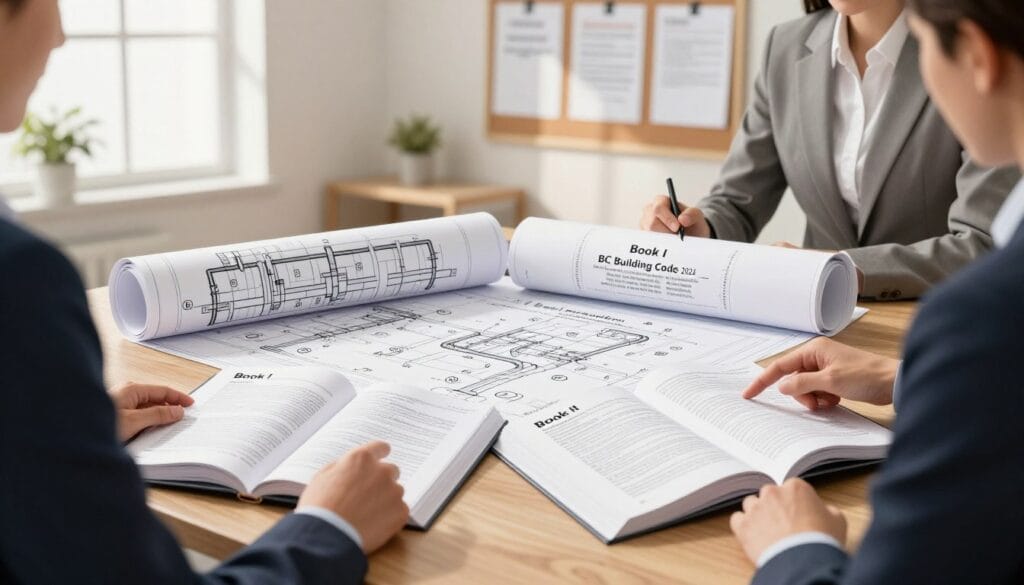
What Book I covers and why it matters
Book I (General) sets broad requirements that affect layout, penetrations and fire separations.
Those building-wide rules influence routing decisions and coordination with other trades. Inspectors check documentation against Book I when they evaluate penetrations and access paths.
What Book II covers for installation and design
Book II (Plumbing Systems) is the technical heart for system design, materials and installation standards.
Knowing which part applies helps you interpret fixture clearances, venting, and drain sizing under the correct standards.
Effective dates and permit rules
The BC codes came into effect March 8, 2024. Adaptable dwelling and earthquake changes took effect March 10, 2025.
The edition that governs a project is tied to the date you applied for the building permit, not when work starts. That rule matters for phased renovations, tenant improvements and additions.
If you need code-aware planning in North or West Vancouver, call Lord Mechanical LTD at 604 670 3737.
Scope of the code: technical requirements for design, installation, alteration, and repair
Understanding the scope of technical rules helps you spot when a simple repair becomes a regulated alteration.
We explain the part of the code that covers design, installation, alteration and repair of plumbing systems. This scope sets the minimum requirements and standards you must meet for safe, reliable work.
Minimum standards for layout, venting and drainage
Minimum layout standards cover slopes, pipe routing and vent placement to protect trap seals and reduce odours.
Proper venting prevents siphoning and keeps the entire system working, not just single fixtures.
Water usage and efficiency requirements
Water-use rules limit fixtures and influence material selection. Choosing efficient fixtures helps compliance and lowers bills.
Who can perform work: qualification requirements
Certain alterations require licensed trades and documented designs. Hiring qualified professionals is often the fastest way to pass inspection and protect your building.
- Risk checklist: major drain relocations, new branches, or fixture count changes usually need permits.
- Minor repairs that keep existing routes and fittings often stay as repairs.
- When uncertain, get a quick consult to avoid rework.
Need project help in North or West Vancouver? Call Lord Mechanical LTD at 604 670 3737 for code-aware planning.
plumbing codes british columbia in 2024: key updates and what they mean
Many updates in 2024 are about clearer language and more flexible, safer solutions for real projects.
What the 50+ updates mean: these are not just wording tweaks. They change accepted methods, clarify requirements, and align local practice with the national plumbing code and national model codes used across Canada.
Outcomes you’ll notice include better safety, healthier indoor environments, improved water efficiency, and reduced risk of water and sewage damage. These updates also give more choices in designs and materials, so builders and homeowners can pick compliant options that fit modern projects.
For Metro Vancouver projects this can lower job complexity and speed approvals. Greater Code Canada alignment helps if you manage properties across jurisdictions or use national suppliers.
Questions to ask your designer or contractor:
- Which 2024 updates affect our fixture and material choices?
- How does your solution align with the building code and national plumbing code?
- Can this option reduce inspection time or rework risk?

“These updates aim to improve safety, water efficiency and provide modern, practical options for builders and homeowners.”
Need help interpreting the changes for a North or West Vancouver project? Call Lord Mechanical LTD at 604 670 3737.
Unique to B.C. changes: fixtures, water use, and non-potable systems
This edition clarifies which fixtures meet water limits and when reclaimed supplies are allowed.
Dual-flush toilets: B.C. kept the 6.0 L and 4.1 L dual-flush volumes as compliant for water-use limits. Choose fixtures certified to those volumes to avoid surprises at inspection and to meet local standards.
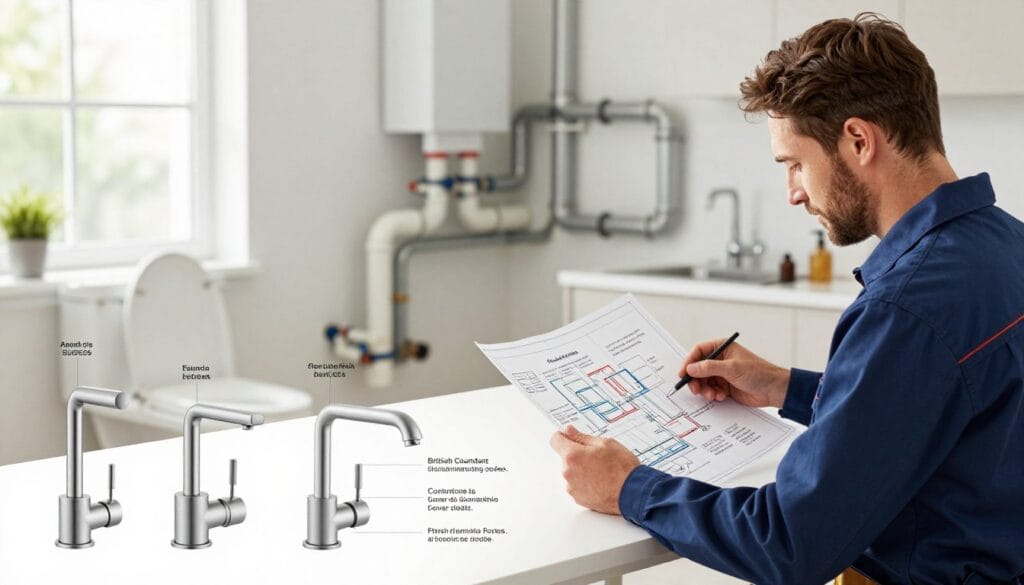
Non-potable systems now permitted
Updates aligned with the 2020 national plumbing code mean special permissions are no longer required for on-site non-potable systems. That change eases use of reclaimed water for select applications.
Where they may be used and risk controls
- Permitted uses: toilets, urinals, and trap seal primers.
- Design controls: clear labelling, backflow prevention, and approved separation methods.
- Inspection evidence: design drawings, material specs, and cross-connection test results.
| Topic | What changed | What you must show |
|---|---|---|
| Dual-flush volumes | 6.0 L / 4.1 L retained | Manufacturer spec sheet |
| Non-potable use | No special permission needed | Design and backflow plans |
| Inspections | Aligned with national plumbing | Labelling and test reports |
“Permitting non-potable systems simplifies water reuse while keeping safety controls front and centre.”
Should you consider this? For many Vancouver-area buildings, reclaimed systems cut lifecycle costs. Weigh complexity and maintenance first. Call Lord Mechanical LTD at 6046703737 for project advice.
Compliance in real projects: permits, materials, and professional responsibilities
We map a practical compliance path so your project flows through permitting and inspections with fewer surprises.
How to approach permits and documentation
Start with complete drawings, fixture specs and clear site notes. That reduces back-and-forth with the Authority Having Jurisdiction.
Include product listings, slope diagrams and labelled layouts to show how the proposal meets the building code.
Why CSA-certified materials matter
Certified products give inspectors traceability and reduce the chance of rework. They also support durability and warranty claims.
When to hire licensed trades and designers
- Hire a licensed tradesperson for any major drain or fixture relocation and for final sign-offs.
- Bring a qualified designer or engineer for multi-unit, commercial, or complex retrofits.
Maintenance and monitoring
Plan for routine checks after installation. Ongoing monitoring keeps your system compliant and prevents costly failures.

“Thorough documentation and certified products make inspections predictable and projects resilient.”
Need local help? For North Vancouver or West Vancouver projects, call Lord Mechanical LTD at 604 670 3737 for code-aware planning and execution.
Common challenges with BC plumbing code compliance and how to avoid delays
Small renovations often reveal hidden systems that change a simple job into a multi-discipline project.
When tight existing conditions meet legacy piping and other trades, design work gets complex fast. That raises the chance of late-stage revisions and permit setbacks.

Complex design requirements and coordinating with engineers
We recommend early coordination with engineers and designers. Clear drawings and a simple scope cut review time.
Tip: lock-in routing and fixture locations before submitting permits to avoid revision cycles.
Environmental impact: preventing leaks, overflows and contamination
Code-aligned design reduces leak and overflow risk. Backflow protection, proper separation and labelled systems protect occupants and local watersheds.
Plan for maintenance so systems stay safe long after installation.
Local realities in Metro Vancouver and growing communities like Coquitlam
Higher density and ageing infrastructure make scheduling and approvals sensitive to errors. Expect heavier review in fast-growing municipalities.
Consistent standards across jurisdictions and adherence to code canada guidance help projects move smoothly.
- Complete drawings, specs and CSA-listed products before permit application.
- Confirm engineer sign-offs for any structural or major reroute work.
- Label non-potable systems and include backflow test plans.
- Use matched materials and avoid unlisted products that trigger rework.
“Clear documentation and early coordination prevent costly delays and protect long-term safety.”
Avoid delays checklist: scope locked, drawings complete, materials listed, engineer approvals, maintenance plan, and a site contact for inspections.
Need code-aware help in North or West Vancouver? Call Lord Mechanical LTD at 6046703737.
Conclusion
Knowing which rules apply lets you avoid rework and protect building value.
We recap: the plumbing code sets minimum standards to protect health, safety and property whenever you alter an installation.
Book I and Book II work together inside the building code. Identifying which part applies helps you plan drawings, access for inspection, and material choices that pass the first review.
The 2024 and 2025 effective dates are tied to your permit application date, so confirm the governing edition early. Alignment with the national plumbing code and national model codes under code canada improves consistency in products and inspections.
Next steps: lock the scope, document the plan, use compliant materials, and hire qualified pros. Call Lord Mechanical LTD at 604 670 3737 for code-aware guidance in North Vancouver and West Vancouver.