

Surprising fact: a small leak left unchecked can cost a typical home thousands in water damage within a year.
We write this short, practical guide so you can act fast and make safe choices before a small plumbing issue becomes a major repair.
We support North Vancouver and West Vancouver homeowners with clear steps, transparent expectations, and professional repairs when DIY isn’t safe.
Call Lord Mechanical LTD at 604 670 3737 if you need help assessing a problem or to book service today.
We’ll show what you can check yourself, what information to note, and when it’s time to call a licensed, insured pro.
Look out for common local triggers: older homes, tree-heavy lots, winter cold snaps and basement moisture. These often affect plumbing reliability.
Good decisions start with safety, documentation, and choosing a licensed, insured technician who communicates clearly.
Key Takeaways
- Act early: small leaks can escalate quickly into costly water damage.
- Document what you see and note timing before calling a service.
- Choose a licensed, insured provider with clear pricing and guarantees.
- Watch local triggers: ageing pipes, trees, cold snaps and basement dampness.
- For prompt help or an assessment, call Lord Mechanical LTD at 604 670 3737.
How to assess plumbing issues at home before you call a plumber
A quick, safe inspection can tell you whether an issue needs immediate service or a scheduled repair.
Safety first. Locate the main shutoff and any fixture stops. Turn off power if water is near outlets, appliances, or the furnace room.
Next, learn the difference between urgent leaks and minor faults. Active spraying, ceiling bulges, pooling water or sewage odours need fast attention. A slow faucet drip or a running fill valve often waits for scheduled repairs.
Do a quick triage: stop using affected fixtures, isolate the area, and protect floors with towels or buckets. This limits spread and preserves evidence for the technician.
- Take photos or video of where the water appears and when it happens (shower, dishwasher, weather).
- Note recent changes: renovations, cold snaps, or altered appliances.
- Record times and any odours.
Common asked questions
Is it safe to keep using water? If you see active spraying or electrical risk, stop. Should I turn off the hot water heater? If leaks involve hot lines or the tank, switch it off.
Good documentation saves time and helps a trained customer service team schedule the right response. If you’re unsure after checks, call 604 670 3737 for guidance and next steps.
When emergency plumbing service makes sense in North Vancouver
When water moves where it shouldn’t, fast choices make the difference between a minor fix and a major loss.
Flooding, sewage backup, or no water: scenarios that shouldn’t wait
We call these emergencies: active flooding, a suspected burst pipe, sewage backup, loss of all water, or a spreading water heater leak. These risks damage drywall, flooring and insulation fast, and sewage carries health hazards.
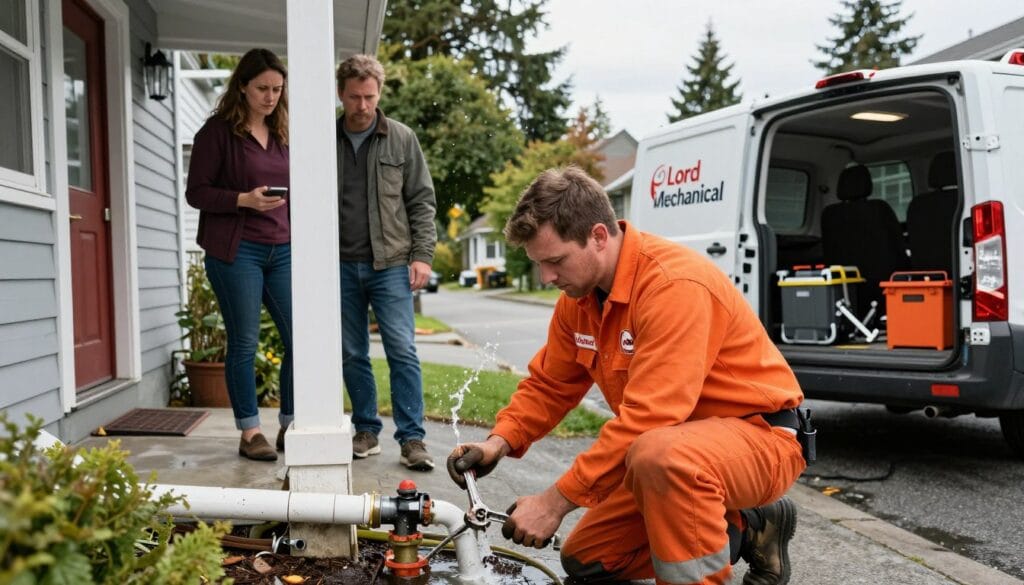
While you wait, shut off the main water, stop using drains if sewage is present, and isolate the area to limit spread. If electricity is nearby, cut power for safety.
What to expect from 24/7 customer service and rapid scheduling
We answer calls any hours day and connect you to a trained customer service rep who will ask location, symptoms, and access details. Rapid scheduling means a quick dispatch window and clear arrival updates.
| Issue | Why urgent | Typical hours day response |
|---|---|---|
| Active flooding | Immediate structural and finish damage | 24 hours day |
| Sewage backup | Health risk and property contamination | 24 hours day |
| No water supply | Loss of potable water for home | Same‑day service |
| Spreading water heater leak | Ongoing water damage and risk of failure | Emergency dispatch |
After‑hours calls may include an emergency minimum charge and a narrower arrival window; ask about estimates and next steps up front. If it’s urgent, call 604 670 3737 and we will triage and dispatch help immediately.
north vancouver plumber advice for choosing a licensed, insured pro
A clear hiring checklist helps you find experienced, insured technicians who protect your home and your budget.

Why licensing and insurance protect your home
Licensing shows competency and code compliance. Insurance covers accidental damage and liability so you are not left paying for a mishap.
How to read reviews for workmanship, punctuality, and communication
Look for repeated praise about quality of work, on‑time arrival, and clear updates. Negative reviews that describe resolution are more useful than a single bad rating.
Questions to ask before you book
- Are you licensed and insured? Ask for registration details.
- Do you have experience with older pipes and retrofit work?
- What warranties cover labour and parts?
- Can you provide a written estimate and expected time to complete the repair?
Getting estimates and avoiding surprise charges
Confirm rates for nights, weekends, diagnostics and parts. Ask if onsite estimates are free and request the quote in writing.
| Item | What to confirm | Why it matters |
|---|---|---|
| Arrival window | Exact time or window | Reduces wait time |
| After‑hours fee | Flat fee or hourly premium | Prevents surprise charges |
| Warranty | Length and coverage | Protects future repairs |
To find best plumbers and get a transparent quote, call 604 670 3737 for guidance and a written estimate.
Drain problems and drain cleaning in North Vancouver homes
Slow or recurring blockages often signal more than a surface problem; knowing why your drains fail helps you choose the right fix.
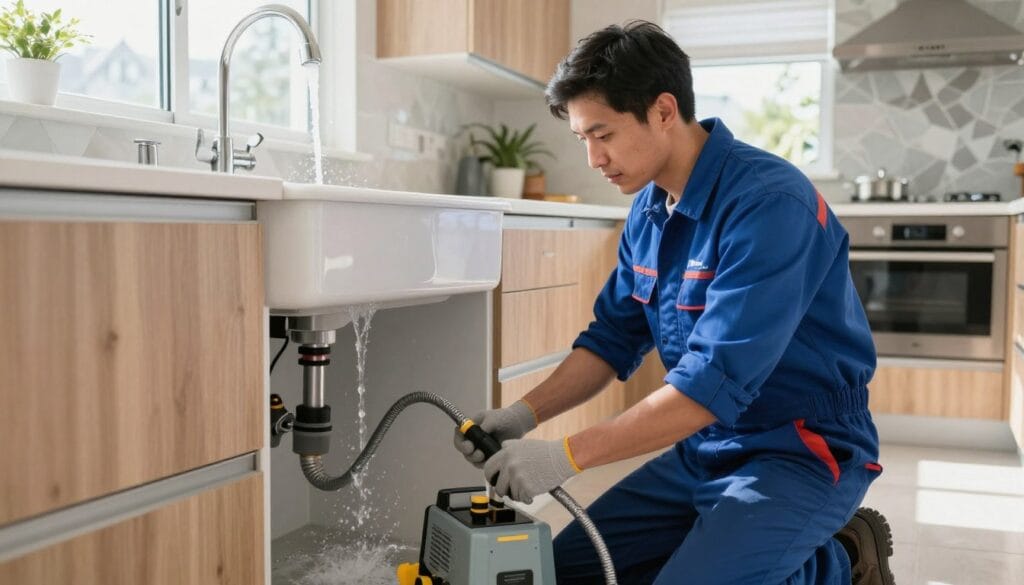
Difference between clearing and cleaning
Drain clearing restores flow quickly, often by removing a single obstruction. Drain cleaning removes buildup inside the pipe to reduce repeat clogs.
Understanding the difference helps you avoid repeated calls and unnecessary cost.
Common causes of slow drains
Kitchen drains clog from grease, food and mineral films. Bathroom drains slow from hair, soap and toothpaste residue. Laundry rooms suffer lint and detergent buildup.
Blocked traps and mineral scale produce gurgling, slow emptying or lingering odors.
Tree roots and older lines
Tree roots chase moisture and can enter small cracks, then widen them and trap debris.
Sewer scoping locates the blockage and shows pipe condition. For older lines, scoping speeds diagnosis and prevents guesswork.
When to DIY and when to call experts
Safe DIY steps: hot water flushes and checking the trap. Avoid repeated harsh chemicals and forcing tools down the pipe.
Book professional drain cleaning services if clogs recur, multiple fixtures back up, you smell sewage, or scoping seems needed.
| Symptom | Likely cause | Recommended action |
|---|---|---|
| Slow kitchen sink | Grease or food buildup | Hot water flush; professional drain cleaning if repeat |
| Bathroom slow or gurgle | Hair, soap scum, blocked trap | Remove trap; use mechanical snare; consider cleaning services |
| Multiple fixtures back up | Main sewer line or root intrusion | Sewer scoping and state-of-the-art drain cleaning equipment |
Modern diagnostics and equipment make professional work faster and more durable than repeated DIY attempts. For persistent blockages or suspected roots, call 604 670 3737 to schedule service and an assessment.
Water heater and hot water heater guidance for homeowners
We spot early signs so you avoid sudden failures and costly water damage. A hot water heater will often warn you with simple symptoms before a full breakdown.
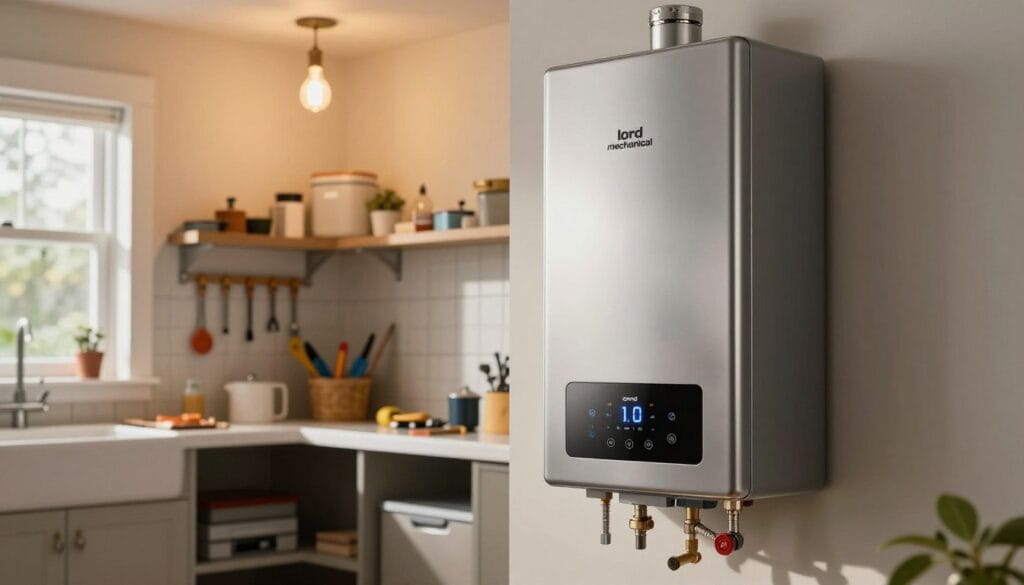
Signs your unit needs repair or replacement
Look for inconsistent temperature, reduced hot water capacity, pilot or ignition faults, and visible corrosion around fittings. Age over 10–15 years often means replacement makes more sense than repairs.
Common hot water problems
Temperature swings usually indicate a failing thermostat or sediment buildup. Popping or banging noise points to sediment in the tank. Discoloured water suggests rust or internal corrosion.
Leak risks and speedy action
Even a small leak at the tank, drain valve, or connections can cause hidden damage behind walls and under floors. Quick service limits loss and saves on restoration costs.
Maintenance to extend life
Periodic flushing, checking temperature settings, and scheduling professional inspection reduce failures. Ask about warranties and guarantees on parts and labour before you book service.
“Fast, informed action keeps hot water systems reliable and protects your home.”
If your hot water is unreliable, call 604 670 3737 for troubleshooting, repair options, or replacement guidance from an experienced plumbing service.
Leak detection, frozen pipes, and water damage prevention
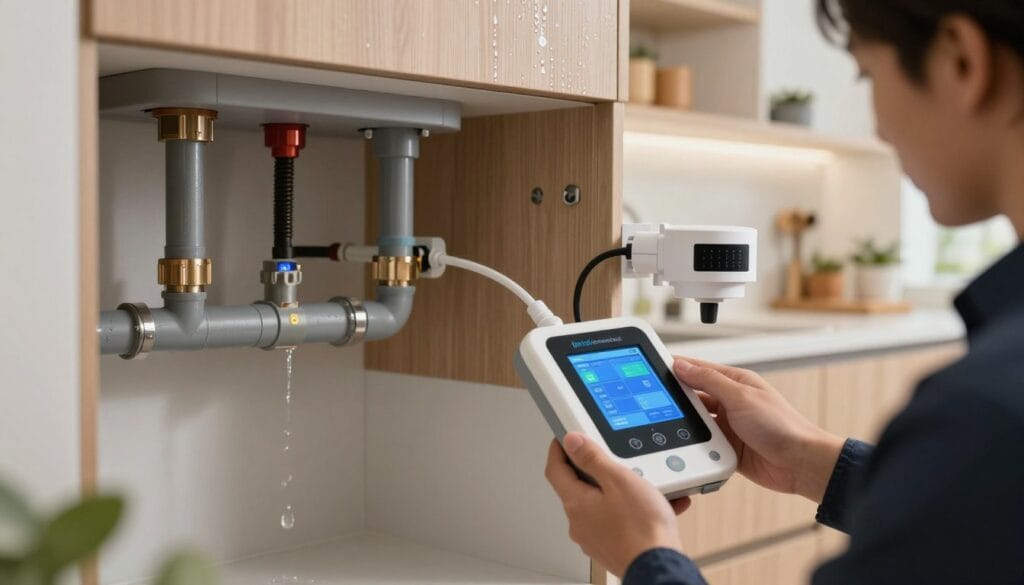
Hidden leaks often start small but show clear clues if you know what to look for. Early detection limits damage to framing and reduces mould risk. Watch for ceiling stains, bubbling paint, musty odours, damp baseboards, and unexplained increases in your water bill.
Cold-weather protection
Insulate exposed pipes, keep heat on in vulnerable spaces, and drain or frost‑protect outdoor hose bibs. Reduced flow, frost on piping, and odd noises are signs of freeze risk. A partial freeze can expand when temperatures change and cause a burst.
After a leak: immediate steps
Shut off the main water, move valuables, and contain the spread with towels or buckets. Photograph affected areas for records and to speed dispatch. Note when the leak started and which fixtures are involved.
What speeds response: clear location, symptom details, and safe access. We use safe leak detection tools to locate hidden piping and limit invasive work.
Timing matters: faster shutoff and drying reduce long‑term odour and structural harm. If you suspect a hidden leak or frozen pipe risk, call 604 670 3737 for prompt service from local experts.
Sump pump advice for basement protection
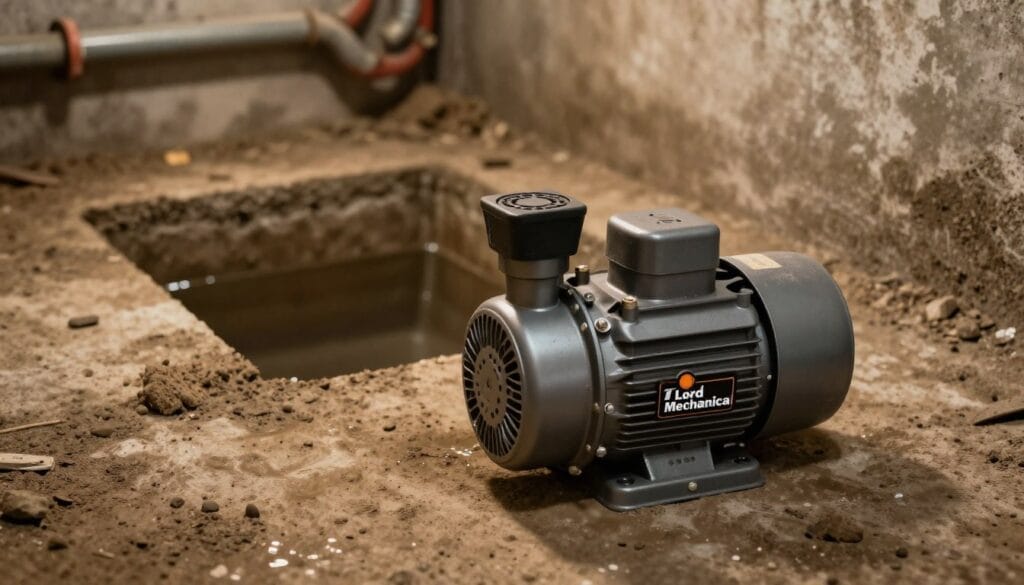
A working sump pump and backup plan can be the difference between a dry basement and thousands in repairs.
How to tell if your system meets your home’s needs
Check pump age, how often it cycles, pit size, and where discharge runs. Frequent cycling or past seepage means it may not meet your needs.
Battery backup considerations for power outages
Outages often come with storms. A battery backup keeps the pump running when mains power fails and limits flood risk.
“Proper sizing and a reliable backup reduce flood damage and give homeowners peace of mind.”
| Warning sign | Likely cause | Action |
|---|---|---|
| Frequent cycling | Small pit or high inflow | Evaluate pump capacity |
| Failure to start | Power or motor issue | Test backup and motor |
| Corrosion or noise | Age or debris | Service or replace pump |
| Frozen discharge | Exposure to cold | Improve routing or insulation |
If you’re unsure about capacity or backup options, call 604 670 3737 for service and a clear assessment. We help the homeowner and the customer choose the right plumbing solution in north vancouver.
What happens during a plumbing inspection and service appointment
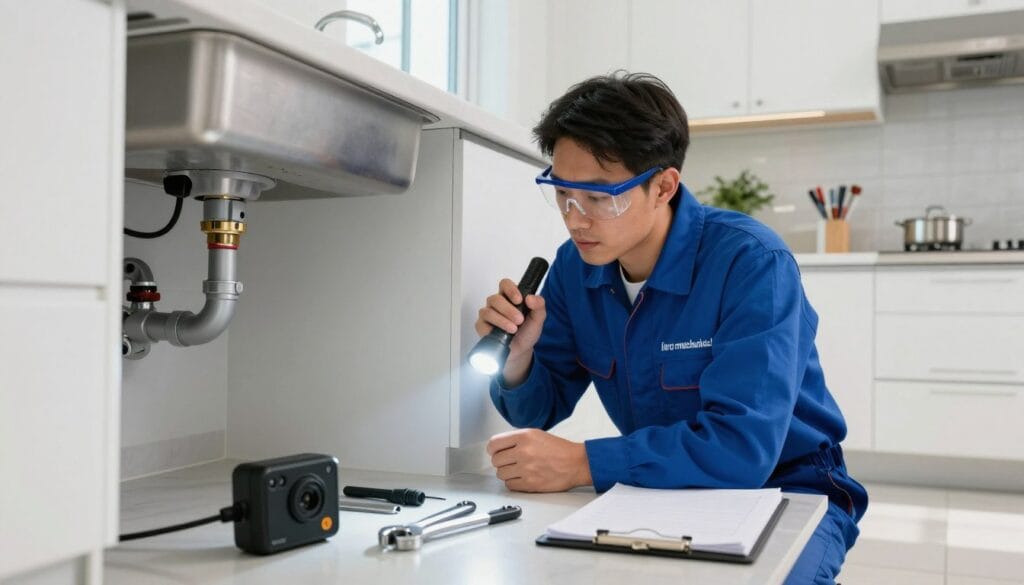
Before any work begins, we run a focused inspection to find the root cause and avoid needless repairs. We prioritise safety, then move through a step‑by‑step diagnosis so you see what we find and why.
Common tools and diagnostics you may see
We use camera scoping for sewer and drain lines to view the interior condition without digging. Moisture meters and infrared cameras locate hidden leaks quickly.
Other equipment includes pressure gauges, dye tests, and fixture‑by‑fixture functional checks. State‑of‑the‑art diagnostics reduce guesswork and speed repairs.
How to prepare your home and save time on the day
Clear access to shutoffs, the hot water tank, under‑sink areas and the sump pit. Move stored items from crawlspaces and basements.
Gather photos, notes on when the problem started, and any triggers you observed. This shortens diagnostic time and helps us present accurate options.
- What good communication looks like: clear findings, repair options with pros/cons, and transparent next steps before work begins.
- Estimates: typically delivered after inspection and will specify scope, parts, warranties and expected time to complete work.
- For a prompt inspection or a service call, contact Lord Mechanical LTD at 604 670 3737.
Conclusion
A few simple checks at the first sign of trouble can prevent major damage later on.
Assess safely, document what you see, and escalate quickly if water or sewage risk exists. Clear notes and photos speed diagnosis and reduce costs.
Hire licensed, insured technicians with strong reviews, written estimates and warranties. That protects your home and your budget when work begins.
In our area drains suffer from buildup and root intrusion, cold snaps raise freeze risks, and sump pumps and water heaters need regular care to stay reliable.
Act early—small fixes are cheaper and less disruptive than large repairs. For trusted plumbing service and fast response, call Lord Mechanical LTD at 604 670 3737 for plumbing services in north vancouver and West Vancouver today.