

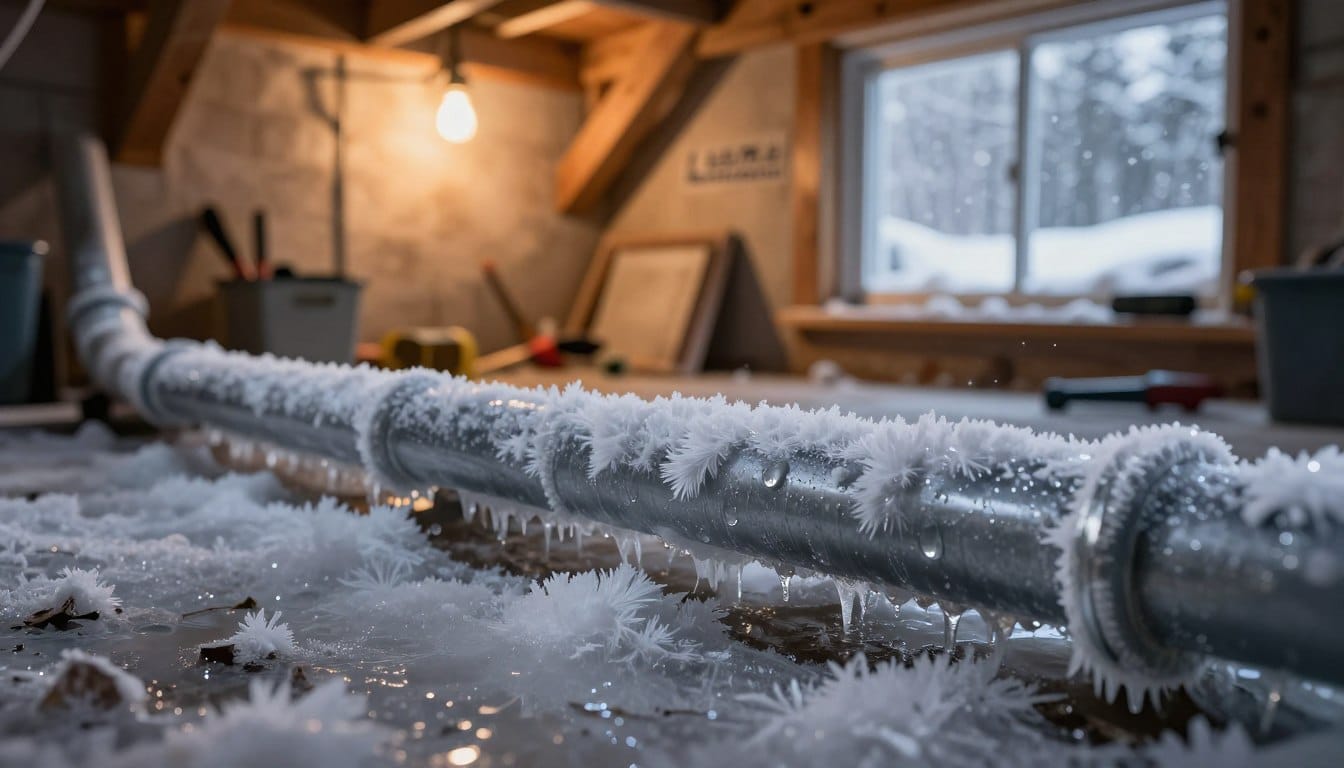
Surprising fact: in Vancouver, a one-night cold snap can raise the risk of burst plumbing by up to 40% when runs are exposed to sustained cold.
We explain what a frozen pipe is and why frozen pipe thawing matters for your home or business. A tiny ice blockage may expand and raise internal pressure until a section fails, causing major water damage and costly cleanup.
In this How‑To guide, we set clear expectations: you’ll learn to spot early signs, take immediate safety steps, pick controlled methods, and confirm the line is clear before you walk away. Safe thawing means steady heat, constant monitoring, and a contingency plan for leaks — not sudden, high heat that risks material damage or fire.
For North Vancouver and West Vancouver residents, overnight freezing can affect runs in garages, basements, and exterior walls. If you can’t safely access or verify the work, call Lord Mechanical LTD at 604‑670‑3737 for local, professional help.
Key Takeaways
- Ice in pipes increases internal pressure and the odds of a burst, leading to water damage.
- Learn to spot early signs and shut off water to limit harm.
- Safe thawing uses controlled heat and constant monitoring.
- Vulnerable areas include garages, basements, and exterior walls in winter.
- Contact Lord Mechanical LTD in North or West Vancouver at 604‑670‑3737 for expert help.
How to tell if you have frozen pipes in your home or business
Early clues that plumbing is iced up often show at the taps and along exposed runs. We walk you through the common signs so you can act fast and limit damage.
Low water pressure or little to no flow at a faucet
Start at an exterior-facing faucet or any fixture that suddenly delivers a trickle. Reduced flow often means ice is restricting water and raising pressure behind the blockage.
Frost, heavy condensation, cracks, or bulging on exposed pipe
Look for visible frost or wet condensation on exposed pipes. Bulging, stress cracks, or hard-to-miss deformities are urgent red flags for a potential burst.
Gurgling, whistling, banging, or clanking sounds
Noises in the plumbing system can signal trapped air and shifting ice. These sounds often show before visible symptoms and point to stressed lines.
Unpleasant odours, slow drains, and water spots
Bad smells from drains or faucets and sluggish drainage may mean a blockage is backing water up. Check ceilings and walls for rings, puddles, or new wet spots — they can indicate leaks as ice melts.
Quick triage: if you see bulging or active leaking, shut off the main and contain the area. For professional help in North and West Vancouver, call Lord Mechanical LTD at 604‑670‑3737.
Where pipes freeze most often in Canadian winters
Not all plumbing faces equal risk — certain areas inside a home routinely see the lowest temperatures. We map the common trouble spots so you can prioritise prevention.
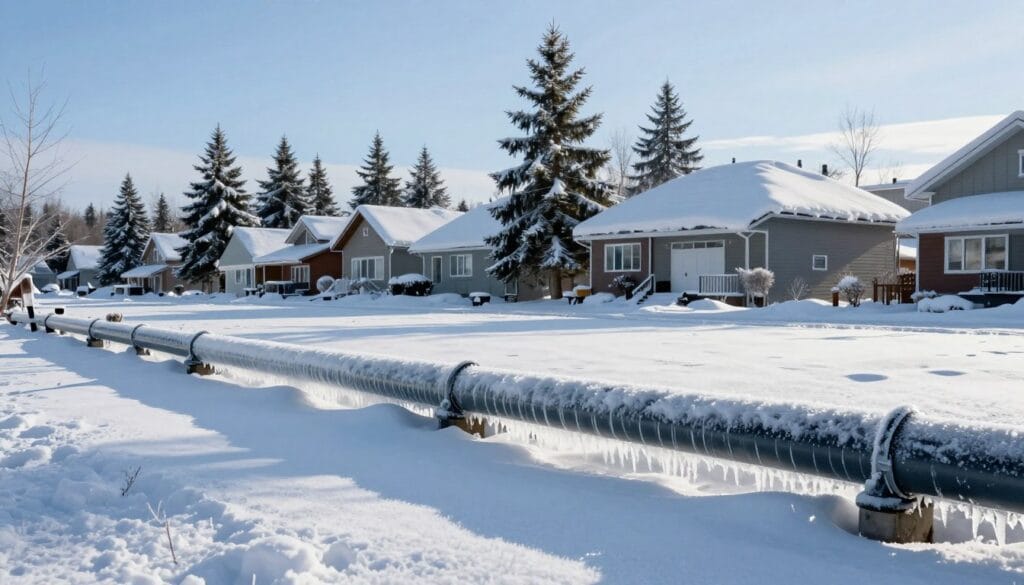
High-risk locations
Exterior walls, unheated basements, attics, garages and crawl spaces are the usual suspects. Cold air settles in these cavities and warm air does not circulate well.
How insulation and air gaps matter
Good insulation slows heat loss from a pipe and cuts the chance of ice forming. Missing insulation in a wall or ceiling cavity is a frequent cause of frozen pipe sections.
Drafts at rim joists, garage penetrations, and service holes create local cold pockets. Those air leaks speed up freezing in a narrow run.
Material and temperature red flags
Different pipe materials react differently to stress, but all can freeze. When outdoor temperatures hover near 0°C and then fall overnight, or when prolonged extreme cold lasts, your risk rises fast.
- Pipes can freeze in as little as 6–8 hours in the right conditions.
- If you suspect a problem in North or West Vancouver, call Lord Mechanical LTD at 604‑670‑3737 for expert help.
Frozen pipe thawing: immediate safety steps before you apply heat
Avoid rushing into heat. Start with a short safety checklist that limits damage and keeps everyone safe.
Turn water off at the main shutoff right away. This reduces the risk of a burst and limits any water damage if a crack is present.
- Open hot and cold faucets on the affected line so melting water can flow and pressure can escape.
- Keep a bucket and towels ready to catch drips and protect floors and finishes.
Check the work area for electrical hazards. If you find water near outlets, appliances, or cords, keep the area dry and avoid using electrical heat sources until it’s safe.
Locate the frozen section methodically
Follow exposed runs and look for visible frost or colder spots by touch. Feel along the pipe for temperature changes to find the exact section without forcing access in tight spaces.
Set up good lighting and a clear workspace so you can watch the area closely while applying a controlled heat source. Our goal is steady warming, not sudden high heat that causes further damage.
If you’re unsure or the area is unsafe, call Lord Mechanical LTD in North or West Vancouver at 604‑670‑3737 for professional help.
Safe thaw frozen pipes methods that work without damaging plumbing
Choose slow, steady methods to restore water flow without stressing your pipes. We recommend controlled, gradual heat and close monitoring so melted water can escape and not refreeze.
Hair-dryer technique
Start at the faucet end and work toward the ice blockage. Move the dryer slowly so warm air melts ice and runoff leaves the line. Keep the dryer moving to avoid hot spots.
Space heater for the room
Use a portable space heater to raise temperature in a bathroom, garage, or crawl space. Heating the whole area warms hidden runs more evenly than a single spot heater.
Heat lamp or infrared lamp
A lamp gives focused warmth when the section is accessible. Maintain safe clearance from combustibles and watch the area constantly while the lamp operates.
Electric pads and heat tape
An electric heating pad or approved heat cable delivers steady, low-temperature heating. These methods reduce thermal shock and are ideal for runs with easy access.
Hot towels and warm water
For a low-tech option, wrap hot towels around the affected length and refresh them as they cool. Carefully pour hot water over rags to add gentle heat without sudden spikes.
What to avoid
Never use open flames, propane torches, or any unattended heat source. These can damage the pipe material, ignite nearby insulation, or cause a fire.
Choose the method that fits your access, material, and space constraints. If you’re not sure or the area is unsafe, call Lord Mechanical LTD in North and West Vancouver at 6046703737 for professional help.
Step-by-step thawing process and what “done” looks like
We outline practical steps to bring water back safely and to confirm the run is fully clear. Follow this ordered process to reduce risk and spot problems early.
Keep the faucet open while you apply heat
Open the nearest faucet on the affected run before you start. An open faucet relieves pressure as ice melts and lets water and steam escape safely.
Apply heat slowly and watch for full pressure
Use steady, even heating—move a hair dryer or heat source along the line or aim a space heater at the room. Avoid focusing intense heat on one small area.
Watch the flow rise from a trickle to a steady stream. Full water pressure returning is the real signal that the blockage has cleared.
Continue heating briefly after flow returns
Keep applying controlled heat for a few minutes after pressure restores. Hidden ice in elbows or low points can remain and refreeze if you stop too soon.
Real-world timing and a whole-home check
Many situations clear in about 30–45 minutes, but colder temperatures, long exposure, or hard-to-access runs can take longer. Stay with the work and monitor sounds or new drips.
Test other faucets and fixtures in nearby rooms. One affected run often means other pipes freezing in adjacent walls or unheated spaces.
If you detect leaks, bulges, or uncertain damage, stop and call Lord Mechanical LTD at 6046703737 for fast, professional help in North and West Vancouver.
After thawing: check for leaks, burst pipe signs, and water damage
Once flow returns, the highest risk is hidden damage that appears as the ice melts and pressure resumes. We guide you through a focused post-thaw check so small failures don’t turn into major water damage.
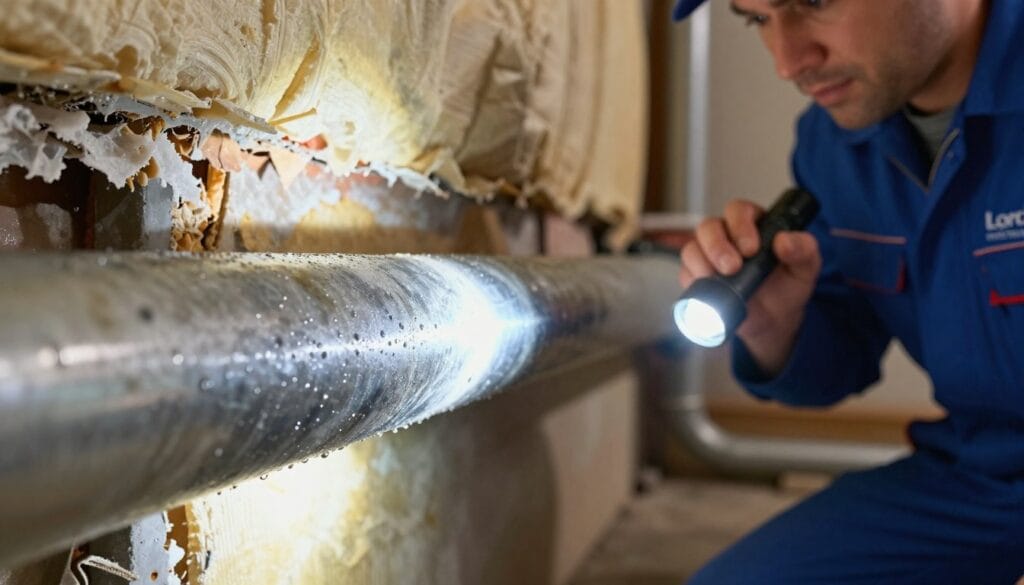
Inspect the run for visible cracks, seepage and new bulges
Trace the accessible pipes along the run. Look for hairline cracks, fresh wet spots and any soft bulges. Even a tiny weep can expand under normal pressure.
Watch for hidden leaks behind walls, ceilings and floors
Check nearby walls, ceilings and under cabinets for new stains, soft drywall or damp flooring. Small drips can track and appear far from the original section.
Contain moisture and dry fast to limit mould
Contain water with towels and buckets, then increase airflow and use a dehumidifier. Quick drying reduces mould and long-term damage to finishes.
When to call a plumber
If thaw frozen efforts don’t restore full flow, freezing recurs, or you suspect a burst, turn water off and call a professional. For North and West Vancouver homeowners and businesses, contact Lord Mechanical LTD at 604‑670‑3737 for fast, expert plumbing support.
Conclusion
A short checklist and steady action protect your water system from costly cold‑weather failures.
We close with one clear takeaway: frozen pipes are a safety and damage risk, not just an inconvenience. Controlled response and a follow‑up inspection keep your plumbing system long‑term and reduce water loss.
To prevent pipes issues this winter, improve insulation on vulnerable runs, seal air gaps, and keep unheated spaces warmer. Watch for signs—low flow, odd sounds, or visible condensation—and act early to limit pressure and rupture risk.
If you cannot access a frozen pipe safely or you suspect hidden damage, call Lord Mechanical LTD in North or West Vancouver at 604‑670‑3737 for fast diagnosis, safe support, and repairs that help prevent repeat problems.