

Have you considered how one heavy storm could challenge your home and its systems?
We speak as your local advisor in North and West Vancouver, guiding you through clear steps to protect your property. Even a single blocked line can cause thousands of dollars in damage to floors, wiring, walls and belongings.
We explain common causes — aging pipes, combined lines in heavy rain, tree roots and main blockages — and show practical plumbing fixes you can trust. You’ll learn daily habits to reduce clogs, when to install engineered devices like a backwater valve, and how to act safely if water starts to rise.
For expert help or a professional inspection, call Lord Mechanical LTD at 6046703737. We serve North Vancouver and West Vancouver and stand ready to protect your home with clear, actionable advice.
Key Takeaways
- Even one incident can cause major losses; prevention pays off.
- Understand homeowner responsibility for the lateral and common local causes.
- Simple daily habits cut clog risk and extend plumbing life.
- Engineered devices and timely shut-offs reduce reverse flow and losses.
- Call Lord Mechanical LTD at 6046703737 for local inspections and installations.
Why sewer backups happen in Vancouver’s homes and businesses
When intense rain hits Vancouver, old lines and tree roots often reveal weak spots in plumbing.
Aging systems and combined pipelines during heavy rain
Many local lines are over 30 years old. Older pipe joints crack and settle. Combined storm and sanitary sewer systems can be overwhelmed during heavy rain, forcing water and waste toward low points in a property.
Tree roots, debris and grease restricting lines
Tree roots seek moisture and enter tiny cracks. Roots, cooled grease and non-dissolving debris collect and narrow flow paths. This slows drainage and raises the chance of a stoppage.
Sanitary main blockages and early warning signs at floor drains
A blockage in the city sanitary sewer can push sewage through building floor drains. Gurgling, slow drains or seepage at a basement floor drain are early clues.
“If water enters rapidly, contact a licensed plumber and report fast to the city.”
Acting on these signs gives you time to limit damage. Call Lord Mechanical LTD at 6046703737 for fast diagnosis and help coordinating with municipal crews.
| Cause | How it affects flow | Early sign |
|---|---|---|
| Aging pipework | Cracks, joint failure, reduced capacity | Slow drains after rain |
| Tree roots & debris | Physical blockage, increased clogs | Gurgling floor drains |
| City main overload | Reverse flow into basements | Seepage at floor drains |
Homeowner responsibilities in Canada: your sewer lateral and beyond
Clarifying ownership of the lateral between your foundation and the municipal main helps you plan effective maintenance.
You own the house sewer lateral that runs from your foundation to the sanitary sewer main. That ownership often extends into the public right-of-way, so the onus for repairs sits with you and your property.
Cracks, offset joints and root intrusions in a sewer line let groundwater in and solids out. These failures reduce capacity and raise the chance of overflows that affect the city system.
Assessing and planning for repairs
- Schedule camera inspections to locate defects in sewer lines and decide on spot repair or full replacement.
- Older clay or cast-iron pipe is prone to roots; upgrading to solid plastic reduces future work.
- Plan inspection intervals and triggers for intervention; include permits when work nears the public main.
Watch for slow drains, strange odours and damp patches in your home. Need a lateral assessment in North or West Vancouver? Call Lord Mechanical LTD at 6046703737 and we’ll scope your line and report on condition.
Sewer backup prevention basics: daily habits that protect your property
Consistent, low-effort care keeps drains flowing and lowers risk to your living spaces.
Keep grease out of the drain. Let cooking fat cool in a container and throw it away. Hot water and detergent only move grease; once cooled it can solidify and clog a pipe.
Never flush wipes, paper towels, diapers or hygiene products. These items do not break down and cause blockages that force sewage into basements and floor drains.
Correct illegal connections. Sump pumps, French drains and footing drains must not tie into the sanitary line. Debris and silt from these systems will overload the municipal system and your lateral.

Routine tips and schedule
- Use sink strainers and clear them weekly.
- Set seasonal reminders for root cutting and camera checks.
- Consider replacing old pipe with modern plastic to reduce root intrusion.
| Action | Why it matters | Suggested frequency |
|---|---|---|
| Collect kitchen grease | Prevents solid deposits in lines | Every cooking day |
| Avoid non-dissolving items | Stops progressive build-up and backups | Always |
| Root cutting or pipe upgrade | Restores flow or removes entry points | Annually or as-needed |
These habits reduce long-term costs and lower sewage risk in your home. For a tailored maintenance plan in North or West Vancouver, call Lord Mechanical LTD at 6046703737.
Backwater valves and backflow protection: choosing the right system
A correctly sized and placed valve keeps wastewater moving out while stopping reverse flow into living spaces.
A backwater valve lets flow one way — from your property to the municipal line — using a flapper that opens for discharge and closes when pressure reverses.
Most models are normally closed and act automatically. Manual slice or knife valves give full shut-off both ways for severe events. Fixture-level options protect specific drains like a laundry or floor drain.
Interior vs exterior and access for maintenance
Interior installation makes winter servicing and inspections easier. Exterior placement can work where layout or depth requires it, but add a secure access panel.
- Plan location: place the valve installed between the municipal connection and under-floor branches so all vulnerable drains are covered.
- Choose rated devices: pick products certified for sewage and backflow and have a licensed plumber install backwater devices to ensure proper slope and seal.
- Inspect annually: raised covers or trapdoors let you clean and verify the rubber seal and rocker door quickly.
| Type | Operation | Best for |
|---|---|---|
| Normally closed backwater valve | Automatic one-way flow | Mainline protection; low maintenance |
| Slice / knife valve | Manual full shut-off both directions | High-risk events; temporary isolation |
| Fixture-level device | Local one-way protection | Protects specific drains like laundry or floor drains |
Need help selecting and to install backwater protection? Call Lord Mechanical LTD at 6046703737 for assessment and service in North and West Vancouver.
How to install and maintain a backwater valve
Placement and routine care keep the device ready when you need it most.
Where to place the valve: install the backwater valve between the municipal sewer connection and all under-floor branches and basement plumbing. This location ensures every low-level drain is protected before reverse pressure can reach fixtures in your home.
Access and installation notes
Build an access point above the valve installed location. A trapdoor, service riser or removable panel makes inspections and repairs quick and safe.
Proper bedding, slope and alignment at install time protect the valve body from stress and leaks. If you are installing backwater equipment, use a licensed plumber to confirm positioning and seal integrity.
Annual inspection checklist
- Open the access and visually inspect the rocker door for grit or scale.
- Remove any debris that could stop the flapper from moving freely.
- Verify the rubber seal is tight and undamaged; replace gaskets if cracked.
- Make sure the hinge moves smoothly and the valve operates without sticking.
- Note odours, sluggish drains or visible accumulation and schedule service if present.
Maintenance is simple but vital. We recommend an annual check before the rainy season and documenting work for warranty and insurance. If you’re unsure, call Lord Mechanical LTD at 6046703737—we’ll confirm the backwater valve installed is ready to protect your property.
Plugging home drains to prevent sewage backup during storms
A short, tool-by-tool playbook helps you plug the weakest points and protect your basement and fixtures.
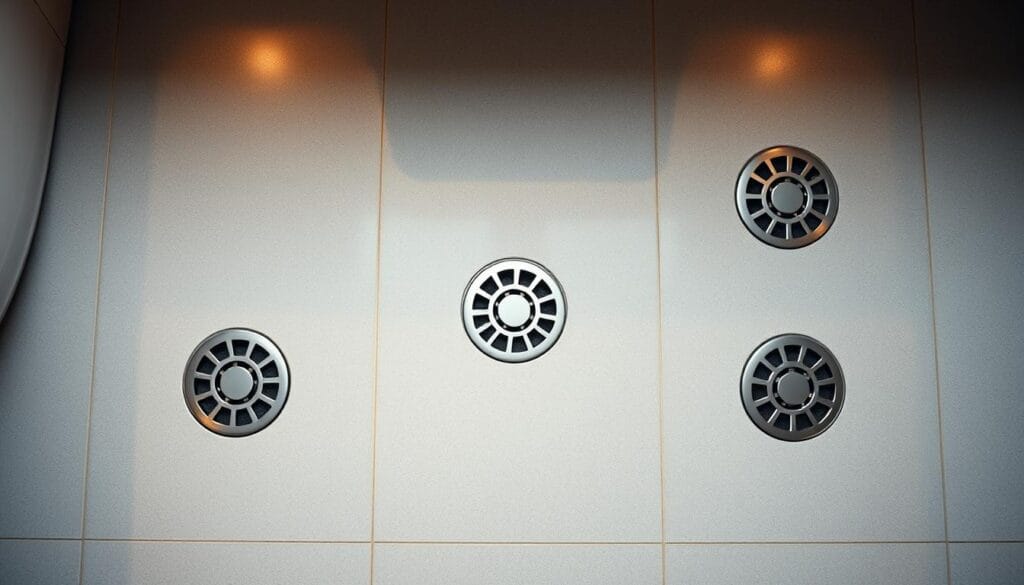
When to act
If a major storm or high rain is forecast, act early. Seal low-level openings before pressure builds to stop contaminated water reaching living spaces.
Types of plugs and where to use them
Test balls, twist/pressure plugs, threaded caps and float plugs each fit specific pipe sizes and situations. Float plugs let condensate escape while blocking reverse flow for a floor drain.
Step-by-step sealing for common fixtures
- Floor drains: remove the grate if possible and fit a correctly sized test ball or float plug. If the grate is fixed, use a rubber sheet and brace with plywood.
- Toilet (basement): shut off water, flush and drain, unbolt and lift. Clean the flange and insert a tight-fitting pipe plug. Reinstall later with a new wax ring.
- Showers, sinks and tubs: measure the opening and install snug plugs; use a shallow automotive plug for bathtub overflows.
- Washing machine standpipe: fit a pressure plug or threaded cap on the standpipe to stop backflow into the washer.
Footing drains and final checks
Older footing drains may tie into the main line. Fit a one-way valve or wedge plug where possible and follow a sealing sequence: lowest drains first, then fixtures. Double-check fittings before the storm.
“Keep a labelled storm kit with measured plugs ready — call us to size and label everything: 6046703737.”
What to do during a sewer backup event
When sewage reaches low points in your home, quick, calm action reduces health risks and property loss.
Immediate safety steps
Make sure power to the basement is switched off before you go downstairs. Standing water and live circuits are a dangerous mix.
Stop all water use. Do not run taps, dishwashers or washing machines. This limits added flow into the system and lowers pressure on weak points.
Wear PPE if entry is necessary: gloves, rubber boots, eye protection and a mask. Keep family and pets well away from the affected area.
Who to call and when to notify the city
Call a licensed plumber immediately to diagnose whether the problem is on your property or the municipal line.
- Watch the speed and source of the inflow — fast entry through floor drains can mean a city main issue.
- If sewage backup appears to come from the public line, phone the city after you contact your plumber so crews can respond.
- Document the scene with photos once it is safe; this helps repair planning and insurance claims.
“If you need rapid on-site support in Vancouver, North Vancouver or West Vancouver, call Lord Mechanical LTD at 6046703737.”
Cleanup, documentation and insurance for sewage backup
When wastewater touches floors or walls, an ordered cleanup plan speeds recovery and limits mould growth.
Professional cleanup vs DIY: We recommend hiring a certified restoration team for major contamination. Specialists reduce health risk, clear ducts, and handle saturated insulation and structural repairs safely.
If you must start work yourself, turn off electricity to wet areas first. Wear gloves, rubber boots, eye protection and a mask. Use a wet-vac or pump for standing water, disinfect hard surfaces and remove soaked carpets and porous materials quickly.
Disinfection and mould prevention
Treat surfaces with a suitable disinfectant and follow manufacturer contact times. Drying targets: get relative humidity below 50% and materials below 20% moisture within 72 hours to limit mould.
Photos, inventories and receipts to support a claim
Document everything. Take wide and close photos before and after cleaning. List damaged items room-by-room and save all receipts for disposal, repairs and rental equipment.
| Action | Why it matters | When to do it |
|---|---|---|
| Before/after photos | Proves extent of damage for adjusters | Immediately and after work |
| Room-by-room inventory | Itemises losses and values | Within 24–48 hours |
| Keep all receipts | Supports reimbursement and estimates | Throughout repair process |
Tell your insurer when you install a backwater valve
Notify your insurance provider if a backwater valve installed on your home changes risk profile. Many insurers offer endorsements for sewer backup coverage or may adjust premiums after a valve installed.
“Contact your insurer early in the event and keep digital copies of photos and receipts for faster processing.”
We coordinate with adjusters and provide detailed estimates to speed claims and limit further damage. For claim-ready documentation and restoration planning in North or West Vancouver, call Lord Mechanical LTD at 6046703737.
Conclusion
Prioritizing low-level drains and a correctly specified backwater valve gives you the best chance against reverse flow. Manage what goes down the drain, keep your lateral pipe maintained, and fit a rated valve so sewage stays out of your home.
Prepare now: focus protection at the lowest toilet, floor drain and branch lines. Keep a storm plug kit sized for your drains and schedule an annual service to check the rocker door and rubber seal on a backwater valve.
Document any event for your insurer and call us for local advice. For inspection, installation and maintenance in North Vancouver and West Vancouver, call Lord Mechanical LTD at 6046703737.