

Have you ever wondered why your furnace stops delivering heat on the coldest morning? We see this in North Vancouver homes when a small flame fails and vents push cool air instead of warmth. This guide explains what that flame does, why it matters, and how to spot common gas and system issues before they cost more.
We outline the role of the standing flame and modern electronic igniters so you can identify your furnace type. Safety devices such as thermocouples and flame sensors cut gas flow when no flame is present. That is vital to prevent gas buildup and keep your home safe.
Lord Mechanical LTD serves North and West Vancouver. If the flame won’t stay lit or your heating system still won’t hold heat, call us at 6046703737 before a small problem becomes a costly one.
Key Takeaways
- We explain what a pilot light is and why it matters to your furnace or boiler.
- Thermocouples and flame sensors shut off gas to protect your home.
- Common causes include dirty orifices, drafts, and failing gas valves.
- Modern systems use electronic igniters; identify your system before acting.
- Regular HVAC checks reduce recurring outages and extend system life.
- Contact Lord Mechanical LTD at 6046703737 if heat does not return.
Understanding pilot lights, ignition systems, and safety devices in your home heating
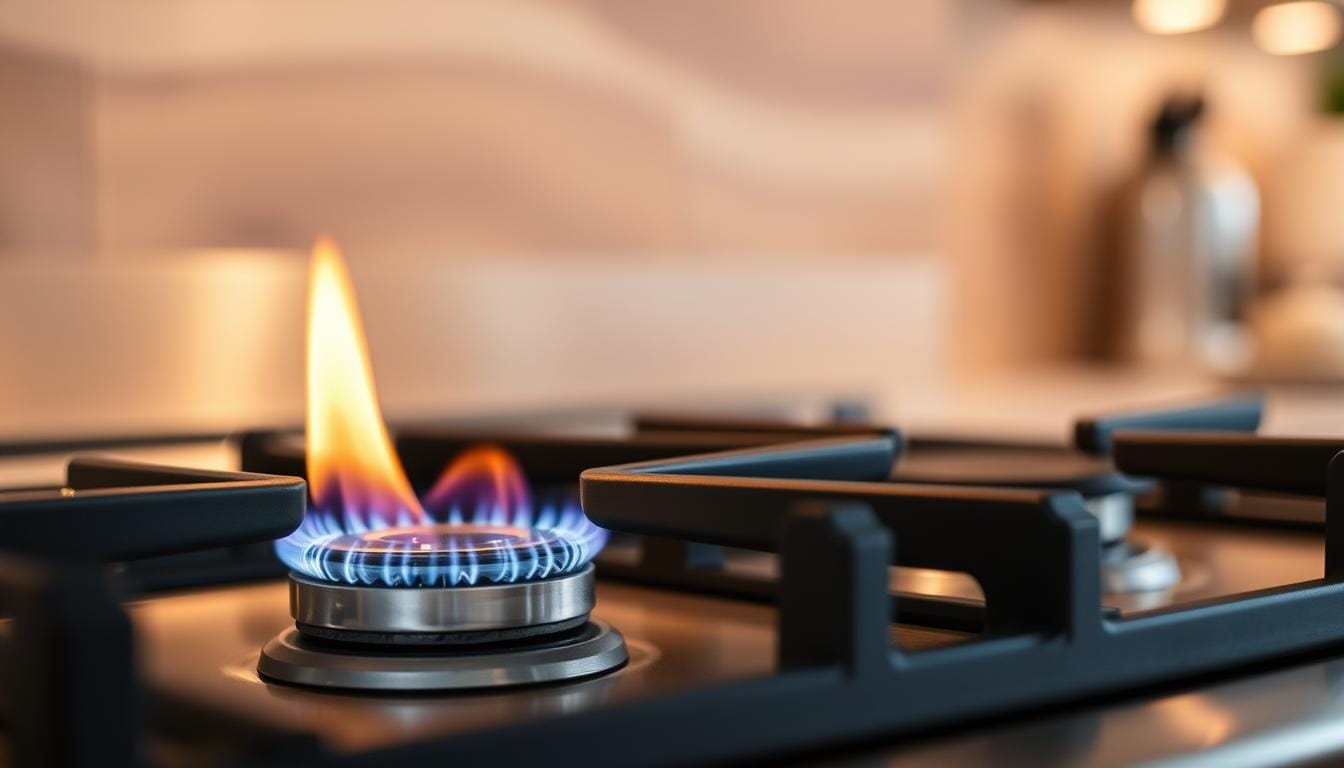
We explain how a small, steady flame on older gas equipment starts the main burner when your thermostat calls for heat. In boilers that flame usually sits behind a lower access panel and should burn a steady blue. A crisp blue flame means good combustion; a yellow or wavering flame signals a combustion issue that needs attention.
What that small flame does
The pilot light is a continuously burning gas flame that ignites the main burner on demand. You’ll find it on many legacy furnaces and boilers. Standing pilots consume gas continuously—some estimates cite around 600 BTU/hr—so they affect efficiency.
Thermocouples versus flame sensors
Thermocouples sit in the pilot flame and send a tiny signal to the gas valve. If the flame goes out, the thermocouple cools and the valve shuts the supply to protect your home.
Flame sensors work in modern systems with electronic ignition. They confirm the main burner has lit and force a shutdown if combustion fails. Both devices serve as a critical safety device.
Standing flame versus electronic systems
Standing flames offer simple reliability but run continuously. Electronic setups use spark or hot-surface starters and light only when needed. That on-demand action improves efficiency, reduces wasted gas, and helps lower HVAC energy use in Vancouver’s damp coastal air.
Review your appliance manual to identify which setup you have before troubleshooting. If your furnace or boiler shows repeated shutdowns or no heat, identifying the system narrows the likely issue and speeds safe diagnosis.
Safety first: what to check before you attempt any pilot light or ignition repair
Safety must come first—begin by assessing the area around your appliance for gas or hazards. If you smell a rotten-egg odour, evacuate everyone immediately. Do not operate switches or use phones inside the building. Call your gas utility from outside.
Smell for gas, ventilate, and when to evacuate
Open doors and windows to ventilate the space. Before relighting, turn the gas off at the appliance and wait at least five to fifteen minutes to let residual gas disperse.
If anything smells strong or you feel unwell, leave and call your gas utility or 6046703737 for professional help.
Make sure power and gas are off, and locate your manual
For electronic systems, switch off power at the breaker to prevent accidental ignition while inspecting components. Locate the furnace or boiler manual—often behind an access panel—for model-specific relight steps.
- Quick visual checks: loose panels, water signs, scorch marks.
- Improve ventilation: tight closets and basements need fresh air pathways.
- Safety gear: use a long-reach lighter if a manual flame is required and ensure a working carbon monoxide detector is near sleeping areas.
If anything feels unsafe, stop and call Lord Mechanical LTD at 6046703737. Your safety is the priority.
Pilot light and ignition repair: step-by-step relight procedures
Follow clear, safe steps below to relight a standing pilot on common gas furnaces and reset modern electronic starters.
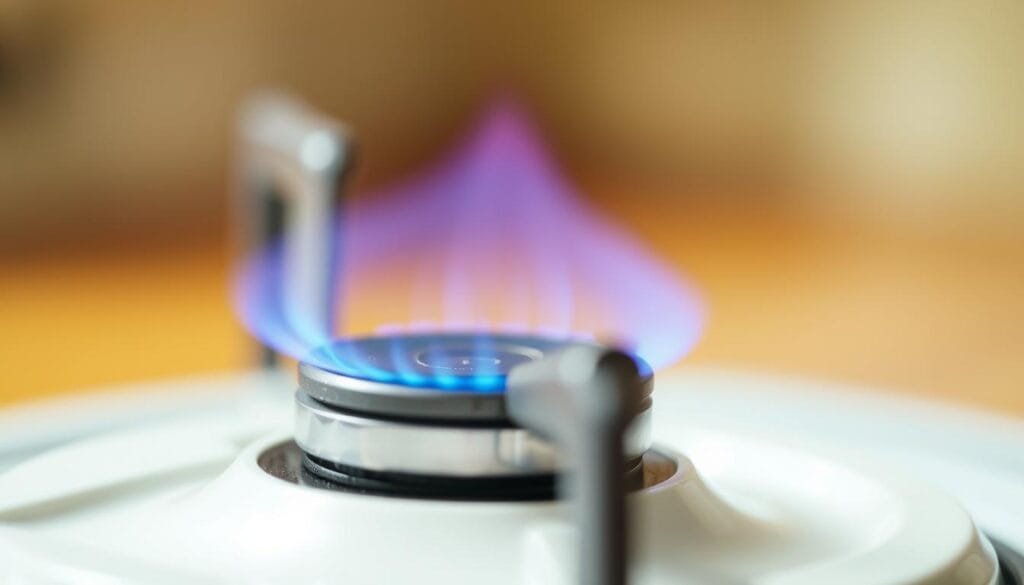
How to relight a standing pilot on a furnace safely
Turn the gas control to OFF and wait 10–15 minutes to let residual gas clear. This reduces the risk of a flare when you ignite the pilot.
Set the control to PILOT, press and hold the button while applying a long-reach lighter at the pilot opening. Keep holding for 30–60 seconds so the thermocouple heats. Then move the control to ON.
How to relight a boiler pilot or reset an automatic starter
For boilers, remove the lower access panel to reach the pilot assembly. Follow the same manual sequence described above, then replace panels before calling for heat at the thermostat.
For electronic systems, shut power at the breaker for 5–10 minutes to reset. Restore power and listen for the igniter clicking or for a hot surface to glow. Watch for the main burner to fire within a minute.
Common relight pitfalls to avoid for home safety
Do not rush. Skipping the wait after you turn gas off is a frequent mistake. Avoid short lighters that place your hand close to the flame. Always keep clear of the burner area and ensure good ventilation.
| Task | Recommended action | Why it matters |
|---|---|---|
| Turn gas off | OFF for 10–15 minutes | Prevents gas build-up before relight |
| Manual relight | PILOT, hold 30–60s, then ON | Allows thermocouple to hold gas valve |
| Electronic reset | Power down 5–10 minutes, power up | Resets control board and igniter cycle |
If the pilot won’t hold, the thermocouple or gas valve may be failing. Stop if you smell strong gas and call your utility. For repeated problems, call Lord Mechanical LTD at 6046703737 for safe diagnosis in North and West Vancouver.
Why your pilot light keeps going out: causes and fixes you can try today
Repeated outages often trace back to simple causes you can spot by watching the burner and airflow. We show safe checks you can do at home and explain when you should stop and call a pro.
Dirty orifice and buildup
A weak, yellow, or flickering flame often means a dirty pilot orifice or soot buildup. Gently vacuum around the burner assembly and remove loose debris.
Avoid poking the orifice. That tiny, calibrated opening can be damaged and make the problem worse. Professional cleaning may be needed.
Drafts and ventilation
Strong drafts in basements, closets, or near a shifted chimney rain cap will snuff the flame. Check room vents, utility doors, and the flue for changes after storms.
Thermocouple checks
Inspect the thermocouple tip position; it must sit in the blue part of the flame to signal the valve. If the pilot lights but drops out when you release the control, the thermocouple may need cleaning or replacement.
Gas valve and supply problems
Intermittent flow or weak flames on multiple appliances point to a gas supply or gas valve fault. If several units show low flame, call your gas utility before further attempts.
- Quick signs: yellow flame = dirty pilot, gusts = drafts, drops after release = thermocouple.
- When to call: repeated outages, smell of gas, or if a gas valve may need professional service.
If the pilot light keeps going out despite these checks, call Lord Mechanical LTD at 6046703737 for safe diagnosis in North and West Vancouver.
Ignition problems beyond the pilot: diagnosing modern systems
Modern furnaces use on-demand starters — spark igniters or hot-surface igniters — paired with a flame sensor that proves combustion. This removes the need for a standing pilot light and changes how we diagnose faults in a home heating system.
Igniters and flame sensors: symptoms and basic checks
Listen for the sequence: click or glow, then the burner fires. Repeated clicking with no burn usually points to a weak igniter or interrupted gas supply.
If the burner lights then shuts off, a dirty flame sensor often causes the shutdown. Cleaning the sensor gently with a soft abrasive can restore function.
Power, thermostat, and error codes: quick wins
Start with simple checks: confirm power at the breaker and that the thermostat is set to heat above room temperature. Many control boards display diagnostic error codes — note these before you call a technician.
- Safe cleaning: remove and polish the flame sensor with a soft pad, then reinstall.
- When to replace: cracked ceramic on an igniter needs replacement, not cleaning.
- Resets: cycling power can clear lockouts; repeated lockouts require professional diagnosis.
| Symptom | Likely cause | Quick action |
|---|---|---|
| Clicking, no burner | Faulty igniter or no gas supply | Check breaker, document error code, call if gas smell |
| Burner fires then shuts | Dirty flame sensor | Clean sensor; test sequence; replace if issue persists |
| No response at call for heat | Power or thermostat fault | Verify power, thermostat setting, note model numbers |
If you smell gas, stop all attempts and call your utility. For unresolved issues, call Lord Mechanical LTD at 6046703737 for fast, professional service in North and West Vancouver.
Repair options, timelines, and typical Canadian cost ranges
We explain common fixes, how long they take, and what they usually cost in Canada. Some jobs are same‑day, others need parts and testing. Knowing ranges helps you plan and budget.
Parts, timelines and typical costs
Quick same‑day work often covers a thermocouple swap or cleaning. That typically runs about $100–$250.
Gas valve work is more involved. Expect parts starting around $350 plus time for leak checks and setup.
Chimney caps and heat exchangers
Chimney caps range widely from roughly $35 to $750 depending on material and size. Missing or damaged caps can cause drafts that snuff the pilot and force repeat visits.
Heat exchanger repairs start low for minor fixes but can reach thousands. Full replacement is usually $1,000–$2,000 under warranty, and up to $3,500 if out of warranty.
Parts versus labour, warranties, and when to replace
What affects your invoice? Parts list price, part availability in the Lower Mainland, travel and diagnostic time, permits, combustion testing, and after‑hours calls all drive costs.
| Item | Typical Canadian range | Notes |
|---|---|---|
| Thermocouple | $100–$250 | Fast, same‑day fix in most cases |
| Gas valve | From ~$350 plus labour | Requires leak checks and calibration |
| Chimney cap | $35–$750 | Material and size drive price; affects drafts |
| Heat exchanger | $100 (minor) – $3,500 (replacement) | Warranty status and furnace age determine option |
We recommend collecting the brand, model, and serial from the data plate inside the cabinet before you call. Warranties often cover parts but not labour, so that info speeds authorization.
Schedule work in shoulder seasons to reduce emergency fees and improve parts access. For clear quotes and safe service in North and West Vancouver, call Lord Mechanical LTD at 6046703737.
Proactive maintenance to improve safety, comfort, and efficiency
Small, seasonal steps keep your heating safe and steady through North Vancouver’s damp winters. Regular work catches rising carbon monoxide, preserves comfort, and lowers energy use.
CO detectors, filter changes, and seasonal tune-ups
Install CO detectors near sleeping areas and test batteries when clocks change. Evacuate and call 911 if an alarm sounds.
We recommend two tune-ups a year—pre‑winter and pre‑summer—to inspect burners, verify combustion, and clean the heat exchanger.
Reduce drafts, cleaning schedules, and when to consider upgrading
- Seal obvious drafts around utility closets to stop gusts that can snuff a small flame.
- Change filters regularly to improve air flow and reduce strain on burners and igniters.
- Consider upgrading older standing systems to electronic starters to boost comfort and efficiency.
| Action | Frequency | Benefit |
|---|---|---|
| CO detector test | Every 6 months | Early warning of combustion hazards |
| Filter change | 3 months (or monthly for dusty homes) | Better airflow, stable flame, lower HVAC stress |
| Professional tune-up | Twice yearly | Combustion check, sensor clean, extended equipment life |
North Vancouver’s damp air can speed corrosion; a steady maintenance plan reduces moisture-related issues and emergency calls. For a pre-season tune-up, call Lord Mechanical LTD at 6046703737.
North Vancouver help when DIY isn’t enough: call Lord Mechanical LTD at 604-670-3737
Persistent pilot outages, yellow flames, frequent shutdowns, or gas odours require professional attention. We respond quickly across North and West Vancouver to diagnose faults that outpace DIY steps.
We bring diagnostic tools to test flame signals, verify gas valve operation, and evaluate gas supply and combustion. That means we fix the root cause—not just the symptom.
Common issues we check:
- Thermocouple faults and dirty pilot orifices.
- Failing gas valves, control board errors, and starter problems.
- Drafts, venting defects, and air supply faults that cause recurring outages.
Emergency service is available. Heating failures don’t follow business hours. If you report a gas smell or repeated shutdowns, we prioritise safety, conduct leak checks, and perform post‑work combustion testing.
We stock common parts, source specialty components across the Lower Mainland, and give transparent estimates and timelines before work begins. Call Lord Mechanical LTD at 604‑670‑3737 to stabilise your furnace and restore reliable heat to your home.
Conclusion
We close with clear steps to keep your home safe and restore steady heat. If you smell gas, evacuate immediately and call your utility from outside.
For older units follow the OFF, wait, PILOT, light, hold, then ON sequence. For modern systems, reset power at the breaker, note any error codes, then test the thermostat.
Repeated outages often point to a dirty pilot orifice, misaligned thermocouple, failing gas valve or weak gas supply. Costs range from modest for a thermocouple to higher for a gas valve or heat exchanger; warranties often cover parts, not labour.
Regular maintenance, CO detectors, sensor cleaning, and timely part replacement protect comfort and safety. If the pilot light keeps going out, stop repeated relights and call Lord Mechanical LTD at 6046703737 for expert service in North and West Vancouver.