


Have you ever wondered why your morning routine stops cold without warning? We help homeowners and businesses in North and West Vancouver diagnose the most common causes and take safe first steps.
Smelly odours, strange noises or a silent heater can mean different problems. A tripped breaker, pilot light failure, thermostat fault, sediment build-up or a leaking tank are frequent culprits. We explain clear actions you can try and when to stop and call us.
We set expectations for what is safe to do now and what requires our water heater and plumbing service. If you smell gas, shut off supply, leave the area and call the experts. For non-urgent faults, we guide you through simple checks and note recovery times so you can plan.
Call Lord Mechanical LTD at 604-670-3737 for fast diagnostics and reliable repair in North and West Vancouver.
Key Takeaways
- We show safe first steps and when to cease troubleshooting.
- Learn the common signs of failure so you can describe the issue precisely.
- We outline likely reasons, from a tripped breaker to a failed pilot or thermostat.
- Expect recovery times to vary by heater type and outdoor temperature.
- Routine flushing and anode checks prevent odours and extend heater life.
- Lord Mechanical LTD is your local partner for prompt, transparent service.
What to do right now when you have no hot water in North Vancouver
Start with a quick, calm check of the entire plumbing circuit to figure out what part of the system is affected.
Confirm whether multiple fixtures lack hot water. Try the shower, kitchen tap and a laundry outlet. If only one fixture is cold, the issue is often a local valve or mixer.
Note recent heavy use—long showers, dishwasher or multiple loads can exhaust the tank. Also consider cold weather: lower inlet temperatures slow recovery, especially for electric water systems.
For electric units, check the breaker and any high-temperature cut-off; reset once and wait for recovery. For gas units, ensure the gas is on and the pilot or ignitor is working.
If you detect a sulphur or “rotten egg” odour or hear hissing, leave immediately and contact the utility. If you see active leaking, close the cold water inlet to limit damage and, when safe, drain to a floor drain or outside.
Document what you observe—timing, which fixtures, noises, odours and any indicator lights. This information speeds diagnosis when you call us at 604-670-3737. Lord Mechanical LTD serves North and West Vancouver and will guide the next safe step.
Safety first: gas, power, and water shutoffs to prevent hazards
Stop, assess, and secure: controlling gas, electricity and valves prevents harm and further damage. We walk you through safe, simple actions to protect people and property before any troubleshooting.
How to safely turn off a gas supply and recognise “rotten egg” odours
If you smell a sulphur-like or “rotten egg” odour, assume a gas hazard. Evacuate everyone and pets immediately. Do not operate switches, phones or appliances near the source.
If you are trained, shut the appliance gas valve or the main house gas valve by turning the lever so it sits perpendicular to the gas line. Do not relight the pilot until a qualified technician and the gas utility clear the system.
Switching off the correct circuit breaker on electric water heaters
Before touching wiring or the heater, locate the labelled circuit in your electrical panel and switch the breaker off. Verify the circuit is dead — treat exposed wiring as live until proven otherwise.
Closing the cold water shut-off valve to stop leaks and flooding
To stop inflow, close the cold inlet valve at the top of the tank by turning it clockwise. If water is pooling, attach a hose to the drain at the tank base and run it to a floor drain or outside to relieve pressure.
- Keep people and pets away until gas, breaker and valve are controlled.
- If unsure at any step, stop and call Lord Mechanical LTD at 604-670-3737 for guided help and dispatch in North and West Vancouver.
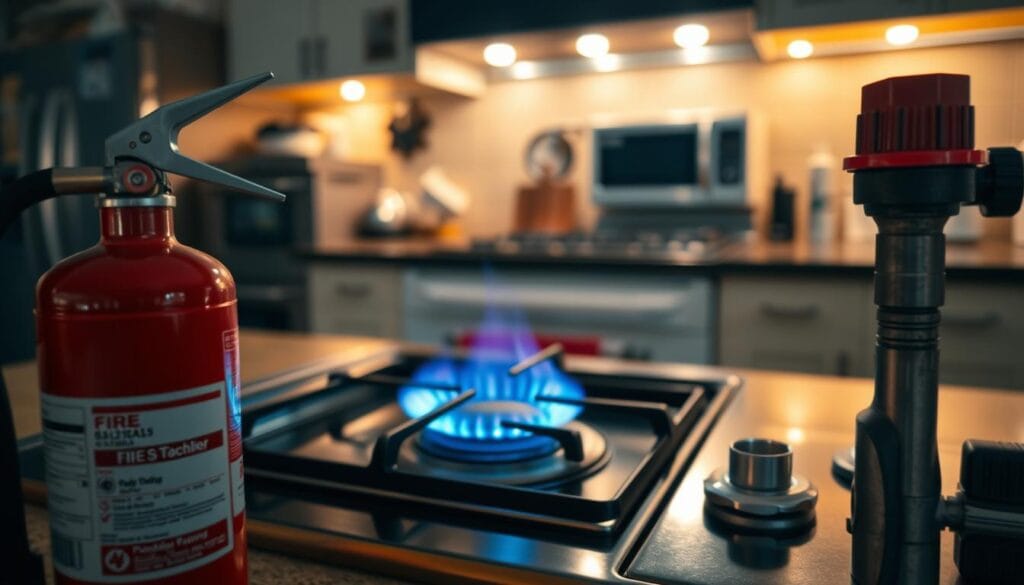
No hot water emergencies: quick checks before you call a plumber
A few quick observations can narrow down the likely causes and speed up repair. Start with simple checks at the taps and at the heater so you can describe the situation clearly when you call us.
Confirming demand, fixtures, and weather impacts
Check whether multiple fixtures show the same problem. If only one outlet lacks service, the fault is often local to that mixer or valve.
High recent usage and cold outdoor temperatures can extend recovery time even with a healthy tank. Note if you ran multiple loads or long showers just before the lack began.
Spotting warning signs: leaks, noises, and smelly water
Look for damp spots or a visible leak around the base, fittings, or the T&P valve. Small drips can signal a larger failure later.
Rumbling or popping usually means sediment has settled in the tank and is slowing heating. A sulphur-like odour points to bacterial activity; a professional flush and anode check can fix that.
| Common reason | Quick check | What we may do |
|---|---|---|
| Gas valve / pilot | Confirm gas is on and control set | Relight pilot, test thermocouple, replace valve |
| Electric supply / element | Check breaker and reset cutoff | Test element, replace failed parts |
| Thermostat or high-temp cutoff | Verify setting (122–140°F / 50–60°C) | Calibrate or replace thermostat |
| Leaking tank / sediment | Inspect base, listen for noises | Drain, flush, repair or replace tank |
- Jot down fixtures affected, smells, noises, and recent use.
- For electric units, turn off power before touching controls.
- For gas systems, confirm the unit has fuel and controls are on.
Call Lord Mechanical LTD at 604-670-3737 with your notes. We serve North and West Vancouver and will arrive prepared to diagnose and repair the heater quickly.
Gas water heater troubleshooting: pilot light, gas valve, and supply
When a gas-fed water heater falters, a few focused checks can reveal whether the issue is supply, pilot or controls.
Is the gas inlet valve fully open? The valve handle must sit in-line with the pipe to be fully open. A partly closed valve starves the burner and lengthens recovery time.
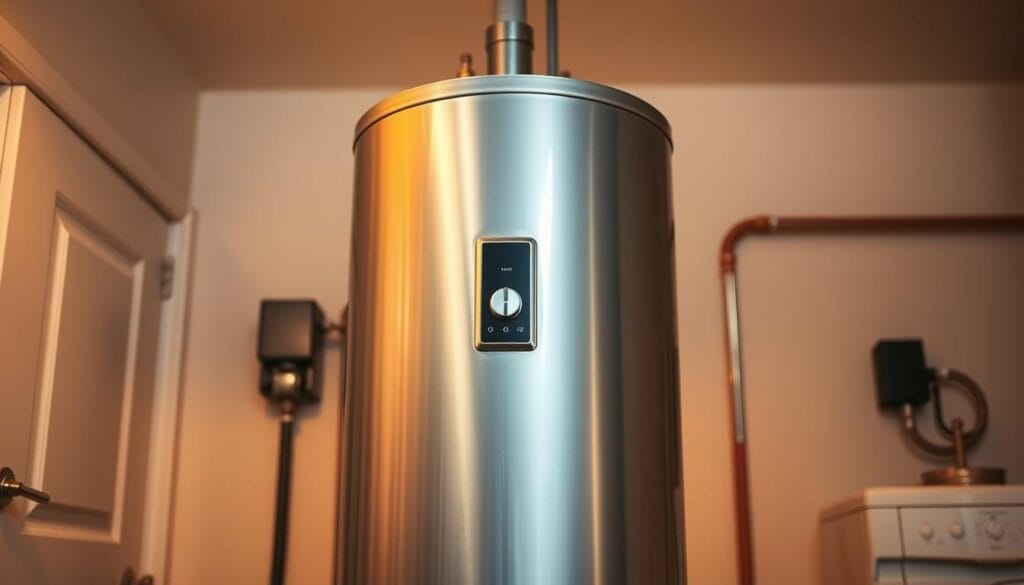
Relighting a standing pilot or using modern ignitors
For standing pilots, set the control to Pilot, depress the knob, and ignite while holding for the manufacturer’s specified time. Release only after the flame stays steady.
For units with spark or glow ignitors, never use an open flame. Use the built-in ignition and record any error codes or flashing lights if the burner won’t fire.
When a suspected gas leak requires evacuation
If you detect a sulphur-like odour, evacuate immediately and call the gas utility. Do not attempt relighting or extended troubleshooting; safety controls exist to prevent harm.
Tank size and household recovery expectations
Gas heaters usually recover faster than electric models. For example, a 40-gallon electric tank can take about four hours to recover, while a similar gas heater may take near two hours under normal conditions.
| Issue | Quick check | Likely cause | On-site action |
|---|---|---|---|
| Pilot won’t stay lit | Observe flame when control released | Failing thermocouple or dirty orifice | Replace thermocouple, clean pilot, professional repair |
| No ignition | Note error lights, check ignition clicks | Faulty ignitor or blocked supply | Test ignitor, inspect gas line, safe repair |
| Low recovery | Confirm valve alignment and recent demand | Restricted supply, undersized tank | Restore supply, consider larger tank or staggered use |
- Avoid repeated relights; this can hide supply or safety faults.
- If you must power off a fan or controls on vented models, use the labelled breaker then call us.
- For professional diagnosis and safe repair, call 604-670-3737. We serve North and West Vancouver.
Electric water heater troubleshooting: breaker, reset, thermostat, element
When an electric heater fails to deliver, follow a stepwise approach to isolate the cause. We focus first on the electrical supply, then on controls and elements.
Resetting tripped breakers and high-temperature cutoff safely
Locate the labelled circuit breaker for the water heater and reset it once. If the breaker trips again, stop and call us—recurring trips suggest a fault that needs diagnosis.
Press the high-temperature cutoff on the upper thermostat; a click usually means it reset. Investigate why it tripped to avoid repeat shutdowns.
Thermostat settings, sediment issues, and when to drain
Verify thermostat targets at 122–140°F (50–60°C). Incorrect settings cause tepid taps or scald risk.
Rumbling or popping indicates sediment in the tank. Drain and flush to remove deposits that blanket elements and slow recovery.
Signs of failed elements versus broader electrical faults
If hot water appears briefly then goes cold, a heating element or one thermostat may have failed. Persistent lack of service with no tripping often points to element failure.
Always cut power before opening access panels and treat wiring as live until you confirm it is not. Capture any status light patterns or error lights for faster water heater repair.
| Symptom | Quick check | Action |
|---|---|---|
| Breaker trips | Reset once | Stop if repeats, call for repair |
| Short supply then cold | Upper element cycle | Test/replace element |
| Rumbling tank | Listen at tank | Drain & flush |
Call Lord Mechanical LTD at 604-670-3737 for safe diagnosis and fast repair in North and West Vancouver.
Emergency actions to limit damage while you await service
Stopping inflow and directing escaping water is the single most effective step to reduce harm. First, close the cold inlet valve by turning it clockwise. This cuts the supply and slows flooding.
Draining the tank safely
Attach a garden hose to the tank drain and route it to a floor drain or outdoors. For electric units, switch off the breaker first.
For gas units, set the control to OFF and let the heater cool before touching valves. Drain slowly to avoid scalding and damage.
Managing leaks, valves and sediment build-up
Observe where a leak starts — base, fitting or a valve — and note odours or rumbling. Sediment causes noise and poor heater performance; controlled flushing often helps.
Low pressure triage
Check inlet screens and filters for blockages. Note pressure regulator settings and watch for hidden leaks — unexplained dampness or a running meter dial.
- Turn off supply at the cold inlet before draining.
- Route drain hose to a safe outlet and keep the area clear and dry.
- Document leak origin and symptoms for faster repair when we arrive.
If the issue risks damage or safety, call us at 604-670-3737 for prompt stabilisation and service in North and West Vancouver.
When to call Lord Mechanical LTD for water heater repair in North Vancouver
Certain signs mean you should stop troubleshooting and reach out for licensed plumber assistance.
Situations that require a licensed plumber immediately
- Smell of gas, active tank leakage, or visible flooding.
- A breaker that trips repeatedly or total loss of power to the unit.
- Pilot light won’t stay lit, strong sulphur odour, loud banging or popping noises.
- Zero recovery after reasonable waits or scorch marks near fittings or valves.
Details to share on the call for faster diagnosis
Tell us the heater brand and model, and whether it is a gas water heater or electric water heater.
Describe symptoms: leaks, odours, noises, or whether the hot water supply is intermittent or absent.
Also say what you tried—breaker reset, pilot relight, thermostat checks—and whether you shut off gas, power or the water supply valve.
| Urgent sign | What to tell us | How we respond |
|---|---|---|
| Gas odour / leak | Confirm gas supply status | Priority dispatch, safety hold steps |
| Power faults / tripping | Note breaker behaviour | On-site electrical checks, heater repair |
| Smelly or noisy unit | Describe odour/noise and recovery | Flush, anode or element service |
We prioritise life-safety situations and same-day service. Call us at 604-670-3737—our licensed plumber team in North and West Vancouver will guide you and arrange water heater repair or heater repair as needed.
Conclusion
Keep people safe first: isolate gas, power and inlet valves, then note odour, noise or leaks before any attempt to fix the unit.
Simple checks — breaker reset, thermostat at 122–140°F (50–60°C), or a pilot and light inspection — can stabilise the situation and avoid further damage.
Gas systems usually recover faster than electric. If you drained a leaking tank, keep valves closed and route drainage outdoors or to a floor drain until help arrives.
When you call, tell us the model, fuel type and clear symptoms. That speeds water heater repair and heater repair the right way.
Call Lord Mechanical LTD at 604-670-3737 for prompt service in North Vancouver and West Vancouver.