

What would you do if raw sewage began coming up through a toilet or drain in your North Vancouver home—could you act fast enough to protect your family and your property?
We know this situation feels urgent and frightening. A sewer backup can push contaminated water back into toilets, sinks and drains within minutes. That means health risks from bacteria and fast, costly damage to floors, walls and belongings.
We recommend immediate steps you can safely take: avoid contact with the affected water, stop using taps, and cut power in the area if it is safe to do so. Then call certified plumbers and restoration partners who can extract, disinfect and restore your home.
We serve North Vancouver and West Vancouver 24/7 and prioritise clear communication, fast mitigation, and code-compliant repairs. For prompt response, call 604-670-3737.
Key Takeaways
- Raw sewage exposure is a health hazard and spreads quickly through a home.
- Stop water use and avoid contact; shut power if safe.
- Distinguish a local clog from a system-wide problem with professional diagnosis.
- Professional extraction and disinfecting protect health and minimise damage.
- Prevent future events with regular inspections and a backwater valve.
- Lord Mechanical LTD offers 24/7 local response in North and West Vancouver.
Understanding Emergency Sewer backups and overflows in Canadian Homes
Understanding how household plumbing connects to the wider municipal network helps you spot trouble early.
Wastewater from toilets, sinks and other fixtures flows through a home’s pipes into one main sewer line. That line then links to a municipal sewer or a private septic system for treatment.
How sewer systems and main sewer lines work
Gravity moves most wastewater out to the city system. Some properties use pumps where elevation prevents flow. Cleanouts give access to the main line for clearing or inspection.
Why backups push wastewater back into toilets, sinks, and drains
A blocked pipe or a stressed public line stops flow. When that happens, wastewater can reverse and enter lower drains first. Partial obstructions often cause slow drains and gurgling before a full reversal.
- Combined systems carry storm runoff and sewage together; heavy rain can overload them.
- Camera inspection reveals roots, breaks or build-up without digging up the line.
- Fixture placement and slope determine which drain shows trouble first.
| Component | Role | Signs of trouble |
|---|---|---|
| Main sewer line | Transports wastewater to treatment | Multiple slow drains, gurgling |
| Home pipes | Links fixtures to the main line | Single toilet or sink backing up |
| Cleanout / camera | Access and diagnose obstructions | Visible blockages, root intrusion |
If you see signs of reversal or repeated slow drains, call Lord Mechanical LTD at 604-670-3737 for prompt diagnosis.
Early Warning Signs You’re Facing a Sewer Backup
Unusual smells, odd noises or wet spots are early hints that a serious problem may be developing. We urge you to watch for small changes so you can act before damage spreads.
Basement floor drain wetness and water backing up
If the basement floor drain is wet, gurgling, or overflowing, treat it as a priority. Low points in a home are where wastewater returns first when the line is obstructed.
Water pushing up into a toilet or slow-moving sinks and tubs can mean the problem is in the main line, not a single clogged fixture. Stop using taps to avoid making the situation worse.
Yard changes: pooling water, sinkholes, soggy patches
Pooled water, soft or sinking soil, and new depressions in the yard often indicate a damaged underground line. These signs show leakage and soil movement before interior backups appear.
- Note strong odours near fixtures and gurgling in toilets or drains.
- Document observations with photos and timestamps for insurance and our technicians.
- Call us at 604-670-3737 promptly so we can inspect the system before contamination reaches living areas.
Immediate Safety Steps to Take During an Active Backup
A calm, step-by-step response reduces exposure and keeps your home safer while help is on the way.
Shutting off water and electricity safely
Stop all water use immediately. This limits the volume entering the blocked line and reduces spread to the basement or low points such as a floor drain.
Before entering any standing water, shut power to the affected area at the breaker. Never step into wet areas until power is off.
Personal protective equipment and ventilation
- Wear rubber boots, gloves, eye protection, and a respirator or mask to reduce exposure to bacteria and odours.
- Open windows and doors to ventilate rooms and disperse fumes before crews arrive.
Keeping kids and pets away from contaminated areas
Keep children and pets out of affected rooms. Porous furnishings and soft goods saturated by sewage can retain contaminants and pose ongoing health risks.
| Action | Why | Immediate step |
|---|---|---|
| Stop water | Prevents further spread | Shut off taps and avoid using fixtures |
| Cut power | Reduces electrocution risk | Turn off breakers before entering wet areas |
| PPE & ventilate | Limits exposure to pathogens | Wear boots, gloves, mask; open windows |
| Call professionals | Safe extraction and disinfection | Contact Lord Mechanical LTD at 604-670-3737 |
Prompt, professional cleanup is required to restore safe conditions and reduce secondary water-related risks.
How to Diagnose the Scope: Single Fixture vs Whole-Home Issues
Start with simple checks to find out whether the problem affects one fixture or the entire system. These quick tests help us decide if a plumber can clear a local clog or if a full line inspection is needed.
Isolating a local drain clog versus a main sewer line blockage
Test one fixture at a time. If only a sink or one toilet shows slow draining, a local clog is likely and a plunger may clear it.
If multiple drains or toilets act up at once, this points to a clogged sewer line beyond the branch pipe. Flushing one toilet and watching water rise elsewhere confirms shared piping is obstructed.
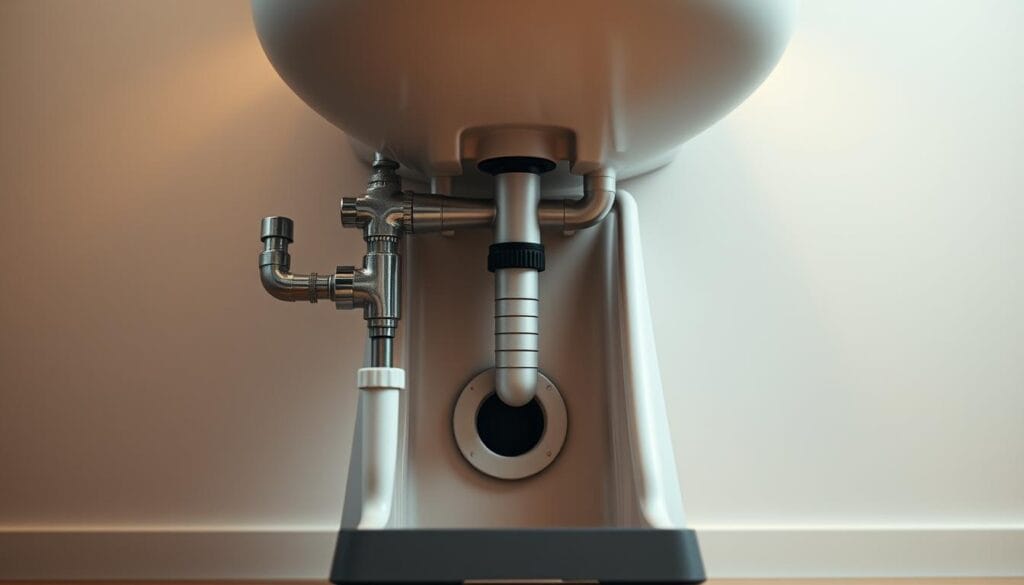
What it means if a backup occurs without running water
If a backup occurs when no water is being used, the issue is often on the municipal side or a downstream blockage forcing wastewater back toward your home. In that case, we recommend a camera inspection.
- Avoid chemical cleaners; they can harm pipes and interfere with video scoping.
- We use cleanouts and video cameras to locate roots, breaks, sags or heavy build-up.
- Temporary containment at fixture traps reduces cross-contamination while we diagnose the source.
- If the fault lies beyond your property line, we document findings and advise contacting municipal services.
When in doubt, stop using fixtures and call us at 604-670-3737 for fast, professional diagnosis.
Top Causes of Sewer Backups in North Vancouver Homes
A few common household items can quietly build into a major blockage. We list the usual causes so you can spot risks early and act before serious damage occurs.
Clogs from kitchen waste and wipes
Fats, oils and grease coat the inside of pipes. Wipes and other non-biodegradable items latch onto that coating and form stubborn obstructions.
Tree root intrusion
Roots exploit tiny cracks in older clay or cast-iron lines. Over time, roots restrict flow and can collapse sections of a sewer line.
Structural failures and storm pressure
Cracked, sagging or crushed pipe lets soil and water enter the line, causing leaks and further damage.
Heavy rainfall can overwhelm municipal systems, pushing flow back toward low-lying basements and causing repeated backups.
- Remedies range from augering and hydro-jetting to trenchless relining or full replacement.
- Installing a backflow device and regular camera inspections limit recurrence.
| Cause | Typical sign | Common repair |
|---|---|---|
| Grease & wipes | Slow drains, recurring clogs | Pipe cleaning, education |
| Roots | Localized blockages, breaks | Root cutting, relining |
| Collapsed pipe | Yard sinkage, sewage loss | Spot repair or replacement |
If you suspect a serious problem, call Lord Mechanical LTD at 604-670-3737 for a camera inspection and tailored repairs.
Health Risks and Property Damage from Sewage Exposure
Contaminated wastewater can quickly harm people and weaken building materials if not handled properly.
How sewage affects floors, walls, and belongings.
Sewage contains harmful bacteria, viruses and parasites that can cause illnesses such as gastroenteritis and E. coli infections. Direct contact or inhalation of aerosols raises immediate health risks.
Porous items—drywall, insulation, carpets and soft furnishings—absorb contaminants and often need removal to prevent lingering hazards. Wood framing, subfloors and concrete can trap moisture and support microbial growth if not dried and disinfected fast.
Mould can amplify within 24–48 hours of damp conditions, increasing long-term damage and repair costs. Category 3 water (sewage) requires stricter disposal and restoration methods than clean water events.
We use moisture mapping, selective demolition and clearance testing to verify safe conditions. Document damage with photos and itemised lists to support insurance claims. Our team follows industry standards to limit health impacts and protect your home‘s value.
“Prompt professional remediation reduces health risks and prevents secondary water damage.”
Call Lord Mechanical LTD at 604-670-3737 for immediate assessment and certified cleanup.
What To Do Right Now: Step-by-Step Cleanup and Containment
Begin with safety and documentation: small actions now guide effective restoration. Stop using any taps or appliances to limit water entering the line. If it is safe, cut power to the affected zone before entering low areas.
Document the scene. Take time-stamped photos and short videos of wet floors, the basement drain, fixtures and visible wastewater. Keep a written log of observations, who you called, and receipts.
What we do when we arrive
- We pump out contaminated water and clear the affected drain to stop active backflow.
- Unsalvageable materials are removed; porous items that retain contamination are disposed of safely.
- We apply hospital-grade disinfectants and sanitizers to reduce microbial risk.
- Negative-air units, HEPA filtration and targeted dehumidification speed drying and control odours.
After extraction: verification and re-entry
We open cavities where needed to promote airflow, then use moisture meters to confirm structural dryness. Reconstruction begins only after readings meet safe thresholds.
“Stop water use, document all damage, then call us for a coordinated, professional response.”
For immediate dispatch in North and West Vancouver, call 604-670-3737. We prioritise fast extraction, tested disinfection, and thorough drying to protect your home and reduce further damage.
Prevention That Works in Canada’s Climate
A few practical steps make your pipes more resilient to heavy rain and root pressure. We focus on proven hardware, routine inspection, smart landscaping, and simple habits you can adopt today.
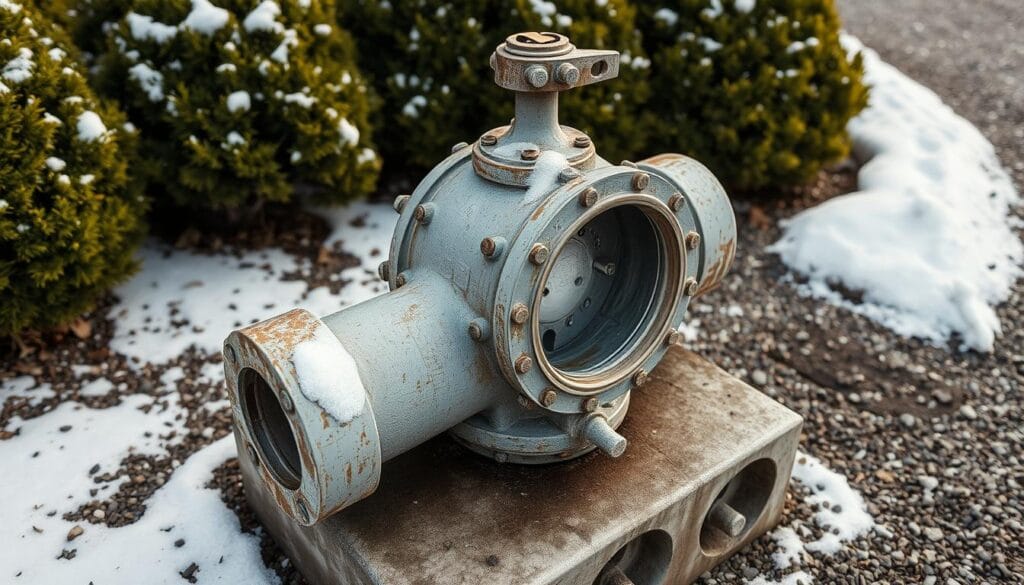
Install a backwater valve on your sewer line
We recommend a professionally installed backwater valve to stop reverse flow from the city during surges. Regular testing keeps valves functioning when storms or blockages threaten your property.
Annual camera inspections and proactive cleaning
Camera checks spot roots, sags and build-up before a full failure. Schedule annual or biennial inspections and targeted drain cleaning for trouble-prone laterals.
Landscaping and root management
Keep trees and shrubs well away from buried lines. Root pruning, root barriers, or replanting reduce pressure on pipe joints and limit future intrusions.
Smart habits: what not to flush or pour down drains
Avoid flushing wipes, paper towels or hygiene products. Never pour fats, oils and grease into kitchen drains; they form sticky blockages that attract debris.
- Turnkey prevention: inspection, cleaning, valve installation—book with us at 604-670-3737.
- Check local permits before installing devices; municipal rules vary across North Vancouver.
| Measure | Benefit | Recommended frequency |
|---|---|---|
| Backwater valve installation | Prevents reverse flow into the home | Install once; test annually |
| Camera inspection | Find roots, sags, deposits early | Yearly or every two years |
| Proactive drain cleaning | Reduces grease and debris build-up | Annually or as needed |
| Landscape management | Limits root intrusion to pipes | Ongoing; inspect before planting |
Preventive steps cut risk, lower repair costs, and keep wastewater where it belongs.
Working with Professional Plumbers and Restoration Teams in North Vancouver
We respond quickly when plumbing faults threaten a property. A coordinated approach unblocks the pipe while certified crews remove contamination and limit water damage.
When you may need both plumbing and restoration
Some incidents require two teams onsite. One crew fixes the sewer line and stops the source. The restoration team extracts contaminated water, disinfects surfaces, and prevents mould.
24/7 response, local codes, and fast mitigation
- Integrated workflow: plumbers and restorers work together to meet local code and safety standards.
- Rapid dispatch: we operate across North Vancouver and West Vancouver for fast onsite control during an emergency.
- Project clarity: clear scopes, cost transparency, and help with insurance documentation for water damage claims.
- Quality control: moisture mapping, air quality checks, and verified clearance before rebuild.
Call Lord Mechanical LTD at 604-670-3737—we coordinate the whole response so you can focus on family and business.
Insurance, Documentation, and Municipal Responsibility Basics
Quick, clear records make it easier to prove responsibility and recover costs after a sewer backup. Photograph affected areas, save receipts for cleanup, and note times when you first observed the problem.
Notify your insurer promptly. Many policies offer optional cover for sewer backups and related water damage; early notice helps preserve coverage and speeds the adjuster’s visit.
Photographs, receipts, and contacting your insurer promptly
What to collect: time-stamped photos, short videos, service invoices, and accommodation receipts. Keep a written log of calls and actions taken.
Tip: Send all documentation to your broker as soon as possible and ask about endorsements for sewer backup and code upgrade allowances.
Homeowner lateral vs city mains: who handles what
Homeowners usually maintain the private lateral up to the property line. The city maintains public mains beyond that point and may investigate events that affect multiple properties.
| Responsibility | Typical area | What to supply when filing a claim |
|---|---|---|
| Homeowner | Private lateral to property line | Photos, repair invoices, camera reports |
| City | Public mains beyond property line | Incident reports, evidence of multiple properties affected |
| Insurer / Adjuster | Policy-specific coverage | All documentation, scope estimates, receipts |
Municipal timelines can be short. If multiple homes show the same issue, report it to the city promptly so they can assess the public line. Our camera recordings and technician reports often clarify whether the fault lies on private property or the city side.
“Photographs, timestamps, and professional findings are vital when establishing responsibility or pursuing a municipal claim.”
We coordinate with your adjuster to align scope, documentation, and cost controls from day one. For local support in North and West Vancouver, call us at 604-670-3737.
Local Conditions to Watch: Heavy Rainfall, Basements, and Older Sewer Lines
Storms and saturated mains can push wastewater into lower parts of a home. During heavy rainfall, public systems may be overwhelmed and pressure can force flow back into basement floor drains and lower toilets.
Older homes with clay or cast-iron pipes face higher risk. Cracks, displaced joints and root intrusion are common in legacy lines. These faults let soil and roots enter the line and create blockages that cause a backup at low fixtures.
Seasonal checks before the rainy period reduce risk. Inspect cleanouts, test any backwater valve, and confirm gutters and grading divert surface water away from the foundation. Below-grade bathrooms and laundry rooms are most at risk when the street main is higher than the floor.
| Risk factor | Why it matters | Simple action |
|---|---|---|
| Heavy rainfall | Overloads municipal mains; raises pressure | Ensure surface drains and gutters are clear |
| Legacy clay/cast-iron line | Cracks & roots cause blockages | Schedule a camera scope and targeted repairs |
| Low basement elevation | Basement fixtures are first to show issues | Fit a backwater valve and test annually |
For mature, treed streets we recommend periodic scoping to catch root pressure early and avoid costly failures. Simple yard grading and downspout routing also reduce lateral inflow to the line.
Call Lord Mechanical LTD at 604-670-3737 for a local inspection and a practical plan to protect your home in North and West Vancouver.
Conclusion
A clear plan and quick action cut damage, protect health, and get your household back to normal fast.
We summarise the essential steps: watch for odd smells or slow drains and toilets, stop using water, secure power if safe, and call certified plumbers and restoration pros.
Diagnosis—local clog or main sewer line—guides the next move. Camera inspection, targeted cleaning, or a relined pipe may be needed to restore a secure sewer system.
Standards-based extraction, disinfection and drying prevent lingering damage and health risk. Document every step for insurers and clarify whether the private lateral or city line is responsible.
For fast, local help in North and West Vancouver, call Lord Mechanical LTD at 604-670-3737. We coordinate plumbing and restoration so you can get back home safely.