

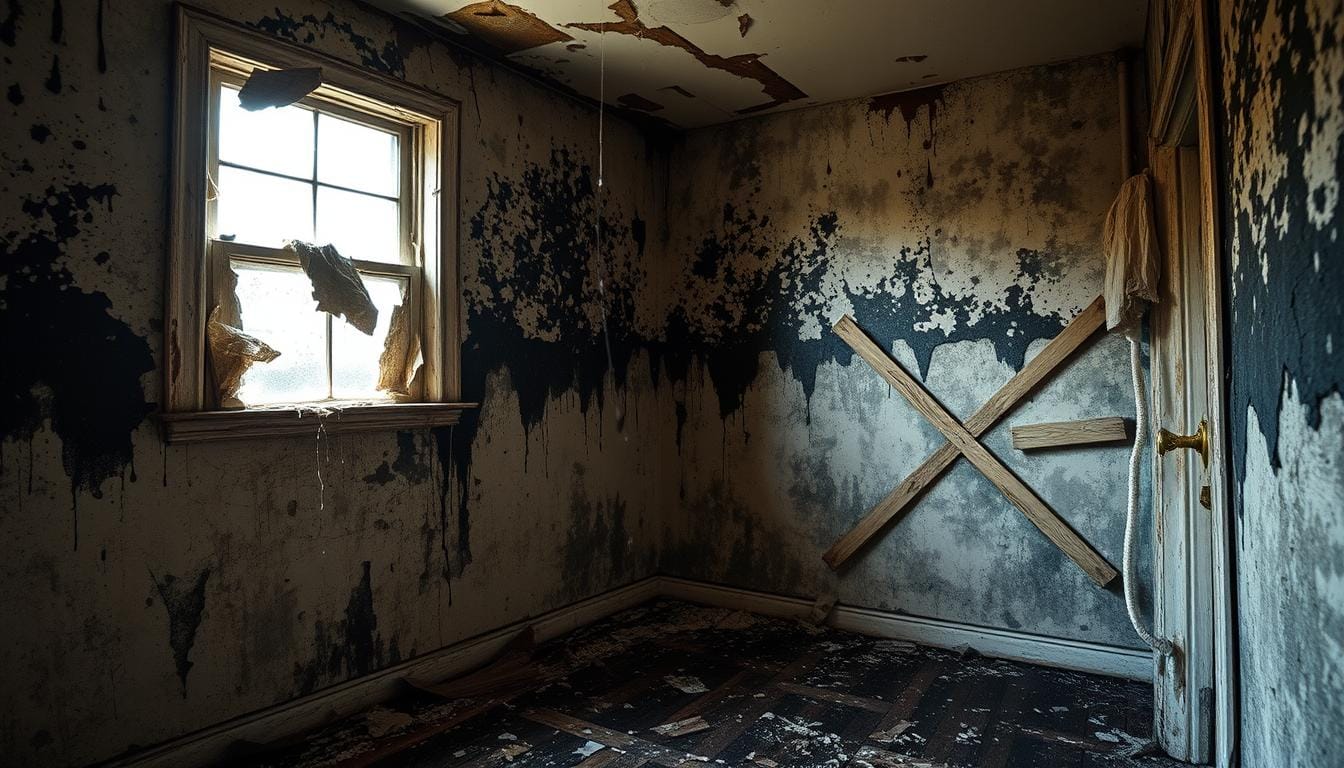
Are you sure you know the first three steps to protect your home when a sudden burst threatens your floors and belongings?
We are Lord Mechanical LTD, and we guide homeowners through fast, clear actions that limit property damage and stress. In Canada, nearly half of home insurance claims relate to water damage, so quick, calm decisions matter.
First, shut the main valve. Then, cut power where water is present. Finally, contain the spread while you call for help.
Our local team in North Vancouver and West Vancouver provides expert plumbing services and on-site support. We explain how to check appliances, roofs and foundations, and what to document for your insurer with photos and short notes.
Call 604-670-3737 for immediate, local support so you can act confidently in the first 5–10 minutes.
Key Takeaways
- Fast action reduces repair costs and disruption to your home and life.
- We show simple safety steps: stop the flow, avoid electricity, and stabilise the area.
- Document damage with photos and notes to speed claims with your insurer.
- We coordinate plumbing and restoration services to dry and repair affected areas.
- Lord Mechanical LTD is local, responsive and experienced in North and West Vancouver.
Spot the signs early and know common sources of a major water leak
A few subtle clues in your home often point to an unseen pipe or appliance problem. Catching these early saves time and reduces repair costs.
Recognizing warning signs
Look for damp patches or discoloured walls and ceilings. A musty odour in closets or basements often means moisture has settled and mould may follow.
Hear running sounds when taps are off? That persistent noise can identify a hidden water leak. Also check recent jumps in your utility bill — unexplained spikes usually mean something is running unseen.
Typical sources around the home
Indoor problems come from aged pipes, corroded fittings and worn seals. Appliances such as dishwashers, washing machines, water heaters and fridges with ice lines are common culprits; inspect hoses and door seals regularly.
Outside, clogged gutters, missing shingles and damaged flashing let rain and melt find paths into your structure. Foundation cracks from poor grading, heavy rain or roots can let moisture wick into basements.
“If you suspect a hidden source, shut the supply and call us at 6046703737 for fast isolation and support.”
- We link musty odours, damp walls and running sounds to likely sources so you can act fast.
- Check silent zones under sinks and behind appliances when bills spike.
- Winter freeze-thaw raises risk—listen for new sounds and watch for fresh staining after cold snaps.
How to respond in minutes: a step-by-step guide to Emergency Major water leaks
Start with simple, decisive moves to limit harm and protect belongings right away. We guide you through clear actions that isolate the problem and keep people safe until a pro arrives.
Shut the supply
Locate the main water shut-off valve where the main line enters the home — often in the basement, utility room or by the meter. Turn the valve clockwise to close.
If the issue is at a fixture, close that fixture valve to isolate the area and preserve the rest of the supply.
Cut power near damp areas
If you see moisture near outlets or the panel, cut power to the affected area before you step in. Safety outranks speed.
Contain, control and drain
Place buckets and towels to limit spread. For small pipe splits, a temporary clamp or plumber’s tape can slow flow until we arrive.
After shutting off, open the lowest tap and flush toilets to drain remaining pipes and relieve pressure.
- First, shut the main valve or the fixture valve to isolate the problem.
- Turn power off if electricity and moisture are near each other.
- Use towels, buckets and a temporary clamp or tape to control the leak.
- Drain lines by opening low taps and flushing toilets.
| Action | Where | Why it helps |
|---|---|---|
| Close main shut-off valve | Basement, utility room, near meter | Stops supply to entire home to prevent more damage |
| Close fixture valve | Toilet, sink, washing machine | Isolates area so other plumbing remains usable |
| Drain lines | Lowest tap, toilets | Relieves pressure and removes residual water |
| Temporary repair | Exposed pipe or split | Buys time until a licensed plumber arrives |
Document the scene with photos before and after shut-off when safe. This helps you and your insurer. Then call Lord Mechanical LTD at 604-670-3737 — we serve North Vancouver and West Vancouver and dispatch quickly to stop the problem and stabilise systems.
Safety first in an emergency water situation
Put safety first: assess electrical risks and structural warning signs before you approach affected areas. We prioritise clear, calm steps so you and your family stay safe while we prepare to respond.
Electrical and slip risks: when to shut the panel and keep clear
Water conducts electricity. If moisture reaches outlets, cords or the service panel, cut power to the impacted circuits or the whole home if you are unsure.
Keep people and pets away from slick floors. Wear non-slip shoes and avoid stepping into standing water where live wires might be present.
Structural red flags: sagging ceilings, swollen walls, and unsafe floors
Watch for sagging ceilings, swollen wallboard or buckled flooring. These signs often mean pooled moisture overhead or hidden saturation that can fail suddenly.
Do not poke or press a bulging ceiling. The trapped water can release without warning and cause injury or more damage.
“If you see electrical contact or structural distress, prioritise safety and call us at 6046703737 for fast guidance and response.”
- If water approaches outlets, appliances or the electrical panel, shut power to the impacted area before doing anything else.
- Keep family and pets clear of slick floors; avoid ceiling bulges that could burst and release pooled water.
- Treat unknown water as potentially contaminated—protect skin and limit tracking through the home.
- Note odours or discolouration that suggest sewage or greywater; this changes cleanup protocols.
| Hazard | What to watch for | Immediate action |
|---|---|---|
| Electrical contact | Wet outlets, sparking, buzzing | Shut circuits or main panel; stay clear |
| Ceiling collapse | Bulging, sagging, dark stain | Keep clear, do not poke, call professionals |
| Floor instability | Soft, spongy, buckling boards | Avoid load; rope off the area until assessed |
| Contaminated pooling | Strong odour, discolouration | Wear protective gear; limit exposure |
We secure the scene on arrival, isolating hazards, assessing structural issues and stabilising the area before repair work begins. Call Lord Mechanical LTD for local support in North Vancouver and West Vancouver at 6046703737.
Limit water damage fast: drying, ventilation, and preventing mould growth
Acting within the first day makes the biggest difference to drying and mould prevention in a flooded room.
We focus on three quick goals: protect belongings, remove moisture, and stop microbial growth. Follow safe steps and track the time you start each action.
Protect belongings and isolate dry areas
Move valuables and electronics first. Lift furniture on blocks or aluminium foil to keep legs out of standing water and reduce staining.
Create containment by closing doors to unaffected rooms and laying towels at thresholds to slow migration.
Drying and ventilation within 24–48 hours
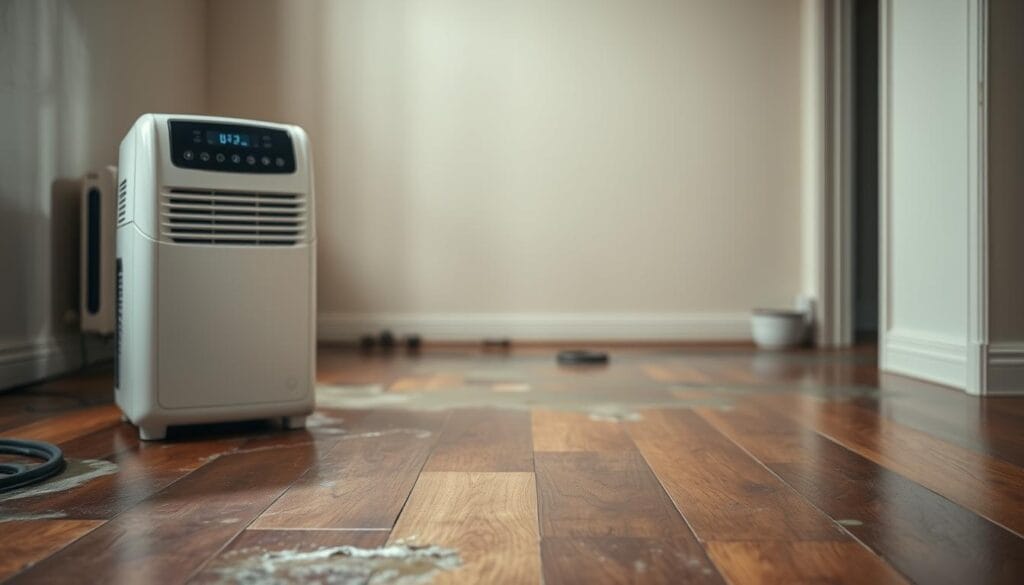
Mould can begin to grow in 24–48 hours. Start drying immediately: open windows if weather allows, run fans and a dehumidifier to pull moisture from air and surfaces.
Remove wet rugs and pads where feasible. If carpets are soaked, taking up pads speeds drying and helps prevent odour and further damage.
Basement checks and sump pump care
Verify your sump pump is working and discharge lines are clear before heavy rain or thaw. Monitor the basement for rising levels or recurring seepage.
Bag unsalvageable materials and remove them promptly to cut microbial growth. Keep a simple log with time stamps showing your steps — this supports claims and shows you worked to prevent damage home.
| Task | When | Why it helps |
|---|---|---|
| Move electronics | Immediately | Prevents short circuits and loss of equipment |
| Lift furniture | Within first hour | Reduces staining and speeds floor drying |
| Ventilate and dehumidify | Within 24–48 hours | Deters mould growth and lowers humidity |
| Check sump pump | Before storm or during drying | Prevents recurring basement flooding |
We can help if drying is difficult or you spot early mould growth. Call Lord Mechanical LTD in North Vancouver and West Vancouver at 6046703737 for fast guidance and on-site support.
Document, call insurance, and understand Canadian coverage
Begin documenting damage the moment it’s safe—clear records make claims smoother and faster.
About half of Canadian home claims relate to water damage, so good documentation matters. Start a short log with times and actions. Add clear photos and brief videos showing flow, stains and affected contents.
Take clear photos, videos, and notes for your claim
Photograph the source area, the path of the water and close-ups of damaged materials. Capture room overviews and itemised shots of contents. Include serial numbers or receipts when possible.
Contact your insurer promptly and follow claim steps
Start your claim quickly and tell your adjuster what you have done to limit damage. Ask about any required mitigation steps and their preferred restoration vendors.
Coverage basics in Canada: sewer backup, overland water, and sudden events
Know the basics: standard policies often exclude overland flooding and storm surge. Sewer backup usually needs an endorsement. Sudden and accidental events are generally covered; ongoing seepage or maintenance issues often are not.
| Item | What to capture | Why it helps |
|---|---|---|
| Source and path | Close-ups, flow video, timestamps | Shows cause and timing for the claim |
| Damaged contents | Item photos, serials, receipts | Supports valuation and replacement |
| Mitigation steps | Notes, invoices, contractor names | Demonstrates you limited further damage |
Keep a file with documentation, invoices and a timeline. Good records support a fair settlement and speed the process. We can coordinate with your insurer and restoration team to match drying goals and repairs. Call Lord Mechanical LTD in North Vancouver and West Vancouver at 6046703737 for help with documentation and the claim process.
Call local plumbing and restoration experts in North Vancouver
A clear, concise call with key details helps us arrive prepared and fix problems faster. Tell us the shut-off status, the visible source and which rooms are affected. This speeds diagnosis and reduces time on site.

What to tell the plumber: shut-off status, source, affected areas and photos
When you call 604-670-3737, tell us if the main or fixture shut-offs are closed and whether power is off in the affected area. Describe the suspected source leak (for example, a washing machine hose, water heater, or pipe under a sink) and note active dripping or pooling.
Send quick photos so we can size the response. Clear images let us bring the right tools and materials for fast, code-compliant repairs and drying.
“Clear communication up front shortens downtime and reduces the scope of repairs.”
- Share which floors and rooms are impacted so crews match equipment to the space.
- We advise temporary containment, give an ETA and prioritise urgent calls in North Vancouver and West Vancouver.
- On arrival we isolate the source, stabilise systems and outline next-step repairs and restoration services.
- If hidden issues are suspected, we recommend minimally invasive inspections to find the root cause.
| Dispatch detail | Why it matters | What we bring |
|---|---|---|
| Shut-off status (main/fixture) | Confirms supply control and safety | Isolation tools, valves, safety gear |
| Visible source or suspected source leak | Helps plan repairs and parts | Pipe repair kits, hoses, replacement parts |
| Rooms/floors affected + photos | Determines equipment size and drying needs | Fans, dehumidifiers, drying mats |
| Power status and hazards | Ensures safe entry and work plan | Lockout tools, coordination with electricians |
We coordinate drying targets and monitor moisture to help prevent mould while planning permanent repairs. Call Lord Mechanical LTD at 604-670-3737 for prompt plumbing services and repairs across North Vancouver and West Vancouver.
Prevent the next leak: maintenance and smart tech
Routine checks and small upgrades stop many issues before they start. Regular care protects your home and saves time and repair costs.
Plumbing and appliances: hoses, connections, water heaters, and washing machines
Inspect appliance supply lines under sinks and behind fridges and dishwashers. Replace rubber washing machine hoses every five years or sooner if you see wear.
Consider braided stainless lines and secure fittings to reduce the chance of a burst. Flush your water heater and check pans and relief lines per the manufacturer’s guidance.
Roof and gutters: clearing downspouts and replacing worn shingles
Clean gutters each season and extend downspouts away from the foundation. Replace cracked or missing shingles to stop moisture from reaching the source of a problem.
Foundation and landscaping: grading, sealing cracks, and tree root care
Regrade soil so it slopes away from the house and seal minor foundation cracks. Manage large roots that press on pipes or the foundation to reduce sump pump calls and basement seepage.
Smart leak detection and automatic shut-off devices
Install smart moisture sensors under sinks and near appliances. Pair sensors with an automatic shut-off valve on the main water supply so the valve closes if a leak is detected.
We can spec and install whole-home detection tuned to your layout and usage, helping prevent damage home before it grows.
- Replace washing machine hoses every 5 years; prefer braided lines.
- Test your sump pump and float switch before storms.
- Schedule annual plumbing inspections to find small leaks and pressure problems early.
- Keep a quick-response checklist by the water shut-off so anyone can close the main water in seconds.
| Task | Why | When |
|---|---|---|
| Hose replacement | Prevents rupture and sudden supply loss | Every 5 years or if showing wear |
| Gutter clearing | Protects foundation and reduces basement seepage | Seasonally |
| Smart sensors + valve | Detects moisture and stops flow fast | Install once; test yearly |
We install and advise on practical upgrades for North Vancouver and West Vancouver homes. Call Lord Mechanical LTD at 6046703737 to schedule an inspection or whole-home protection plan.
Conclusion
Fast steps taken in the first minutes limit damage and speed restoration for your home.
Shut the main supply, cut power near wet areas, contain spread, drain lines and document the scene. These steps reduce harm and give our plumbing team a clear path to repairs.
Act within 24–48 hours to start drying and stop mould growth, especially in the basement and behind finishes where moisture hides.
If you cannot find the source or the situation feels unsafe, call us. We isolate the problem, plan targeted repairs and help with insurance documentation.
Label your shut-off valve, teach household members the steps, and consider smart sensors or an automatic shut-off to protect the property.
For fast, local support in North Vancouver and West Vancouver call Lord Mechanical LTD at 604-670-3737.