

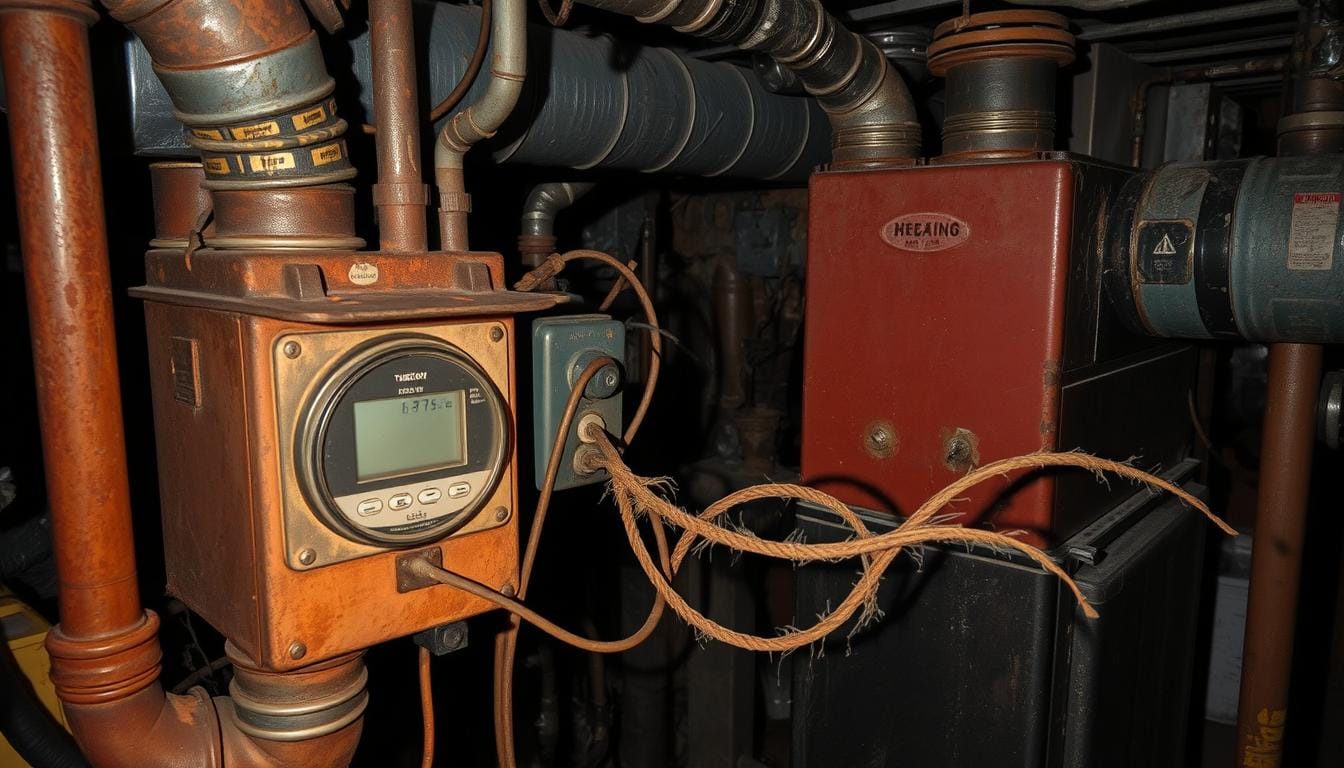
Have you ever wondered why your home goes cold when you need warmth most? In North Vancouver winters, a minor fault can become a major problem fast. We see clogged filters, thermostat errors and ignition faults that cut heat and raise energy costs.
Blocked vents and damaged ductwork reduce air flow and make systems work harder. Motors and bearings wear with time, and undersized units struggle during cold snaps. Regular maintenance keeps your heating system efficient and lowers long‑term costs.
We guide you through quick checks you can do, how to tell urgent issues from small glitches, and when to call a qualified HVAC service. As local advisors—Lord Mechanical LTD serving North and West Vancouver—we set realistic response timelines to protect comfort and property.
Call us at 6046703737 for prompt, professional service and peace of mind this winter.
Key Takeaways
- Routine maintenance reduces the chance of sudden failures and saves energy costs.
- Common causes include dirty filters, thermostat errors and airflow blockages.
- Simple checks can reveal whether an issue is urgent or a minor fix.
- Local response times matter—Lord Mechanical LTD covers North and West Vancouver.
- Call 6046703737 for expert HVAC service when you need fast, safe help.
What counts as an emergency heating failure in North Vancouver right now
A sudden loss of heat during a coastal cold snap can put pipes and people at real risk. We define a critical event when a complete shutdown occurs during freezing conditions, especially overnight or during a prolonged winter cold snap.
Immediate risks include frozen pipes that can burst, visible water leaks that threaten finishes, and odours that suggest a gas leak. Loud banging, persistent rattling, or a sulphur (rotten egg) smell are clear signs you need fast help.
When “no heat” becomes urgent versus a minor problem
We treat a full shutoff or continuous short cycling under load as urgent. If heat briefly drops after a power blip but returns, that is likely a minor problem you can book for routine service.
- Urgent: no sustained heat, gas odour, tripped CO alarms, visible leaks, or severe airflow loss.
- Non-urgent: slight temperature drift, occasional cold spots, or intermittent thermostat glitches.
“If the heating won’t reach the setpoint, odours persist, or leaks appear, shut the unit down and call for professional help.”
We serve North and West Vancouver. Call 6046703737 for prompt assessment and safe repairs.
Safety-first actions to take the moment your heat stops
When your home loses heat, the first priority is keeping people safe while limiting further damage. We walk you through calm, clear steps to assess risk and buy time before professional help arrives.
Powering down safely and checking breakers and gas supply
Cut power at the thermostat and, if needed, at the electrical panel when you detect smoke, loud banging, or strong odours. Check breakers and any furnace service switch. Reset a tripped breaker once, then monitor — repeated trips indicate deeper problems.
Ventilation, carbon monoxide alarms, and when to evacuate
Test CO alarms immediately. If an alarm sounds or anyone feels dizzy, open doors and windows and evacuate. If you smell gas, leave at once and call emergency services from a safe location.
Quick checks you can do: thermostat, air filters, and vents
Set your thermostat to Heat and raise the setpoint 2–3°C. Replace dead batteries and check schedule or hold settings.
Inspect filters and swap clogged ones to restore airflow and reduce unit strain. Walk rooms to ensure supply and return vents are open and clear of obstructions.
“If safety signs persist or the unit still fails after checks, stop troubleshooting and call a licensed HVAC pro.”
Call Lord Mechanical LTD at 6046703737 for fast, professional service across North and West Vancouver.
How to troubleshoot common heating systems at home (without risking damage)
A calm, step-by-step approach reduces risk when diagnosing home heating issues.
Gas furnaces: pilot, noises and odour checks
Confirm the thermostat is calling for heat before looking at the pilot or igniter. One reset of an electronic igniter is acceptable.
If you smell sulphur or gas, leave immediately and call authorities. Repeated ignition failures or loud banging mean stop and call for repair.
Heat pumps: frost, ice and short cycling
Light frost is normal. A full defrost cycle should clear it.
Persistent ice often points to airflow, control board or refrigerant issues. Short cycling may come from thermostat placement, dirty filters or low refrigerant.
Boilers: leaks, pressure and noisy operation
Scan valves and connections for visible leaks and check the pressure gauge. Gurgling or banging can signal trapped air; bleeding radiators may help.
Radiant floor heating: cold spots and hidden leaks
Map cold areas to locate loop issues. Wet patches suggest a leak under the floor and require specialist testing; avoid DIY invasions.
| System | Common signs | Likely causes | Safe first action |
|---|---|---|---|
| Gas furnace | No ignition, banging | Pilot/igniter, blower parts | Confirm thermostat, one reset |
| Heat pump | Ice build-up, short cycles | Defrost control, filters, refrigerant | Check filters, observe defrost |
| Boiler | Leaks, gurgling | Seals, pressure, trapped air | Check pressure, bleed radiators |
| Radiant floor | Cold spots, damp | Loop faults, hidden leaks | Map spots, call specialist |
Limit DIY to visual checks, filters, vents and thermostat tweaks; leave gas, electrical and refrigerant work to licensed pros.
Need assistance in North or West Vancouver? Call Lord Mechanical LTD at 6046703737 for prompt, safe repair and advice.
Emergency Heating system failures: top causes and fast fixes to consider
Small airflow restrictions often start as a tiny clog but can quickly force equipment to run nonstop.
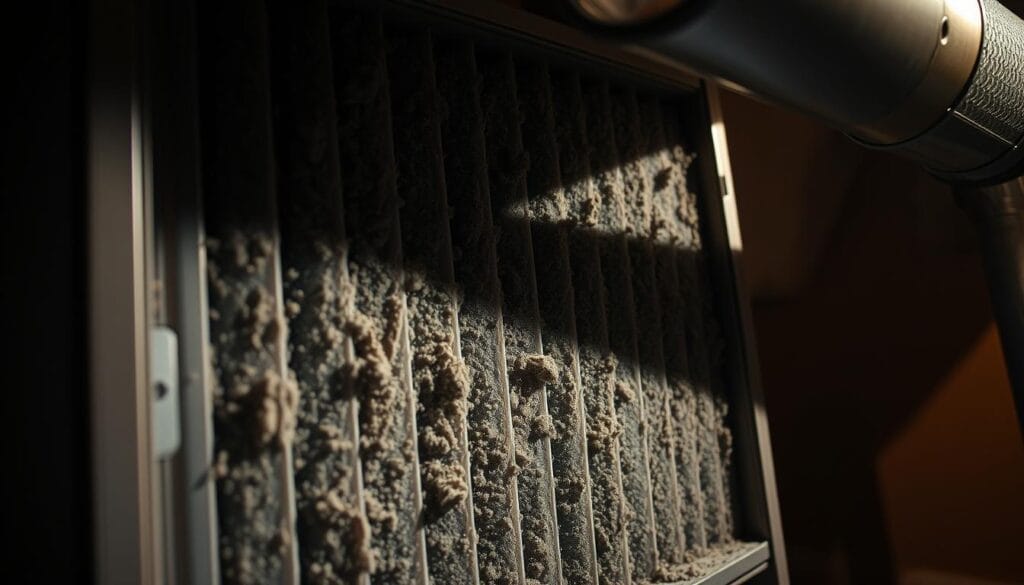
We list the most common causes you can check quickly and the safe fixes you can try. These steps save time, reduce energy costs, and protect components from premature wear.
Dirty or clogged filters and poor airflow
Clogged filters lower airflow, overheat exchangers, and reduce indoor air quality. Replace or clean filters first to restore airflow and improve heating efficiency.
Thermostat miscalibration and connectivity issues
A miscalibrated thermostat causes uneven heat or no call for heat. For smart units, confirm Wi‑Fi, correct schedule and fresh batteries before scheduling a repair.
Ignition faults, worn parts, and overworked equipment
Dirty burners, failing sensors, worn motors and bearings all reduce performance. These faults can create noise, short cycling, or a failure to start; treat ignition and electrical faults as urgent and call a pro.
- Restore airflow first: change filters to prevent limit trips and protect components.
- Check thermostat: recalibrate, replace batteries, or confirm connectivity on smart models.
- Call for ignition or component repair: avoid DIY on burners, gas lines or motors.
- Reduce long-term strain: improve insulation and seal drafts to lower energy costs and extend life.
| Cause | Common signs | Quick fix | When to call |
|---|---|---|---|
| Clogged filters | Low airflow, hot short cycles | Replace filters, check vents | If limit trips continue |
| Thermostat issues | Uneven rooms, no call for heat | Recalibrate, reset Wi‑Fi, replace batteries | If schedule or control fails |
| Ignition & worn parts | No start, strange noises, smell | Do not DIY—shut down and call | Any ignition fault or repeated noise |
“Simple maintenance boosts efficiency, cuts energy costs, and helps avoid costly repairs at peak times.”
Need us in North or West Vancouver? Call Lord Mechanical LTD at 6046703737 for fast inspection, repair and scheduled maintenance.
Critical warning signs you should not ignore
Detecting unusual odours or water near equipment is a clear cue to act fast. These signs help you spot problems early and avoid greater damage to your home.
Unusual smells, CO alarms and visible leaks
Treat sulphur or rotten‑egg smells as potential gas leaks. If you smell gas, leave the house and call the utility and an HVAC professional from a safe location.
If a carbon monoxide alarm sounds, evacuate, ventilate if safe, and wait for authorities. CO is life‑threatening and can show without other warning signs.
Visible water or pooled leaks around boilers and furnaces can damage floors and structure. Pooled water often means failed seals or valves and needs prompt repair.
Persistent noises, no heat and sudden energy spikes
Banging, gurgling or screeching points to failing parts or internal component trouble. Running the unit while it makes these sounds risks further damage.
A sudden jump in energy costs with no change in use usually signals malfunctions, blocked airflow or hidden leaks in the hydronic or refrigerant side.
No heat during cold weather is a critical failure risk—protect pipes and schedule immediate diagnosis.
| Warning | Likely cause | Immediate action |
|---|---|---|
| Sulphur / gas smell | Gas leak | Evacuate, call utility and HVAC pro |
| CO alarm | Combustion issue | Leave, ventilate if safe, call authorities |
| Pooled water | Seal/valve leak | Turn off unit, call service |
| Noise & bill spike | Failing parts / inefficiency | Shut down, arrange inspection |
“When in doubt, power down the heating equipment and call a licensed pro to avoid compounding damage.”
Need help in North or West Vancouver? Call Lord Mechanical LTD at 6046703737 for fast, safe assistance.
Prevent breakdowns before they happen: maintenance and preparedness
Catching wear early with scheduled tune‑ups saves energy and extends the life of your equipment. We recommend bi‑annual checks to spot worn parts, calibrate controls, and confirm safe operation before winter demand rises.
Seasonal tune-ups, filter schedules, and ductwork inspections
Schedule regular maintenance in spring and fall. Technicians inspect combustion, controls, and moving parts to keep the unit reliable.
Replace or clean filters every 1–3 months to protect equipment and improve indoor air quality. Inspect ducts for leaks and obstructions to restore balanced airflow and reduce energy costs.
Home readiness: insulating, sealing drafts, and an HVAC emergency kit
- Weatherize: insulate attics, seal window and door drafts, add door sweeps to cut run time.
- Build a basic HVAC kit: portable electric heaters, surge protectors, heavy‑duty extension cords, and CO alarms with fresh batteries.
- Use thermostats wisely: moderate setpoints and consider a smart thermostat for alerts and efficient scheduling.
- Join a planned service program for priority visits and predictable regular maintenance.
| Action | Benefit | When to do it |
|---|---|---|
| Bi‑annual tune‑up | Detect wear early, safer operation | Spring and fall |
| Filter replacement | Improved airflow and efficiency | Every 1–3 months |
| Duct inspection | Lower heat loss, balanced rooms | Annually or with remodels |
| Emergency kit | Maintain comfort and safety if service is delayed | Before winter |
“Regular maintenance cuts costs and keeps your home safe and comfortable all season.”
Need help in North or West Vancouver? Call Lord Mechanical LTD at 6046703737 for scheduled service, winter prep, and fast, professional support.
When to call a professional in North Vancouver and what to expect
If your home loses reliable heat or a unit behaves erratically, timing matters for safety and costs. We recommend calling when basic checks — filters, breakers and thermostat settings — do not restore normal operation.
What to share on the call to speed up diagnosis
Tell us the equipment type, age, and any recent work. Note thermostat settings, filter condition, breaker trips, error codes, odours or visible leaks.
Clear details help technicians prepare and reduce time without heat.
24/7 service, safety checks, and code‑compliant repairs
We offer 24/7 service across North and West Vancouver. On arrival we perform combustion checks, electrical testing, and code‑compliant repairs to restore safe operation.
We avoid DIY on gas, electrical, or refrigerant work because it risks injury and extra costs. Our technicians carry common parts to complete many repairs on the first visit.
Call 604‑670‑3737 for urgent repairs and regular maintenance
Call Lord Mechanical LTD for fast, professional service, transparent estimates, and warranties on completed work. If you suspect a gas leak or CO issue, evacuate first, then call; we coordinate with utilities and return when it’s safe to repair your heating system.
| When to call | What we do | Benefit |
|---|---|---|
| No heat, persistent noises, odours | Safety checks and diagnostics | Fast, safe repair |
| Short cycling or leaks after checks | Code‑compliant repairs | Reduced repeat visits |
| Scheduled tune‑ups | Preventive maintenance | Lower long‑term costs |
“Clear symptoms and prompt contact help us restore heat safely and limit disruption to your home.”
Conclusion
Quick, calm action protects people, pipes and possessions when your heating output falls unexpectedly.
We recommend prioritizing safety, running simple checks, and avoiding risky DIY. Clean filters and keep vents open to maintain good air flow and steady heat in your home.
If you detect persistent odours, loud noises or visible leaks, power down the unit and call for professional repairs. Early action limits damage, lowers long‑term costs and reduces the chance of a full breakdown.
Routine maintenance keeps heating and air conditioning systems reliable through winter. For fast, expert service in North and West Vancouver, call Lord Mechanical LTD at 604‑670‑3737. We’ll restore comfort and peace of mind.