

Have you ever wondered why one slow sink can cripple a business or turn a family evening into a stress-filled cleanup?
We help North Vancouver and West Vancouver homes and storefronts diagnose and fix a drain issue quickly. Our goal is to keep water moving, reduce downtime and protect fixtures.
We explain the main ways clogs form — hair, grease, soap residue and food debris — and how kitchen, bathroom and commercial drains behave differently.
Our approach covers safe DIY steps like the plunger and hand snake, a natural baking soda and vinegar reaction, enzymatic maintenance and when stronger chemical options or a licensed plumber are needed.
We prioritise safety and Vancouver plumbing basics before any tool touches your sink. If you smell sewage, hear gurgling, or see multiple fixtures backing up, call us at 604-670-3737 for fast support.
Key Takeaways
- We diagnose and act fast to keep water flowing and reduce business downtime.
- Common causes include hair, grease, soap and food; different drains behave differently.
- Safe DIY options exist, but know when to call a licensed plumber.
- We protect fixtures and pipes to avoid unnecessary damage.
- Local knowledge of older Vancouver buildings helps prevent repeat problems.
- Call 604-670-3737 for fast, professional help in North and West Vancouver.
Before You Start: Safety, Tools, and Vancouver Plumbing Basics
A quick safety and tools check can save time and prevent costly damage to fixtures and piping.
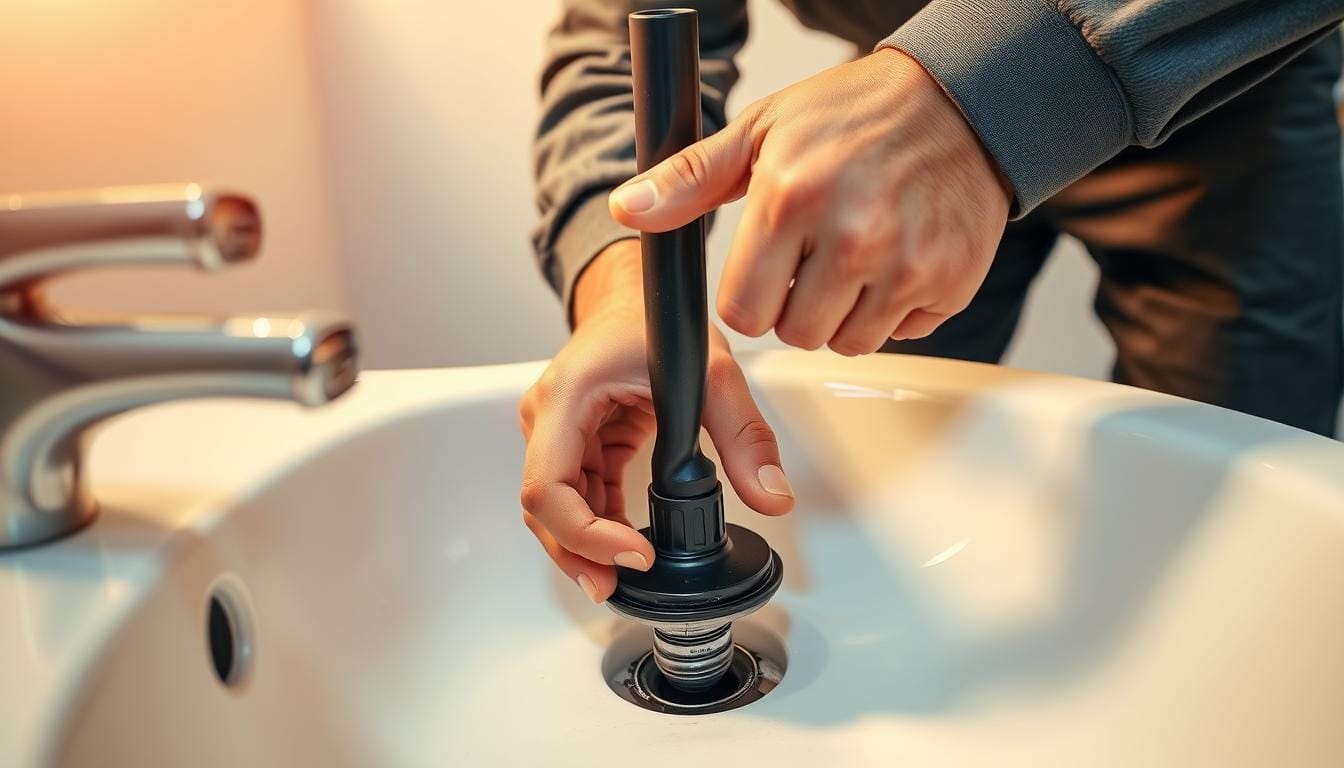
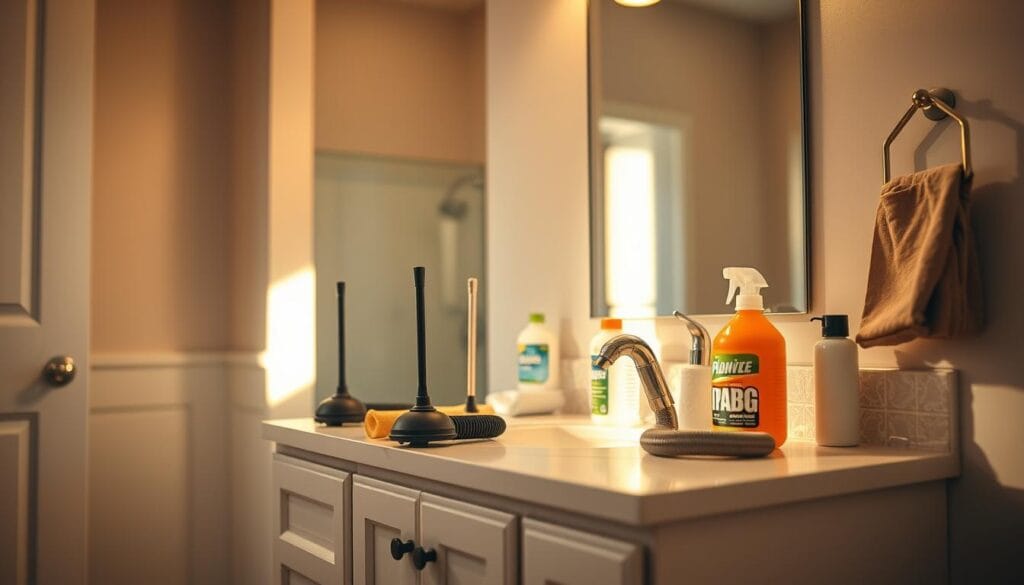
We recommend assembling a basic DIY kit before you begin. Include a cup and flange plunger, a 15‑foot manual hand snake, needle‑nose pliers, a bucket, rags, petroleum jelly and protective gloves and eyewear.
Staging the workspace helps. Remove the stopper or strainer, position a bucket under accessible traps and have towels ready for spills.
Safety first
Ventilate the room and wear gloves and eye protection. Evaluate materials because pouring boiling water into a porcelain sink or PVC pipes can cause cracks or warping.
When plunging, add 2–3 inches of standing water for a tight seal. Apply petroleum jelly to the plunger rim and cover the overflow with a wet cloth to maximise force transfer.
Setting up and using basic tools
To use a hand snake, remove the stopper, feed the cable slowly and twist to engage debris. Pull gently to avoid scratching finishes and flush with hot water when clear.
| Tool | Use | Typical time |
|---|---|---|
| Flange plunger | Seal and dislodge local obstructions in a sink | 5–15 minutes |
| 15‑ft hand snake | Reach and extract hair and debris from bends | 10–30 minutes |
| Needle‑nose pliers & rags | Pull visible debris; protect finishes | 5–10 minutes |
Know when to call a pro
Try DIY steps for a single slow sink or a localised clog without odour or multiple backups. Call a plumber promptly if several drains back up, you smell sewage, hear gurgling, or clogs recur quickly.
Need help in North or West Vancouver? Call us at 604-670-3737 for expert advice from Lord Mechanical Ltd.
Clog removal
Begin with the least invasive methods; they solve most household drain issues.
Use a plunger
Remove the strainer or stopper and cover the overflow with a wet cloth. Add 2–3 inches of standing water so the cup seals, apply petroleum jelly to the rim, then plunge steadily for 15–30 seconds.
Test the water. If flow returns, flush with hot water and reinstall the strainer.
Snake the drain
Remove the stopper, feed a 15‑ft hand snake, and twist to follow bends until you hit resistance. Hook hair and debris with the barbed tip and pull out slowly.
Natural reaction
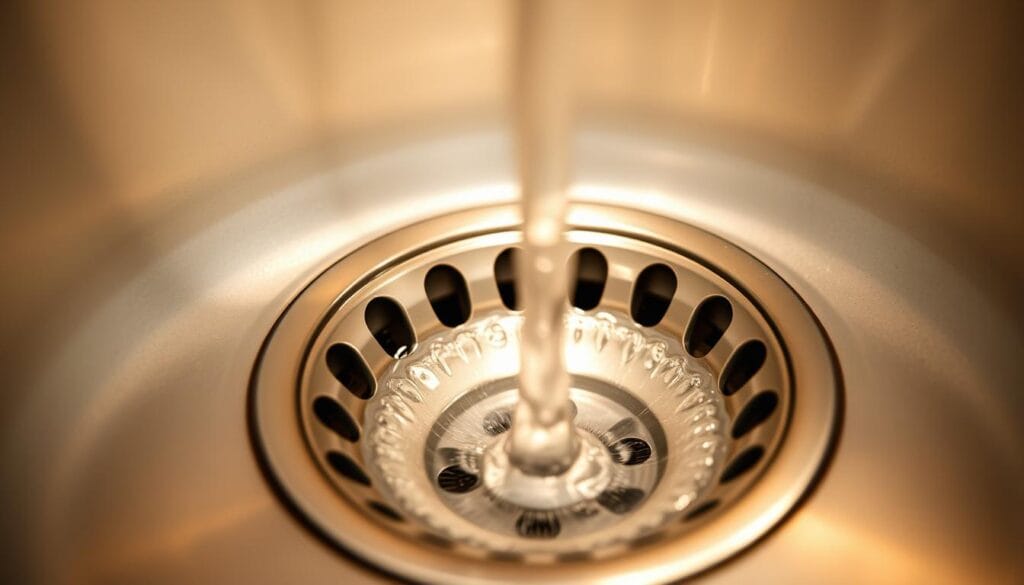
Run hot water for 2–3 minutes. Pour 1/2 cup baking soda, then 1/2 cup white vinegar and cover the drain. Wait 15–20 minutes then flush with hot water.
Use boiling water only if your pipes and fixtures tolerate it; porcelain and PVC can be damaged.
Enzymatic and chemical options
Enzymatic cleaners work overnight to break down grease and soap scum. Follow the label, then flush warm water.
For stubborn problems, use a commercial drain cleaner as directed: 16 oz for a slow drain, 32 oz for a complete block; wait 15–30 minutes and flush with hot (not boiling) water.
“After any method, run hot water for 2–3 minutes and test the water drain to confirm steady flow.”
Still can’t unclog drain? Call Lord Mechanical Ltd. at 604-670-3737 for fast service in North and West Vancouver.
Preventing Future Clogs and Fixing Common Trouble Spots
A short, regular maintenance plan keeps water moving and saves time and repair costs. We recommend simple checks for busy homes and commercial kitchens in North and West Vancouver.
Hair and soap scum in showers and bathtubs
Remove the stopper and inspect the opening. If you see hair, use needle‑nose pliers to pull it out gently.
If no hair is visible, the blockage may sit a little further in the pipes. Schedule a monthly enzymatic treatment to soften soap scum and hair mats.
Kitchen sink best practices
Never pour grease down the kitchen sink. Collect cooled grease in a container and discard it with the garbage.
Wipe oily pans with a paper towel before washing and use a fine‑mesh strainer to catch food particles. For busy kitchens, run an enzyme cleaner overnight weekly to reduce grease and scum.
- Routine: monthly home cleaning; weekly for restaurants and cafés.
- When to call us: persistent sink clog, repeated backups, or sewer odour—call 604-670-3737.
“Preventive care is the most cost‑effective way to keep drains and pipes functioning.”
Conclusion
Start with the least invasive method and give each approach time to work. We covered the safest ways to restore flow: smart prep, a proper plunger seal with standing water, the 15‑ft snake for reach, a measured baking soda and vinegar mix, enzymatic maintenance and careful chemical cleaner use.
After any step, flush with hot water to confirm a steady water drain. If you try a half‑cup + half‑cup natural mix, allow the reaction and then run hot water. Let each method have enough time to act before moving on.
For kitchen and bath care, keep strainers, limit grease, pull visible hair, and keep up routine cleaning to protect drains and your sink.
If a clog returns or you cannot unclog drain, the problem may be deeper. Call Lord Mechanical LTD at 604-670-3737 for same‑day service in North and West Vancouver and fast help with persistent clogs and drain issues.