

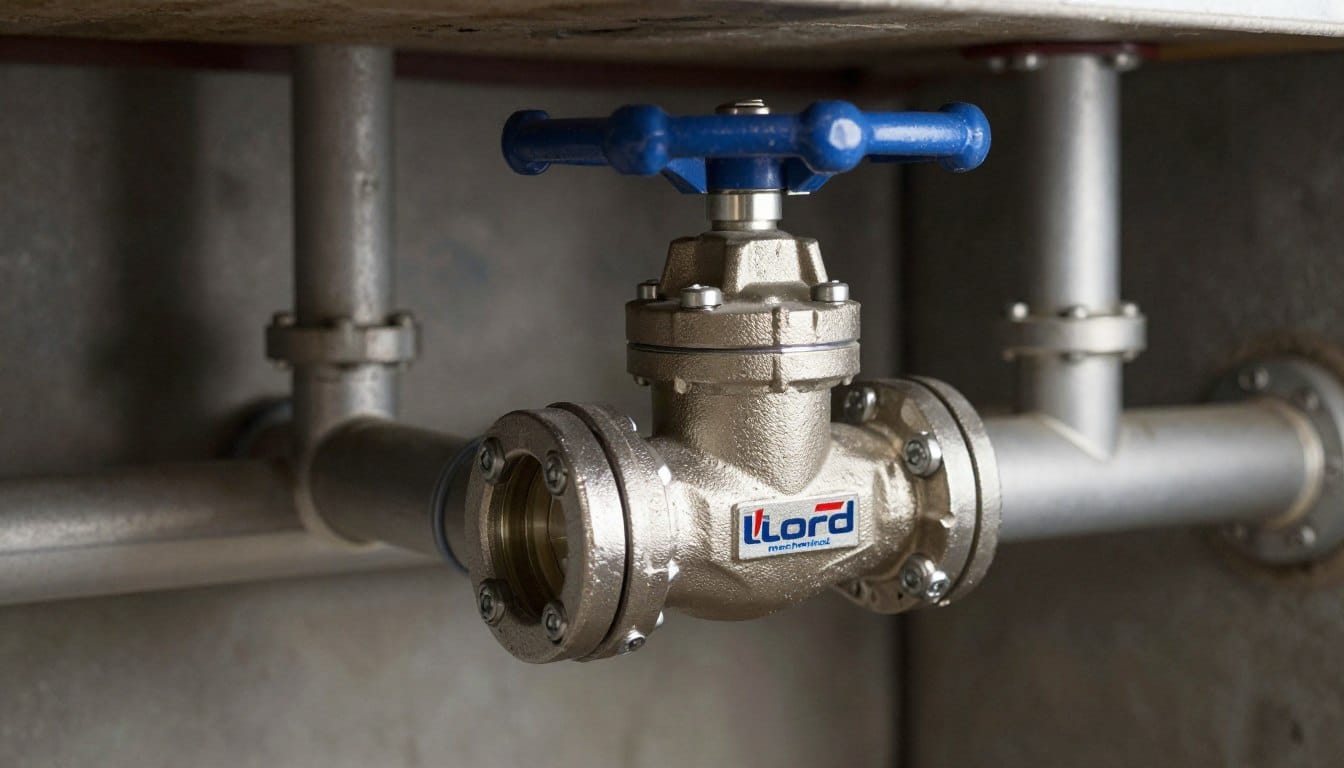
One surprising fact: during extreme storms, municipal sewers can send sewage into homes in minutes — affecting more than 1 in 20 houses in flood-prone neighbourhoods.
We explain why sewer backups happen and why a simple one-way device is one of the most practical plumbing upgrades for Canadian basements. We focus on clear, code-aware guidance for Vancouver, North Vancouver and West Vancouver property owners.
The device acts like a one-way gate in your drain line. It lets wastewater leave your property while blocking sewage from re-entering when systems are overwhelmed. That mechanism can greatly reduce the risk of costly damage, though it has limits during extreme events.
In this guide we will walk you through risk factors, how the device works, signs you need one, how to check if you already have one, steps for proper installation, costs, possible rebates, and maintenance tips. Contact Lord Mechanical LTD at 604-670-3737 for licensed, local advice before you proceed.
Key Takeaways
- We outline why sewer backup risk rises in heavy rain and how a one-way device helps protect your home.
- Installation is a practical upgrade for Vancouver basements, but it does not make your plumbing fail-proof.
- You’ll learn simple signs that indicate you need the device and how to confirm an existing unit.
- We cover expected costs, rebates in BC, and routine maintenance to keep the unit reliable.
- Ask clear questions and work with a licensed plumber—Lord Mechanical LTD serves North and West Vancouver.
Why sewer backups are a growing risk for Canadian homes
Intense storms and rapid snowmelt are pushing municipal sewers past their limits, and more Canadian homes face costly sewage incidents. Short, heavy downpours can raise wastewater in mains and force flow back into private drains.
How extreme rainfall overwhelms systems
How intense rainfall can overwhelm municipal sewer systems
When stormwater volumes spike quickly, combined sewer systems reach capacity in a short time. Cities such as Toronto have recorded 80–100 mm in hours, with flood damage costs exceeding $1 billion in major events like 2013.
Basement flooding impacts
Basement flooding impacts: property damage, cleanup, and health hazards from sewage
At basement level, contaminated water ruins drywall, flooring and personal contents. Cleanup and remediation can be lengthy and costly for property owners.
Sewage brings bacteria and pathogens that pose health risks. Fast action matters to reduce exposure and long-term mould issues.
| Risk | Likely impact | Typical cost range |
|---|---|---|
| Contaminated water | Ruined finishes and contents | $1,000–$20,000+ |
| Health hazards | Bacteria, pathogens, airborne contaminants | Medical and remediation expenses |
| Loss of use | Finished basement unusable | Indirect costs, temporary relocate |
| Insurance effects | Claims, possible premium increases | Varies by policy |
Why “once-in-a-lifetime” floods appear more often
Why “once-in-a-lifetime” floods are no longer rare in many regions
Changing weather patterns mean high-intensity events occur with greater frequency. That raises the time-sensitive risk of sewer backups and basement flooding for homeowners across Canada.
Practical protection When municipal overload drives backups, adding a backwater device is one of the most direct defences you can add to reduce water sewage entry. For local advice in North and West Vancouver, call Lord Mechanical LTD at 604-670-3737.
What a backwater valve is and what it does in your plumbing system
Think of this device as a gate in your plumbing: it lets wastewater leave and keeps sewer flow from coming back. We define the unit and show where it connects to the sewer line so you know what it protects—and what it won’t.
Terminology made simple.
Backwater valve vs. backflow preventer vs. sewer backup valve
Plumbers and insurers often use these terms interchangeably. Backflow and backwater valve are usually the same for homes: a one-way fitting on the main drain that blocks reverse sewer pressure.
One-way protection: how it works
The mechanism permits normal outflow of wastewater. When municipal sewers surge, the flap or gate closes and stops sewage from moving back into fixtures. That one-way action limits basement contamination during overloads.
Common designs and tradeoffs
Typical residential options are flap-style (a hinged flap) and gate-style (a sliding gate). Flap models are simple and low-cost. Gate types seal better and can be easier to service.
| Design | Strength | Maintenance |
|---|---|---|
| Flap-style | Simple, fewer parts | Inspect for debris |
| Gate-style | Better seal, serviceable | Check seals and guides |
| Placement | Near main sewer line exit | Professional sizing recommended |
Next: we explain exactly how the unit reacts during a main sewer overload. For local advice in North and West Vancouver, call Lord Mechanical LTD at 604-670-3737.
How a backwater valve prevents sewer backup in the basement
When city sewers rise above capacity, the pressure can force wastewater back into the lowest pipes of your home. That reverse push starts at the main sewer line and follows the path of least resistance toward basement drains.
What happens when the main sewer line is overloaded
Rising level in the municipal system creates backflow. The increased pressure drives sewage up the line and into low points like floor drains and laundry sinks.
- Storm surge raises the main sewer level and increases pressure inside the line.
- That pressure forces wastewater into branch drains and basement fixtures.
- Without a protective device, this chain reaction causes a rapid sewer backup.
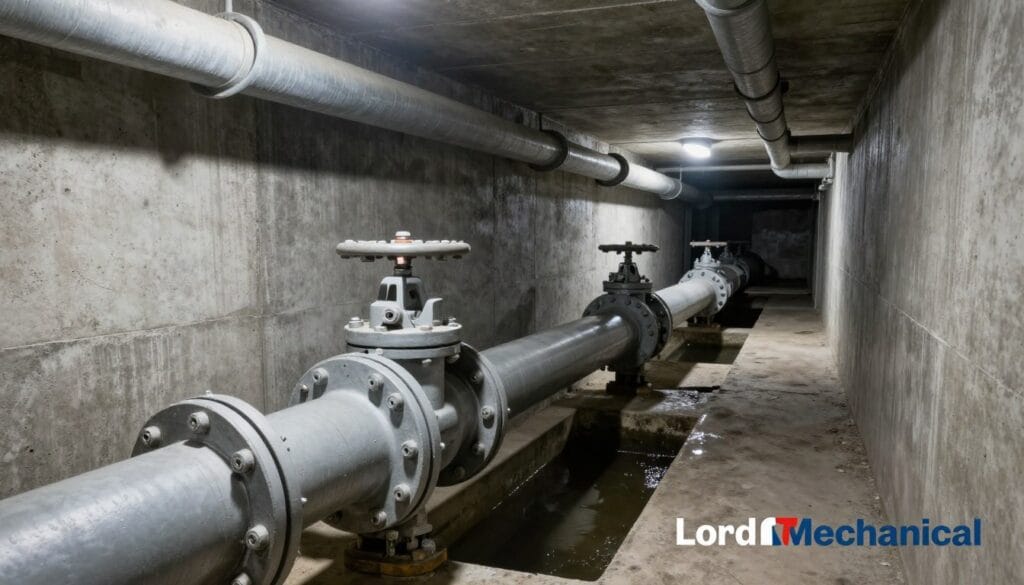
How the flap closes during backflow and reopens when levels normalize
In a flap-style unit the hinged flap swings shut as soon as reverse flow starts. This stops sewage at the entry point and protects your finished basement from contaminated water.
When the municipal level drops, the flap reopens and allows household wastewater to flow out again. The action is automatic and does not need daily attention.
Important limitation: when the valve is closed, your home can’t drain out
Key point: when the device is shut, your drains have nowhere to send water. Running showers, washers, or dishwashers during a surge can cause internal flooding.
During heavy storms we recommend you limit water use and stagger fixtures until the main sewer level falls. Regular inspection and free movement of the flap are essential so the unit can protect you when it matters most. For local advice call Lord Mechanical LTD at 604-670-3737.
Signs your property may need a backwater valve
Certain lot features and neighbourhood systems make sewer backups a recurring concern for some homes. We look at the main indicators so you can judge your property’s risk and plan next steps.
High-risk indicators
- Low-lying lots and areas with older sewer line layouts.
- Finished basements where cleanup and restoration costs are high.
- Concentrated storm paths in your neighbourhood that stress municipal systems.
Real-world warning signs: recurring slow drains during rain, gurgling floor drains, prior minor backups, or neighbours reporting sewer issues. These signs often precede more serious water sewage incidents.
Even minor storms can trigger backups when mains are near capacity or debris restricts flow. Proactive protection usually has a lower cost than one major cleanup.
“Ask your insurer if protection affects your water-backup coverage—some providers adjust eligibility or premiums.”
| Indicator | Why it matters | Action |
|---|---|---|
| Low lot | Higher sewer pressure during storms | Assess protection options |
| Finished basement | Greater damage and restoration cost | Prioritize installation |
| Frequent slow drains | Signs of stress on line | Inspect and monitor |
If your property fits these profiles, call Lord Mechanical LTD at 604-670-3737 for local advice in North and West Vancouver. We help homeowners weigh risk, insurance implications, and next steps.
Finding out if your home already has a backwater valve installed
A quick guided inspection of the basement can tell you if a one-way unit sits on your main pipes. We walk you through safe checks you can do yourself and how to confirm what you find.
Where to look
Most units sit close to where the main drain piping leaves the home and heads to the street connection. In a typical basement this is near the foundation wall or utility area.
Access cover clues
Look for a recessed box with a removable lid, often about 10 by 14 inches. It may be hidden under carpet, shelving or stored items.
Being able to open the lid matters for annual maintenance, debris checks and visual inspection before heavy rain.
When to call a professional
Do a visual check only. If you notice foul odours, active flow, or are unsure of the pipe layout, stop and call a licensed plumber.
“If records or markings are unclear, a plumber’s inspection provides a documented confirmation for insurance and future planning.”
- Review your home inspection report or ask the seller for service records.
- Book a licensed plumber to verify and document the system if you need proof for insurance or resale.
- If you do have one, schedule routine checks; if not, we can discuss next steps and permits.
| Clue | What it means | Next step |
|---|---|---|
| Recessed access box | Likely location of the device | Open for visual check (no tools) |
| Inspection report notes | Documented presence or absence | Keep for insurance records |
| Unclear piping or odour | Potential risk or defect | Call a licensed plumber |
For North and West Vancouver homeowners, call Lord Mechanical LTD at 604-670-3737 if you need a professional verification, or want help planning next steps for your home and basement.
Planning a backwater valve installation
A practical plan begins by matching pipe size, fixture load and likely wastewater flow to the right device.
We start with a short risk review of your home, confirm the main sewer line route, and check which fixtures drain to the lowest points.
Choosing the right type and size
We size the unit so it handles peak flows from fixtures like laundry, sinks and toilets without restricting normal drainage.
- Confirm pipe diameter and flow rate.
- Pick a model that fits existing plumbing and allows easy access for service.
Where to place it on the sewer line
The best location is on the main sewer line before branch drains reach basement fixtures.
Proper placement protects floor drains and low fixtures and reduces the chance of sewage entering living space.
Permits, inspections and local rules
Many Canadian municipalities require permits and inspections for this work. Rules vary by city, so never skip approvals.
Sump pump vs. backwater protection
Sump pumps remove groundwater. A backwater device blocks municipal sewer backflow. Homes in flood-prone areas often benefit from both systems.
“Confirm permit needs for Vancouver, North Vancouver and West Vancouver before booking work.”
Questions to ask your plumber: proper sizing, access for maintenance, compatibility with piping, and how they will ensure proper direction of flow. Call Lord Mechanical LTD at 604-670-3737 for local advice.
Backwater valve installation step-by-step: what to expect from a licensed plumber
We follow a clear, practical sequence so you know what happens and when to expect work in your basement. Our crew explains each stage and keeps the job tidy, safe and to code.
Site assessment and locating the main sewer line
First we map the drain route and confirm the best cut-in point. This includes a visual check of pipe condition and measuring pipe diameter to match materials and flow needs.
Accessing pipes: excavation or trenching in the basement floor
When the line sits under a slab we may need controlled excavation or trenching. Work is localised and dust-managed to protect finishes.
Installing components and ensuring proper direction of flow
Technicians cut the pipe, fit the unit and confirm the flap/gate faces the correct direction so it functions reliably. We use approved connectors and test alignment before final sealing.
Plumbing modifications, sealing, and restoring the area
Reroutes or adapter fittings are performed when needed. After plumbing is complete we seal joints, restore concrete or flooring, and leave an access cover for future service.
Testing the system and completing required inspections
We run water tests to verify free movement and leak-free seals. Municipal inspections and permits are arranged so your work meets local rules and insurance needs.
How long work usually takes and what you can use during the job
Typical jobs range from a few hours to more than one visit when excavation is needed. You normally keep most water use, but we may ask you to limit laundry or showers during cutting and testing.
Practical note: complexity and time depend on access and materials. Call Lord Mechanical LTD at 604-670-3737 for a local quote and to schedule a site review.
Cost of backwater valve installation in Canada: pricing drivers and budget ranges
A realistic budget helps homeowners decide when protective plumbing upgrades make sense.
Typical range: in Toronto most projects fall between $1,500 and $5,000, with an average near $2,500 for a standard flap-style unit.
What moves the final cost? Type of unit (flap is cheaper; gate costs more), how hard it is to access the main line, and the size and layout of your property.
Common add-ons and hidden costs
- Permits and municipal inspections can add to the quote.
- Excavation, trenching, or concrete repair raise labour and materials costs.
- Plumbing reroutes and extra fittings increase time on site and expense.
Long-term value: preventing a single sewage backup often saves far more than the project cost when you include cleanup, remediation and replacement of finishes.
Documented, code-compliant work may help with insurance underwriting—keep permits and receipts.
For a local estimate and permit guidance in North and West Vancouver, call Lord Mechanical LTD at 604-670-3737.
Rebates and protection subsidy program options to reduce out-of-pocket costs
Rebates and local protection subsidy programs can lower the cost and speed up the return on investing in basement protection.
We explain how a protection subsidy program reduces out-of-pocket expense and what paperwork you need to secure funds.
Toronto’s Basement Flooding Protection Subsidy Program
Toronto offers up to $3,400 per eligible property toward backwater valve installation. Eligibility rules vary, so confirm your status before work begins.
Other Canadian municipalities and options
Many cities and regions offer a protection subsidy or similar rebate program. Check municipal websites in BC and across provinces for current offerings.
Documentation tips: permits, invoices, and inspections
Successful claims usually require:
- Permits and municipal inspection sign-offs.
- Itemized paid invoices and contractor licence details.
- Photos of the installed unit and the access cover.
| Requirement | Why it matters | Example |
|---|---|---|
| Permit | Shows work is code-compliant | Municipal permit number |
| Invoice | Proof of paid cost | Itemized labour and materials |
| Inspection | Confirms correct fit and function | Inspection sign-off form |
Programs change. Confirm current terms and deadlines before scheduling work.
Note: insurers often request the same documentation when adjusting coverage or processing claims. For local guidance in North and West Vancouver, call Lord Mechanical LTD at 604-670-3737.
Maintenance and troubleshooting to ensure proper performance
Simple homeowner checks can stop a stuck flap before sewage reaches finished space.
We recommend doing routine maintenance at least once a year. Open the access, remove debris, and confirm the flap moves freely. Many units have an easy-to-remove cover for fast checks.
Annual checklist
- Open access cover and clear loose debris.
- Manually move the flap to confirm free motion.
- Run hot, soapy water through the line to wash grime away.
Cleaning and wear inspection
Wear rubber gloves and use a long-handled brush when cleaning. Flushing with hot soapy water reduces residue while limiting exposure to sewage.
Inspect the O-ring seal around the lid and the floats that help position the flap. Replace seals that look cracked or flattened.
What not to flush and common problems
Do not flush wipes, diaper liners, cotton products or other items that can snag and cause clogs. Sharp objects can damage the flap and seals.
| Issue | Symptom | Recommended action |
|---|---|---|
| Stuck flap | Visible obstruction or slow movement | Clear debris; test movement; call a plumber if uncertain |
| Damaged O-ring | Water or odour at access lid | Replace seal; verify lid seats tightly |
| Float misalignment | Flap fails to seal fully | Adjust or replace floats; professional inspection |
| Heavy soiling | Persistent grime after flushing | Deep clean or book service with a licensed plumber |
Practical reminder: when the unit closes during a major storm your home can’t drain out. Limit water use until municipal levels fall.
If you can’t confirm free movement, see sewage residue, or feel uncomfortable working near drains, call Lord Mechanical LTD in North and West Vancouver at 604-670-3737 for prompt, licensed help.
Conclusion
A targeted protection upgrade can spare you costly cleanup when city sewers overflow. A backwater valve installation is a proven way to reduce the risk of sewer backups into your basement during extreme weather.
We recommend you confirm whether your home already has a unit, assess site risk, and plan for permits and inspections before work. Proper placement and accessible access make long-term maintenance straightforward.
Important: the device protects when it closes, so limit water use during major storms to avoid internal flooding. Annual checks keep seals and moving parts reliable—this is not a “set and forget” upgrade.
For a local assessment, permit advice and a quote for valve installation in North or West Vancouver, call Lord Mechanical LTD at 6046703737.
FAQ
What does a backwater valve do and how does it prevent sewer backups?
Why are sewer backups a growing risk for Canadian homes?
How does extreme rainfall overwhelm municipal sewer systems?
What are the health and property impacts of basement flooding with sewage?
What’s the difference between this valve and a backflow preventer or sewer backup valve?
What common designs exist for these devices?
How does the flap close during a backflow event and reopen afterward?
Are there limitations I should know about?
What are signs my property may need this kind of protection?
How can I find out if my home already has one of these units installed?
Where should the device be placed for best protection?
What does the installation process involve from a licensed plumber?
How long does a typical install take and can we use plumbing during the work?
What are typical cost ranges in Canada and key pricing drivers?
FAQ
What does a backwater valve do and how does it prevent sewer backups?
A backwater device is a one-way mechanical unit fitted into your main sanitary drain that lets wastewater leave the house while stopping sewage from flowing back in. When municipal sewers are overloaded, the internal flap or gate closes under reverse pressure to block incoming wastewater, protecting basements and lower-level plumbing fixtures from contamination and flooding.
Why are sewer backups a growing risk for Canadian homes?
Increasing extreme rainfall events and ageing municipal infrastructure mean stormwater often overwhelms combined or separated sewer systems. That raises the chance of pressurized sewage entering private lines, especially in low-lying areas and older neighbourhoods with outdated pipe layouts. Finished basements and below-grade utilities make damage and health risks more costly.
How does extreme rainfall overwhelm municipal sewer systems?
Heavy rain and rapid snowmelt overload conveyance capacity, push flows beyond treatment plants, and raise sewer system levels. In combined systems, stormwater adds large volumes of runoff. High system head pressure can reverse flow in lateral lines, causing sewage to back into homes unless a one-way protective device is present.
What are the health and property impacts of basement flooding with sewage?
Sewage flooding can cause structural and finish damage, destroy belongings, and require costly clean-up and mould remediation. It also poses infection risks from pathogens and chemical contaminants. Quick containment and professional sanitation are essential to reduce long-term hazards.
What’s the difference between this valve and a backflow preventer or sewer backup valve?
Terminology varies. A backflow preventer usually refers to potable water protection against reverse pressure. The unit we’re discussing is specifically for sanitary waste—often called a sewer backup valve or backwater device—and it protects against sewage entering a building, not potable water reverse flow.
What common designs exist for these devices?
The two typical designs are flap-style (a hinged rubber or composite flap that closes under reverse flow) and gate-style (a sliding barrier that seals the pipe). Both types provide one-way protection but differ in maintenance access and suitability for certain pipe sizes and flow rates.
How does the flap close during a backflow event and reopen afterward?
Under normal conditions the flap rests open, allowing wastewater to leave. When sewer levels rise and pressure reverses, the flap is forced closed against a seat, preventing inflow. Once municipal levels drop and normal flow resumes, gravity and flow pressure push the flap open again, restoring drainage.
Are there limitations I should know about?
Yes. When the unit is closed it also stops your home from discharging waste to the sewer—fixtures can’t drain. For protection during prolonged events, some owners use a combination of a one-way device and temporary water-use restrictions or a sump system for stormwater; each strategy has trade-offs.
What are signs my property may need this kind of protection?
High-risk indicators include a finished basement, a lower elevation compared with the street, history of neighbourhood backups, older sewer connections, and homes where “minor” storms already cause drainage issues. If you’ve had backups or live in heavy-rain zones, we recommend assessment.
How can I find out if my home already has one of these units installed?
Look near where the house sewage lateral exits at basement level for an access box with a removable lid. Check home inspection reports or municipal records. The quickest confirmation is a licensed plumber’s inspection; we can locate and verify it for you.
Where should the device be placed for best protection?
It belongs on the main sanitary lateral as close as practical to where the drain leaves the building, upstream of branch connections. Correct siting ensures all interior fixtures are protected. Exact location depends on pipe routing, floor layout, and local code requirements.
What does the installation process involve from a licensed plumber?
Expect a site assessment, locating the main sewer line, and possibly cutting a section of pipe. In some cases limited trenching or concrete work in the basement floor is needed. The unit is installed with correct orientation, sealed, tested, and the area restored. Final municipal inspections may follow.
How long does a typical install take and can we use plumbing during the work?
Most installs take a few hours to a day, depending on complexity. If excavation or major modifications are required, the job can extend to multiple days. Plumbers will advise temporary restrictions on water use for safety and to ensure seals set correctly.
What are typical cost ranges in Canada and key pricing drivers?
Prices vary by city, complexity, and device type. For example, in Toronto typical ranges run about
FAQ
What does a backwater valve do and how does it prevent sewer backups?
A backwater device is a one-way mechanical unit fitted into your main sanitary drain that lets wastewater leave the house while stopping sewage from flowing back in. When municipal sewers are overloaded, the internal flap or gate closes under reverse pressure to block incoming wastewater, protecting basements and lower-level plumbing fixtures from contamination and flooding.
Why are sewer backups a growing risk for Canadian homes?
Increasing extreme rainfall events and ageing municipal infrastructure mean stormwater often overwhelms combined or separated sewer systems. That raises the chance of pressurized sewage entering private lines, especially in low-lying areas and older neighbourhoods with outdated pipe layouts. Finished basements and below-grade utilities make damage and health risks more costly.
How does extreme rainfall overwhelm municipal sewer systems?
Heavy rain and rapid snowmelt overload conveyance capacity, push flows beyond treatment plants, and raise sewer system levels. In combined systems, stormwater adds large volumes of runoff. High system head pressure can reverse flow in lateral lines, causing sewage to back into homes unless a one-way protective device is present.
What are the health and property impacts of basement flooding with sewage?
Sewage flooding can cause structural and finish damage, destroy belongings, and require costly clean-up and mould remediation. It also poses infection risks from pathogens and chemical contaminants. Quick containment and professional sanitation are essential to reduce long-term hazards.
What’s the difference between this valve and a backflow preventer or sewer backup valve?
Terminology varies. A backflow preventer usually refers to potable water protection against reverse pressure. The unit we’re discussing is specifically for sanitary waste—often called a sewer backup valve or backwater device—and it protects against sewage entering a building, not potable water reverse flow.
What common designs exist for these devices?
The two typical designs are flap-style (a hinged rubber or composite flap that closes under reverse flow) and gate-style (a sliding barrier that seals the pipe). Both types provide one-way protection but differ in maintenance access and suitability for certain pipe sizes and flow rates.
How does the flap close during a backflow event and reopen afterward?
Under normal conditions the flap rests open, allowing wastewater to leave. When sewer levels rise and pressure reverses, the flap is forced closed against a seat, preventing inflow. Once municipal levels drop and normal flow resumes, gravity and flow pressure push the flap open again, restoring drainage.
Are there limitations I should know about?
Yes. When the unit is closed it also stops your home from discharging waste to the sewer—fixtures can’t drain. For protection during prolonged events, some owners use a combination of a one-way device and temporary water-use restrictions or a sump system for stormwater; each strategy has trade-offs.
What are signs my property may need this kind of protection?
High-risk indicators include a finished basement, a lower elevation compared with the street, history of neighbourhood backups, older sewer connections, and homes where “minor” storms already cause drainage issues. If you’ve had backups or live in heavy-rain zones, we recommend assessment.
How can I find out if my home already has one of these units installed?
Look near where the house sewage lateral exits at basement level for an access box with a removable lid. Check home inspection reports or municipal records. The quickest confirmation is a licensed plumber’s inspection; we can locate and verify it for you.
Where should the device be placed for best protection?
It belongs on the main sanitary lateral as close as practical to where the drain leaves the building, upstream of branch connections. Correct siting ensures all interior fixtures are protected. Exact location depends on pipe routing, floor layout, and local code requirements.
What does the installation process involve from a licensed plumber?
Expect a site assessment, locating the main sewer line, and possibly cutting a section of pipe. In some cases limited trenching or concrete work in the basement floor is needed. The unit is installed with correct orientation, sealed, tested, and the area restored. Final municipal inspections may follow.
How long does a typical install take and can we use plumbing during the work?
Most installs take a few hours to a day, depending on complexity. If excavation or major modifications are required, the job can extend to multiple days. Plumbers will advise temporary restrictions on water use for safety and to ensure seals set correctly.
What are typical cost ranges in Canada and key pricing drivers?
Prices vary by city, complexity, and device type. For example, in Toronto typical ranges run about $1,500 to $5,000, averaging near $2,500. Costs rise with difficult access, concrete cutting, extensive excavation, or rerouting plumbing. Permit and inspection fees, plus material quality, also affect totals.
Are there rebates or subsidy programs to offset cost?
Yes. Some municipalities, like Toronto through its Basement Flooding Protection Subsidy Program, offer partial rebates for qualifying sanitary protection devices. Eligibility, required documentation, and covered items vary by city; keep permits and invoices for applications.
What maintenance is required to keep the unit working properly?
We recommend annual checks: open the access cover, inspect for debris, ensure the flap or gate moves freely, and replace worn seals or O-rings as needed. Clean with gloves and a soft brush, avoid harsh chemicals, and never flush wipes or materials that clog. Address a stuck flap or damaged parts promptly.
What common issues should prompt calling a plumber?
Call us if the device is stuck closed, damaged, leaking at seals, or if you notice recurring backups despite a unit being present. Professional service ensures safe repairs, correct part replacement, and verification of proper orientation and performance.
Who should Vancouver area homeowners contact for assessment and service?
For reliable inspection, removal of debris, repairs or new fitting we’re available at Lord Mechanical LTD. We serve North Vancouver and West Vancouver and can advise on permits and subsidy eligibility. Call us at 604-670-3737 to schedule an assessment.
,500 to ,000, averaging near ,500. Costs rise with difficult access, concrete cutting, extensive excavation, or rerouting plumbing. Permit and inspection fees, plus material quality, also affect totals.
Are there rebates or subsidy programs to offset cost?
Yes. Some municipalities, like Toronto through its Basement Flooding Protection Subsidy Program, offer partial rebates for qualifying sanitary protection devices. Eligibility, required documentation, and covered items vary by city; keep permits and invoices for applications.
What maintenance is required to keep the unit working properly?
We recommend annual checks: open the access cover, inspect for debris, ensure the flap or gate moves freely, and replace worn seals or O-rings as needed. Clean with gloves and a soft brush, avoid harsh chemicals, and never flush wipes or materials that clog. Address a stuck flap or damaged parts promptly.
What common issues should prompt calling a plumber?
Call us if the device is stuck closed, damaged, leaking at seals, or if you notice recurring backups despite a unit being present. Professional service ensures safe repairs, correct part replacement, and verification of proper orientation and performance.
Who should Vancouver area homeowners contact for assessment and service?
For reliable inspection, removal of debris, repairs or new fitting we’re available at Lord Mechanical LTD. We serve North Vancouver and West Vancouver and can advise on permits and subsidy eligibility. Call us at 604-670-3737 to schedule an assessment.