

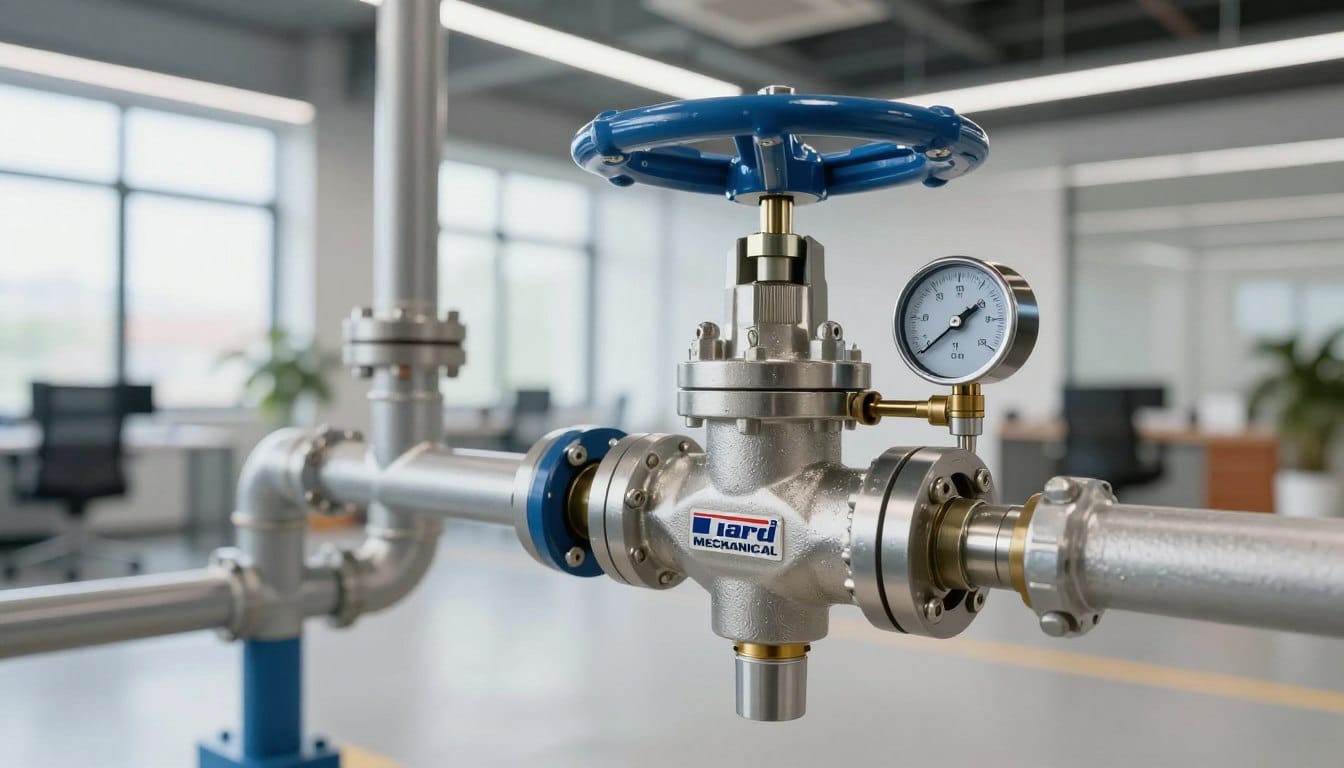
Up to 60% of contamination events in municipal lines start at a single commercial cross connection. That startling figure shows why you can’t leave water quality to chance. If you already know you need help, call 604-670-3737 to book a prompt inspection.
We define this risk as the reversal of flow that can draw contaminants back into the public supply during pressure changes. This happens through back siphonage or backpressure at hidden cross connections on your property.
As Lord Mechanical LTD serving North Vancouver and West Vancouver, we help you reduce risk and keep your plumbing aligned with municipal rules. Expect testing, installation, repairs and surveys, all with clear documentation for your records.
This page will cover what it is, how it happens, where cross connections hide, which assemblies are common in Canadian commercial buildings, and typical compliance steps. The goal is simple:
Protect customers, staff and the public water system while cutting downtime and surprise failures.
Key Takeaways
- Reversal of water flow can contaminate municipal supply; action is a health priority.
- Lord Mechanical LTD offers testing, installation, repair and clear records for commercial property owners.
- Hidden cross connections are common in commercial buildings — inspections find them early.
- Using approved assemblies keeps your property compliant with local requirements.
- Call 604-670-3737 today to arrange an inspection and reduce your liability.
Backflow prevention for commercial properties: what it is and why it matters
Commercial plumbing must keep water moving one way: from the municipal main into your building. When flow reverses, contaminants can be drawn toward taps and fixtures. That threat threatens public health, tenant confidence and regulatory compliance.
How reverse flow can contaminate drinking water
How reverse flow can contaminate potable (drinking) water
Reverse flow happens by siphonage or by downstream pressure rising above supply pressure. Liquids from hoses, boilers, wash bays or chemical lines can then enter the protected lines and cause contamination.
Why commercial systems face higher risks
Why commercial plumbing systems face higher backflow risks
Commercial sites have many cross connections, varied equipment and large demand swings. Those conditions raise the chance that a single failure will affect the entire water supply.
- Define: Measures and devices that stop reverse flow into clean supply lines.
- Hazard levels: Minor to high hazards guide device choice and testing frequency.
- Action: If you manage irrigation, fire lines, wash bays or boilers, plan controls now.
We can assess your system and suggest a plan to protect drinking water and municipal safety. Call 604-670-3737 to arrange an inspection.
How backflow happens in a plumbing system
A simple change in local pressure can flip the direction of water and risk contamination. We explain the two mechanisms so you can spot the cause and choose the right fix.
Back siphonage: negative pressure pulling contaminants into the water supply
Think of a straw. When you create a vacuum, liquid moves toward the low-pressure area. The same happens in pipes: a drop in line pressure can pull non-potable liquids through a cross connection into the drinking supply.
Backpressure: when downstream pressure exceeds supply pressure
Backpressure happens when downstream pressure rises above municipal pressure. Pumps, elevated tanks, heating loops or boosted lines can push fluid back into the system. That reversed flow can contaminate fixtures and the public supply.
Common pressure-change triggers, including water main breaks
- Water main breaks and hydrant use
- Nearby construction shutdowns and sudden high demand
- Pump cycling and valve operations
One pressure event can create a contamination risk if a device fails or is missing. We test and diagnose whether siphonage or backpressure caused the issue so the correct protection is installed and positioned.
Cross connections: the hidden contamination pathway
Hidden connections inside commercial buildings quietly create the biggest risk to municipal water. A cross connection is any point where a potable line meets a non-potable source, process fluid or equipment—intentionally or by accident.
Where do these appear?
What a cross connection is and where they appear in commercial buildings
Common examples include mop sinks with hose fittings, janitorial closets, mechanical rooms, irrigation tie‑ins, commercial kitchens, dental and medical equipment, boiler make‑up lines and wash bay hoses.
These links often go unnoticed because tenants, trades or renovations add them over years without a full review. That is why a site survey is critical to find them early.
How valves and assemblies protect water quality
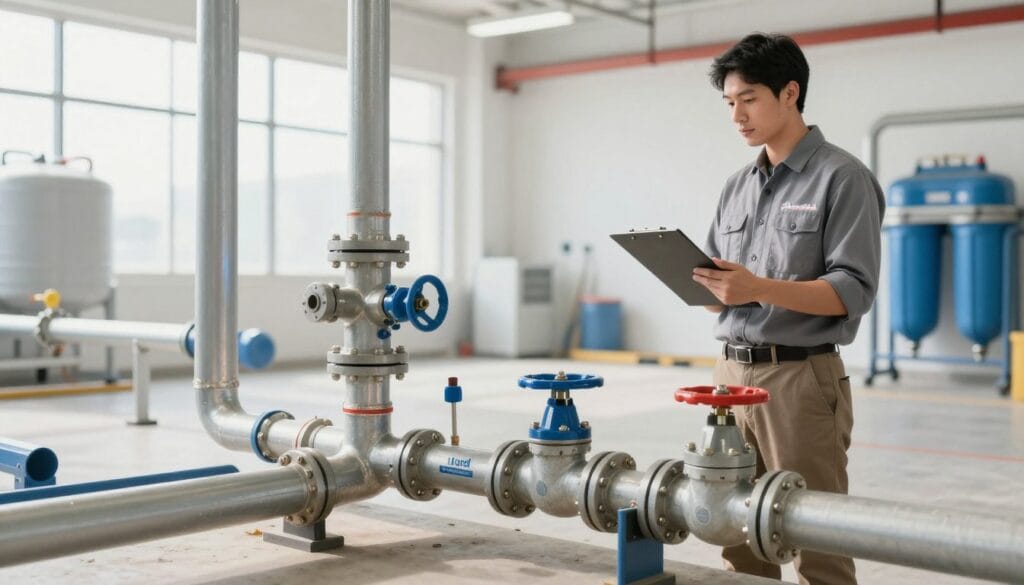
Backflow prevention valves and assemblies act as barriers when pressure shifts, keeping contaminants from reversing into supply lines. Some units are simple devices checked visually. Others are testable assemblies designed for regular verification and longer‑term reliability.
“Identification, proper placement and ongoing testing make protection effective — hardware alone is not enough.”
We identify hidden points, recommend the right assembly for the hazard, and verify installation so your water quality and community safety stay protected. In Canada, specific device types are chosen by hazard and application; the next section explains common assemblies.
Backflow prevention devices and assemblies used in Canadian commercial settings
Commercial sites use several certified assemblies to protect potable lines from contamination risks. Selection depends on hazard level, the connection type and municipal requirements. Below we explain common units you’ll encounter in Metro Vancouver and why each is chosen.
Double Check Valve Assembly (DCA)
The DCA is common for low-to-moderate hazards. It uses two check valves in series to improve sealing reliability and reduce minor leakage.
Where it fits: irrigation tie-ins and many general industrial lines where the hazard is not high but redundancy is helpful.
Reduced Pressure Zone (RPZ) assemblies
RPZ units are specified for higher-hazard applications. They have two independent checks and an intermediate relief valve.
Key differentiator: the relief valve opens to atmosphere if both checks fail, protecting the municipal water supply from serious contamination.
HCVB and AVB vacuum breakers
Hose Connection Vacuum Breakers (HCVB) and Atmospheric Vacuum Breakers (AVB) protect point-of-use hose and fixture connections from back siphonage.
They are simple, cost-effective preventers for janitorial sinks, exterior taps and similar fittings.
Double Check Detector Assembly (DCDA)
Detector assemblies pair two check valves with flow detection for specialized lines such as irrigation mains. DCDA detects unauthorized flow while providing redundancy.
Why choose it: it helps identify leaks or bypasses on large meters and service runs.
- Sizing and access: devices must be correctly sized, installed upright and accessible for routine testing.
- Longevity: our recommendations prioritise long-term performance, ease of service and local code alignment across North and West Vancouver.
We assess hazards, specify the appropriate device or assembly, and ensure installation meets municipal rules. Call 604-670-3737 to schedule an evaluation.
backflow prevention services for testing, installation, repairs, and surveys
Certified technicians ensure your site meets code through testing, correct installation and fast repairs. We deliver clear outcomes: safer water, fewer surprises and documented compliance.
When do you need testing? New installations must be commissioned. Annual programs and post-repair checks are required by many municipalities. We use a calibrated testing device to confirm pressure, check integrity and log results.
Installation built for long-term performance
Correct placement and accessibility make future maintenance simple. We protect devices from freezing, follow code-aligned layouts and size assemblies for reliable operation.
Repairs and rapid response
Common triggers include failed tests, leaks, worn checks or relief valve discharge. Our goal is to restore protection quickly and document the fix for municipal records.
Surveys that find hidden hazards
We survey mechanical rooms, kitchens and exterior tie‑ins to locate cross connections. Then we prioritise corrective work by risk and practicality so you can plan budgets and reduce emergency downtime.
“Predictability matters: planned testing cycles and clear records save time and liability.”
| Core offering | Typical trigger | Primary outcome |
|---|---|---|
| Testing | New install, annual, post-repair | Verified operation, test record |
| Installation | New system or upgrade | Accessible, code-compliant layout |
| Repairs | Failed test, leaks, pressure issues | Restored protection, documented repair |
| Surveys | Site assessment, tenant changes | Risk map and prioritized corrections |
Plan with us for peace of mind. Call 604-670-3737 to book testing, a survey or any maintenance in North Vancouver and West Vancouver.
Commercial backflow testing and compliance in Canada
Yearly verification and proper records are central to keeping a commercial water supply compliant. Municipal programs and national standards set clear expectations for owners and property owners.
Annual testing expectations and municipal submission
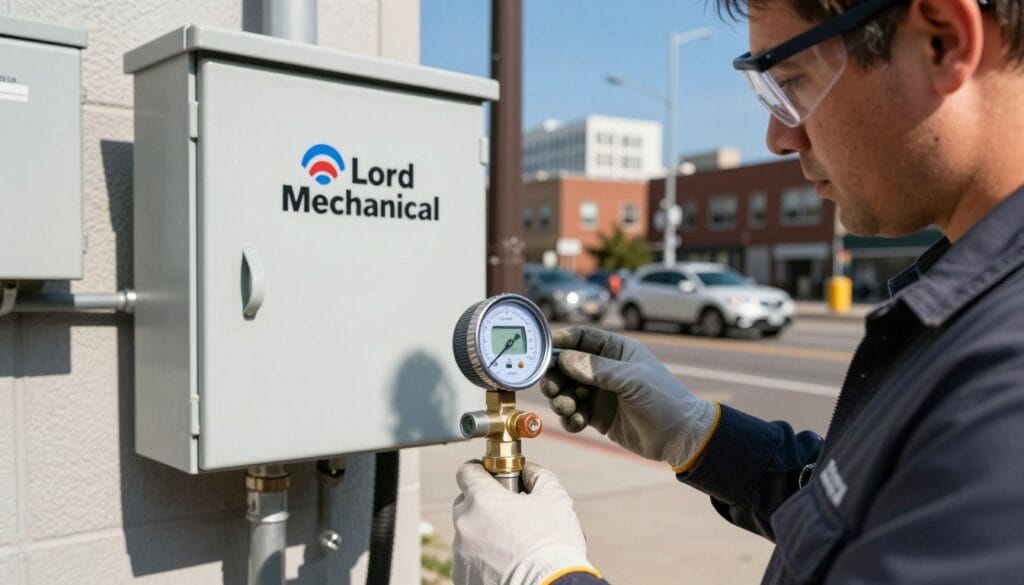
For many industrial and commercial sites, annual testing of testable assemblies is mandatory. A certified tester must perform the testing and submit results to the municipality when required.
Owners should keep copies of test reports and repair records ready for audits. This practice protects water quality and reduces liability.
Standards and local program examples
Compliance aligns with CSA guidance and local cross-connection control programs such as City of Edmonton Bylaw #17698 and EPCOR’s program. These frameworks require removing unnecessary cross connections and protecting unavoidable ones with approved devices.
Visual inspection vs testable assemblies
Some devices are non-testable and need regular visual inspection only. Others must be tested with calibrated instruments. We advise owners which items need testing, and which need visual review, so your system meets municipal rules.
- Owner responsibilities: eliminate unnecessary cross connections, protect remaining connections, and verify performance through testing or inspection.
- Compliance outcome: documented tests, maintained devices, and a clearer audit trail for your property.
We help North and West Vancouver owners navigate requirements, schedule testing and keep paperwork audit-ready. Call 604-670-3737 for a consultation.
What to expect during a backflow inspection and test
A licensed technician inspects your system to find whether flow reversal is active and why it happened. We plan the visit to keep your business disruption minimal.
First, we confirm the installed device type, location and access. We check mechanical rooms, shutoff points and tenant areas to map risk points.
On-site assessment
We determine whether the issue is tied to siphonage, raised pressure, or both. Our team notes orientation, freeze exposure and accessibility.
Using a testing device
We use a calibrated testing device to read pressure differentials and detect leakage across checks and relief components. The goal is to confirm the valve performs under real conditions.
Documentation and next steps
You receive clear results and recommended actions. If repairs or replacement are required, we test after work is done before returning the line to normal operation.
Managing multiple sites? We can schedule recurring inspections and keep consistent records so your plumbing program stays audit-ready.
| Step | What we check | Outcome |
|---|---|---|
| Scheduling | Access, tenant notice, shutoffs | Minimal downtime |
| Assessment | Device type, orientation, risk source | Risk classification |
| Testing | Pressure differentials, leakage | Pass/fail and measured values |
| Follow-up | Repairs, replacement, retest | Verified performance and report |
Applications we service across commercial and industrial water systems
From meter pits to mechanical rooms, we service the key connection points that protect your potable supply. Our work covers common commercial and industrial setups so you can quickly identify what needs testing and ongoing maintenance.
Water service lines, irrigation systems, and fire lines
Water service lines: typically located immediately after the meter, these protect the main water supply for an entire property. Regular testing keeps the municipal supply safe and reduces liability.
Irrigation: seasonal use and hose tie‑ins raise siphonage risk. We recommend testing before peak use and regular maintenance during the season.
Fire lines: specialised setups often need dedicated assemblies and unique compliance checks. We test and document to meet municipal rules.
Water make-up systems and specialised equipment connections
Mechanical systems—boilers, hydronic loops, cooling towers—can introduce additives or stagnant water. Kitchens, wash bays and medical equipment also create cross-connection points that need targeted device checks and maintenance.
Device sizes and site types
We handle devices from 1/2″ to 12″ across commercial, institutional and industrial sites. Our team sizes, tests and documents each device so your water system stays compliant and your testing cycles remain manageable.
- Goal: keep water moving in one direction and paperwork audit-ready.
- Call to action: Call 604-670-3737 to schedule testing or maintenance in North and West Vancouver.
Conclusion
Simple, planned actions — survey, protect, verify — turn a hidden risk into a manageable program.
Backflow prevention stops reverse flow from contaminating drinking lines by addressing siphonage and backpressure at cross connections. Commercial sites face higher risk because systems are complex and exposures multiply.
Start with a site survey to identify hazards. Fit the right assembly for the assessed risk, then verify performance with scheduled testing and inspection. That path gives clear protection and documented compliance for owners and property owners.
We provide testing, installation, repairs and paperwork support across North Vancouver and West Vancouver. Call 604-670-3737 to book a backflow prevention service, request a survey, or discuss device upgrades.
We guide you in plain language so your plumbing decisions deliver safety, stronger water quality and real peace of mind.