

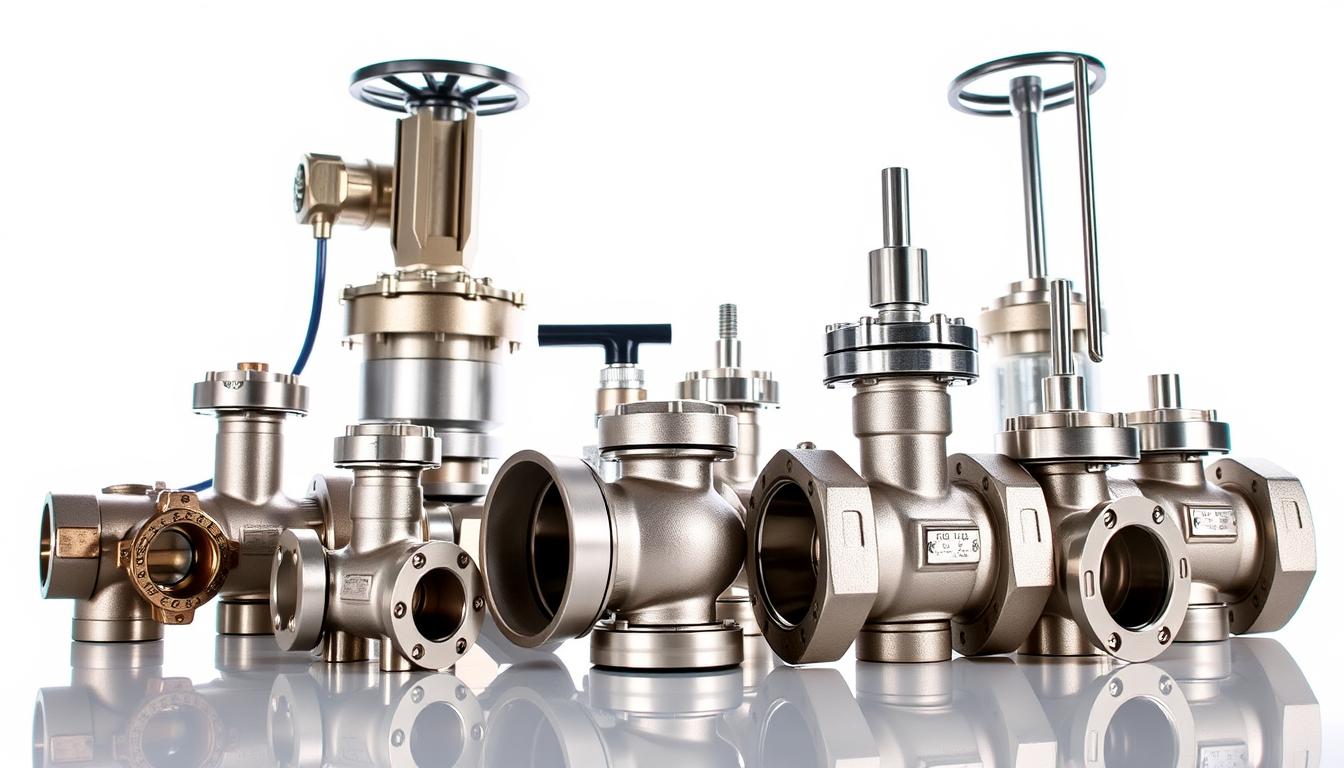
Could a single change in pressure put your drinking water at risk? We ask this because a sudden shift in pressure can force contaminated water back into a clean supply, threatening homes and businesses across coastal B.C.
We explain how a well-chosen device ensures water flows one direction toward fixtures and stops that reversal. This matters for kitchens, boilers, and irrigation systems in North Vancouver and West Vancouver.
We trace why modern plumbing codes now require testing and certified installs — lessons shaped by historical outbreaks and public health data. Lord Mechanical LTD pairs technical accuracy with clear guidance so you can make informed choices and keep drinking water safe.
Ready to protect your property? Call 604-670-3737 for certified installation and annual testing from a local team you can trust.
Key Takeaways
- Devices that keep water flowing one direction reduce contamination risk to drinking water.
- Pressure changes can cause unsafe reverse flow; testing and certified installs matter.
- Local codes and annual testing help keep businesses compliant and water safe.
- We offer practical, coastal B.C. advice on selecting and maintaining the right system.
- Contact Lord Mechanical LTD in North Vancouver or West Vancouver for certified service: 604-670-3737.
Why backflow prevention matters for North Vancouver homes and businesses
Protecting municipal drinking water starts with recognising where risk enters a property’s plumbing. Commercial lines, irrigation and fire sprinkler systems can introduce non-potable water into the shared supply if a malfunction occurs.
We see two practical angles: public health and operational risk. For families, regular testing confirms that a preventer works and protects drinking water in the home.
For businesses, annual testing is often mandatory. Restaurants, strata buildings and clinics face closures, fines, and reputational harm if a contamination event happens.
- High‑risk sources: irrigation, boilers and secondary sources can draw contaminated water into a system.
- Insurance and liability: documented maintenance of preventers lowers exposure and supports claims.
- Local factors: North Vancouver’s hills and mixed zones increase pressure swings and risk.
We recommend a simple calendar for testing, inspections and seasonal checks. Call Lord Mechanical LTD at 604-670-3737 to arrange setup and certified annual testing.
Understanding backflow: how contaminated water can reverse into your clean supply
When local pressure changes or a sudden vacuum hits the network, contaminated water can travel the wrong way into your potable line. We explain the two common mechanisms so you can spot risk and act fast.
Back pressure: downstream systems that push flow backward
Back pressure happens when equipment like boilers, pumps or elevated tanks raise downstream pressure above the supply. This higher pressure forces flow back through cross‑connections and can introduce contaminated water into your system.
Back siphonage: vacuums that pull water in reverse
Back siphonage occurs when negative pressure forms—often from a water main break, nearby repairs or heavy hydrant use during firefighting. The vacuum can draw unsafe sources into fixtures, especially on steep streets or during high demand.
Spot the signs: surging taps, discoloured water or sudden odours. Shut fixtures and call a pro if you see these symptoms.
| Cause | Typical trigger | Common locations |
|---|---|---|
| Back pressure | Boilers, pumps, elevated tanks | Mechanical rooms, commercial lines |
| Back siphonage | Water main break, hydrant use, repairs | Hose bibbs, irrigation, hilltop homes |
| Small lapses | Unprotected hose in a bucket | Kitchens, gardens, service sinks |
We recommend documenting cross‑connections and scheduling testing. Call Lord Mechanical LTD in North Vancouver and West Vancouver at 604-670-3737 to assess your lines and select the right preventer for your water system.
Health and safety risks to drinking water when water flows one direction is not maintained
A momentary reversal in flow can introduce pathogens and chemicals into drinking supplies across neighbourhoods. The 1933 dysentery outbreak in Chicago shows how a single lapse led to serious illness and large‑scale code change.
When one‑way control fails, outcomes range from gastrointestinal illness to chemical exposure and emergency boil notices that halt business and school routines. Invisible contamination makes routine checks essential.
Common entry points are submerged hoses, irrigation chemical feeders and heating equipment that change pressure and pull unsafe sources into the supply. Multiple unprotected properties raise the chance of a network‑wide event.
Sensitive users — children, seniors, clinics and foodservice operations — face higher consequences from short exposures. Public trust is slow to recover after contamination notices, so layered defences matter.
- Layered options: air gaps, vacuum breakers, double checks and RPZs reduce single‑point failures.
- Maintenance: annual testing, logs and timely replacement of worn parts show due diligence to regulators and strata councils.
We can review your site and recommend upgrades to keep your systems and reputation safe. Call Lord Mechanical LTD in North and West Vancouver at 604-670-3737 for a certified inspection.
Common cross-connections in Canadian plumbing systems that increase risk
Many everyday fittings — from garden spigots to boiler make‑up lines — are common entry points for unwanted contaminants.
Irrigation, hose bibbs and sprinkler lines
Outdoor spigots, irrigation manifolds and sprinkler zones can siphon fertiliser, sediment and standing water into indoor lines if left unprotected.
Simple fixes include hose‑end vacuum breakers and local assemblies at each zone rather than relying on one upstream device.
Boilers, heaters and commercial equipment
Boilers, pumps and process heaters can create high pressure that pushes treated or heated water toward potable branches.
Carbonators, washdown stations and lab faucets often have built‑in cross‑connections. We advise dedicated preventers and clear access for annual testing and service.
- Map and tag each cross‑connection so audits and maintenance stay organised.
- Use air gaps where practical (RO drains, dishwashers) and code‑compliant mechanical solutions when pressure or orientation demands it.
Want help? We offer site walkthroughs in North and West Vancouver to identify key risks and priorities — call Lord Mechanical LTD at 604‑670‑3737.
Backflow prevention devices
Not all one‑way solutions suit every site — selection depends on hazard level, pressure patterns and access. We define the family of options so you can match protection to real risks.
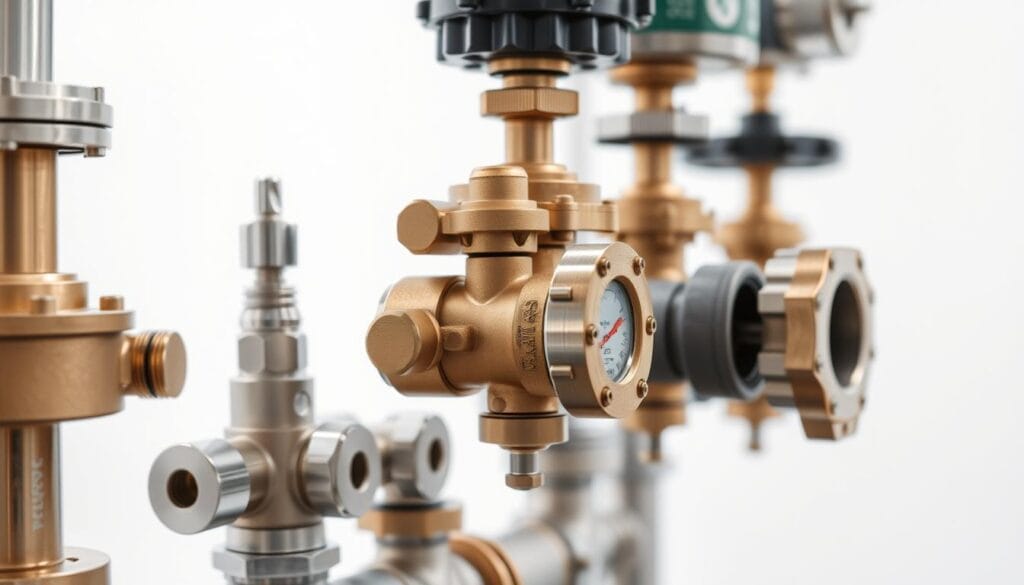
Simple air gaps and vacuum breakers work for low to medium threats. They are compact, low‑cost and easy to service.
Double check assemblies add redundancy with two checks. They suit moderate hazards but lack an external relief, so they are not for the highest health risks.
Reduced pressure zone (RPZ) assemblies vent through a relief port and provide superior protection where contaminants could cause illness.
- Place primary units at the service entrance for whole‑site protection.
- Add point‑of‑use safeguards at high‑risk cross‑connections.
- Match the selected device to continuous pressure, orientation and service access to lower long‑term costs.
Businesses should schedule documented annual testing to verify performance. We supply local brands, parts support and certified installation to keep your water safe and code‑compliant.
Call Lord Mechanical LTD in North and West Vancouver at 604-670-3737 for selection help and certified installs.
Types of backflow preventers and how each one works
Different one-way assemblies suit specific hazards and locations. We outline how each option operates so you can match protection to your property.
Air gaps for dishwashers and sinks
An air gap physically separates a drain from a supply. Streams never meet, so contamination is impossible. This is the simplest way to protect a drinking line under a sink.
Vacuum breakers: AVB and PVB
An atmospheric vacuum breaker (AVB) opens to admit air when pressure drops. Install it at least six inches above the highest outlet and never under continuous pressure.
A pressure vacuum breaker (PVB) handles continuous pressure and suits irrigation lines and medium hazards.
Check valves, DCVA and RPZ assemblies
A check valve lets flow go one way and closes on reverse. A double check valve assembly (DCVA) gives redundancy for objectionable contaminants.
RPZ/RPZA adds dual checks plus a relief zone that vents to atmosphere if thresholds fail. It is the choice for high‑hazard plumbing and boilers.
“Choose the right assembly for the hazard, and schedule regular testing to keep your supply safe.”
| Assembly | Best for | Typical location |
|---|---|---|
| Air gap | Low hazard | Dishwashers, sinks |
| AVB / PVB | Low to medium | Hose bibbs, irrigation |
| DCVA | Moderate hazard | Boilers, fire lines |
| RPZ / RPZA | High hazard | Commercial boilers, labs |
We can help you select and schedule testing to suit local codes. Call Lord Mechanical LTD in North and West Vancouver at 604-670-3737.
How to choose the right prevention device for your water system
A practical selection process pairs the severity of the contaminant risk with how the assembly will be used and serviced.
Assessing hazard level: potable vs. non‑potable connections
We start by mapping all potable and non‑potable water ties on site. Rank each connection by likely contaminants and health impact.
Match the class of assembly to the hazard: low‑risk taps need simple solutions; boilers and chemical feeds need higher protection such as a DCVA or RPZ.
Continuous pressure, orientation, and installation environment
Check whether the assembly sees continuous pressure. AVBs fail under always‑on conditions; use PVB, DCVA or RPZ instead.
Allow space for testing cocks, shutoffs and an RPZ relief discharge. Consider freeze exposure, corrosive air and flood risk when choosing materials and housings.
| Factor | Recommendation | Typical outcome |
|---|---|---|
| Hazard level | Low to high mapping | Correct assembly class |
| Pressure profile | Continuous vs intermittent | AVB vs PVB/DCVA/RPZ |
| Service access | Clearances & enclosure | Easier annual testing |
We favour whole‑site protection near the water meter and add point‑of‑use units for high‑risk branches. We document our selection and can provide a written spec, quote and certified preventer installed to code.
Call Lord Mechanical LTD at 604-670-3737 for a site review in North and West Vancouver.
Pre‑installation checklist: pressure, pipe sizing, orientation, and accessibility
We begin installations with a site check that focuses on water pressure and service access.
Why this matters: incorrect pipe sizing and unseen pressure swings can create nuisance relief discharge or draw contaminants into the line. We verify static and dynamic water pressure to ensure the selected device and preventer operate within their design range.
Our practical checklist guides each install:
- Confirm static and operating water pressure and record baseline readings for future testing.
- Check pipe sizing and flow velocity to avoid excess drops that raise backflow risk.
- Plan orientation and clearances so test cocks and relief discharge are accessible and drained correctly.
- Verify upstream/downstream shutoffs, flush lines to clear debris, and avoid freeze zones or add insulation.
- Respect O‑rings—do not overtighten unions or covers—and tag the unit for annual records.
We coordinate installation windows with occupants to reduce disruption. Call Lord Mechanical LTD in North and West Vancouver at 604-670-3737 for a certified site review and compliant backflow prevention installation.
How to install an air gap at the sink
Installing an air gap at the sink is a simple, code‑compliant step to keep dishwasher wastewater out of your potable line. We show the parts, the fit, and a basic leak check so you can protect drinking water with confidence.
Tools and parts required
- Air gap kit (manufacturer parts)
- Hole saw or drill if no deck hole exists
- Hoses: 5/8″ ID (dishwasher) and 7/8″ ID (to disposer)
- Hose clamps, screwdriver, flashlight and towels
Step‑by‑step installation and leak check
- Position the air gap on the sink or counter so any spill drains to the basin. Codes often require this; where not, a high loop may be allowed.
- Drill and deburr the hole, then seat grommets and assemble the body and cap per instructions. Tighten firmly but do not overtighten.
- Attach the dishwasher discharge to the 5/8″ inlet and the 7/8″ outlet to the disposer or tailpiece. Keep smooth rises and no kinks; clamp both ends.
- Run a full dishwasher cycle and watch the cap during drain. Brief spurting at the top shows the unit is blocking siphonage. Check all joints for leaks.
- Clean the removable cap periodically and record the model and installation date in your maintenance log.
Want us to install and test this for you today? Call Lord Mechanical LTD in North and West Vancouver at 604-670-3737.
How to install a vacuum breaker on hoses, faucets, and spigots
Installing an atmospheric vacuum breaker on an outdoor spigot is a quick way to limit suction hazards on hose connections.
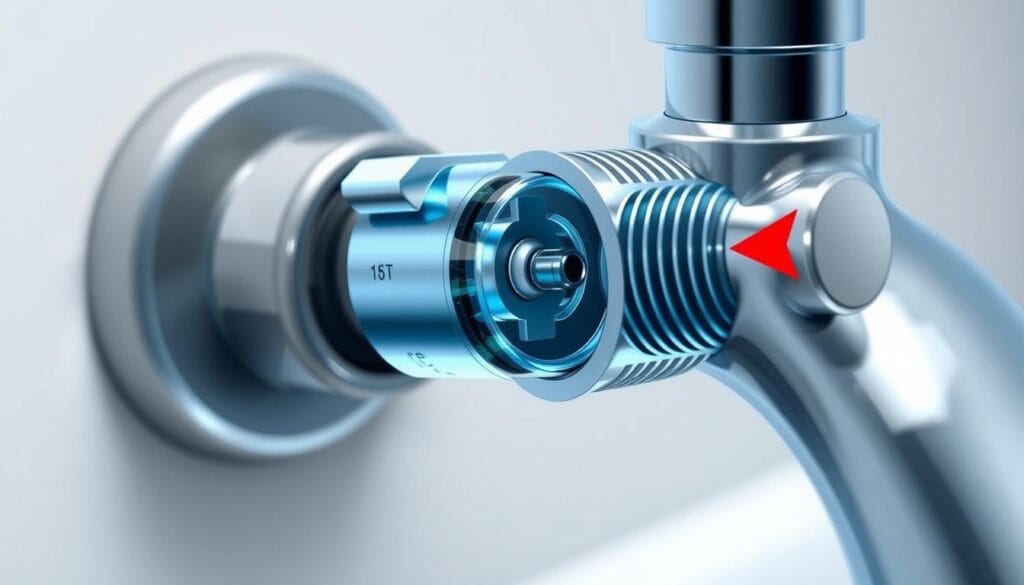
We identify hose bibbs, utility sinks and irrigation hose points as prime spots for an AVB. Check the thread size and choose a matching device.
- Hand‑thread the AVB, then give a snug wrench turn. Do not overtighten seals.
- Mount the AVB at least six inches above the highest downstream outlet to block back siphonage.
- Never fit an AVB upstream of a shutoff or where the line is under continuous pressure.
- Use keyed or tamper‑resistant models outdoors and label taps “equipped with AVB” for easy inspection.
Test by running water, then stop quickly. The vent should admit air and not leak under normal pressure. Inspect vents for mineral build‑up and replace when performance drops.
“Fit the right breaker in the right place, test it, and tag the tap for simple, effective protection.”
| Location | Recommended breaker | Notes |
|---|---|---|
| Hose bibb | Atmospheric vacuum breaker | Must be 6″ above outlet; not for continuous pressure |
| Irrigation manifold | Pressure vacuum breaker or dedicated assembly | Use PVB/DCVA for continuous systems |
| Utility sink | AVB or PVB (as required) | Choose based on pressure profile and access |
We supply bulk fitting and tagging for multi‑unit properties across North and West Vancouver. Call Lord Mechanical LTD at 604‑670‑3737 for certified install and testing of your water supply and preventers.
How to install a check valve or DCVA in residential systems
We begin by confirming the cast flow arrow and planning for clear service access. This ensures the check valve or DCVA sits in the correct orientation and eases future testing.
Shut the water, drain the section and flush lines to remove grit that might hold a check open. Debris can stop a seal from seating and compromise the water supply.
Flow direction, flushing lines, and avoiding overtightening
Verify flow direction with the arrow on the body and allow recommended straight runs upstream and downstream. Install unions and isolation valves so the unit can be serviced without wrecking the whole system.
Hand‑tighten covers and bonnets first, then apply modest torque. Many seals rely on O‑rings — overtightening can pinch them and cause leaks.
Horizontal vs. vertical positioning and freeze protection
Set DCVAs level and accessible for testing. If a model allows vertical mounting, ensure flow is upward and within manufacturer specs.
Locate assemblies indoors where possible. If external siting is unavoidable, add insulation, heat trace or a drained enclosure to protect the component from freezing.
- Check nearby shutoffs for smooth operation to simplify annual testing.
- Perform an initial function check by restoring flow, bleeding air, and watching test cocks for leaks.
- Record model, serial and install date for future testing and maintenance.
“Install carefully, test promptly, and keep clear records for reliable water supply and documented compliance.”
Need certified installation and testing in North or West Vancouver? Call Lord Mechanical LTD at 604-670-3737 for a site visit and documentation.
Testing and maintaining backflow preventers to protect drinking water
Regular testing keeps your water supply safe and proves your system meets local rules. We recommend an annual schedule for commercial sites and strata common systems.
Before instrument testing, we perform a visual check for leaks, corrosion, missing caps and clear drainage at relief outlets. These quick inspections catch obvious faults fast.
Annual testing cadence and visual inspections
Certified testing uses calibrated gauges on test cocks to measure check valve differential and to verify relief opening pressures where applicable.
- RPZ assemblies are typically checked yearly; other units follow risk-based intervals.
- We clean or replace springs and rubber seats to restore factory performance and stop nuisance discharge.
- We keep logs with device ID, location, results, repairs and retest confirmations for compliance and warranty.
When to call a certified tester in British Columbia
Call us when you see persistent dripping, unexplained relief discharge, or after any plumbing work. Tools are specialised and many jurisdictions require licensed testers.
We schedule reminders, bundle testing across properties and brief you on findings so you stay compliant and avoid surprises.
Need certified testing in North or West Vancouver? Call Lord Mechanical LTD at 604-670-3737 to arrange inspections, repairs and documented testing for your water system.
Troubleshooting leaks: common causes and fixes
A steady drip after installation can be normal, but constant leakage means the unit needs attention. We walk you through quick checks and practical fixes so you can protect your drinking supply and plumbing integrity.
Debris, wear and installation errors
First, identify the leak type: intermittent relief discharge or steady seepage at joints and test cocks. This tells us whether a check or a joint is at fault.
We remove and rinse internal spring assemblies to clear grit that stops checks from seating. Worn washers, diaphragms and O‑rings get replaced as part of routine service.
Improper installation—reversed orientation or overtightened bonnets—can distort seals. We correct orientation and torque to manufacturer specs.
High pressure and relief discharge
Excessive upstream pressure will open relief ports. We measure water pressure and may recommend a pressure‑reducing valve to stop nuisance discharge.
We also verify RPZ discharge piping is clear and sized correctly to avoid backpressure on the relief port.
- Inspect elastomers and replace cracked parts.
- Clear strainers and flush lines to reduce sediment in mineral‑rich supplies.
- Assess freeze or heat damage and replace cracked bodies or caps.
- Test after repairs and document results for future testing and service.
“Persistent flow deserves prompt service—sustained discharge can signal check failure or abnormal water pressure.”
Need help diagnosing a leak? Call Lord Mechanical LTD in North and West Vancouver at 604-670-3737 for certified testing and repair of your preventer and system.
Seasonal considerations in coastal B.C.: temperature swings, freezing risk, and water pressure changes
Coastal winters bring rapid temperature swings that stress water lines and can change pressure patterns overnight. We plan winterisation for exposed assemblies and advise draining or insulating irrigation and hose connections before freezes arrive.
Cold snaps can create pressure differentials that strain checks and diaphragms, increasing leak risk. Sudden dips in the water main pressure may induce back siphonage, while receiving‑side increases can cause back pressure. That’s why tested protection and accessible preventers matter.
We recommend enclosures or heat tracing for outdoor units and keeping relief discharge paths unfrozen and clear. Spring start‑up checks confirm systems resume normal operation after winter layup.
- Flush sediment after storms or nearby construction to protect seals and valves.
- Coordinate strata testing windows so preventers are accessible and disruption is minimal.
- Verify irrigation controllers do not pressurise AVB‑equipped lines continuously; upgrade to PVB or DCVA where needed.
- Track local water pressure trends and adjust PRVs to stabilise pressure and extend component life.
| Season | Action | Benefit |
|---|---|---|
| Pre‑winter | Drain/insulate exposed assemblies | Reduces freeze damage and relief discharge |
| Winter | Protect relief paths; heat trace enclosures | Prevents ice blockages and service interruptions |
| Spring | Start‑up checks and sediment flush | Restores reliable operation and reduces leaks |
Need seasonal service in North or West Vancouver? We offer tailored packages to keep your water supply and testing on schedule. Call Lord Mechanical LTD at 604-670-3737.
Compliance and best practices: keeping systems up to code in Canada
Correct installation, accessible siting and documented testing keep your plumbing compliant and public water protected.
Modern Canadian codes require protection at every cross‑connection. We place a primary assembly near the service entrance so the water supply for the whole property is guarded and easy to inspect.
Key on-site rules: AVBs must not be under continuous pressure and must sit at minimum heights. RPZs must vent safely to atmosphere and have clear drainage for relief discharge.
- Match assembly to hazard: use DCVA or RPZ for boilers and fire lines with chemical or thermal risk.
- Keep clear access and tag units so annual testing and repairs are straightforward.
- Record results, model numbers and repairs to meet municipal and strata reviews.
Training matters: use certified installers and testers in B.C. and run periodic audits of all assets, tags and test intervals.
Compliant units, fitted correctly, protect your site and the wider public supply.
We can audit your site, prepare a remediation plan and perform testing to bring every connection up to code. Call Lord Mechanical LTD in North and West Vancouver at 604-670-3737.
Get professional help in North Vancouver: certified installation and testing at 604-670-3737
Need certified help on the North Shore? We offer selection, installation and onsite testing for homes and businesses across North and West Vancouver.
We place primary assemblies near the water meter or main shutoff and add point‑of‑use units where needed. That layered approach limits hazards and keeps your plumbing compliant.
Our technicians bring calibrated gauges and trained field staff to verify check valves and relief functions. We complete documentation and file reports so you have proof of annual testing and code compliance.
- Fixed quotes and lifecycle plans so you know total ownership cost.
- Site audits, tagging of each unit and automated reminders before due dates.
- Fast emergency response for leaks, relief discharge or suspected contamination.
- Maintenance, repairs and parts replacement with minimal downtime.
“We install assemblies correctly, test them with calibrated tools, and back our work with local references.”
Call Lord Mechanical LTD at 604-670-3737 to book an assessment, have a backflow preventer installed, or schedule certified testing and ongoing support.
Conclusion
Simple upgrades and routine checks guard your household and business water supply.
We recommend familiar safeguards: air gaps, AVB/PVB fittings, DCVA and RPZ assemblies to match each hazard and site. Correct selection, neat installation and annual testing keep a preventer reliable and your drinking water safe.
Coastal B.C. adds pressure swings and freeze risk, so seasonal checks matter. Keep tags, records and test logs to show compliance and speed repairs when parts age.
Proactive audits find old cross‑connections and assemblies needing upgrade. Partner with Lord Mechanical LTD for local expertise in North and West Vancouver — call 604‑670‑3737 to book an assessment. Thanks for putting safe water first; we look forward to helping you keep your systems dependable year‑round.