

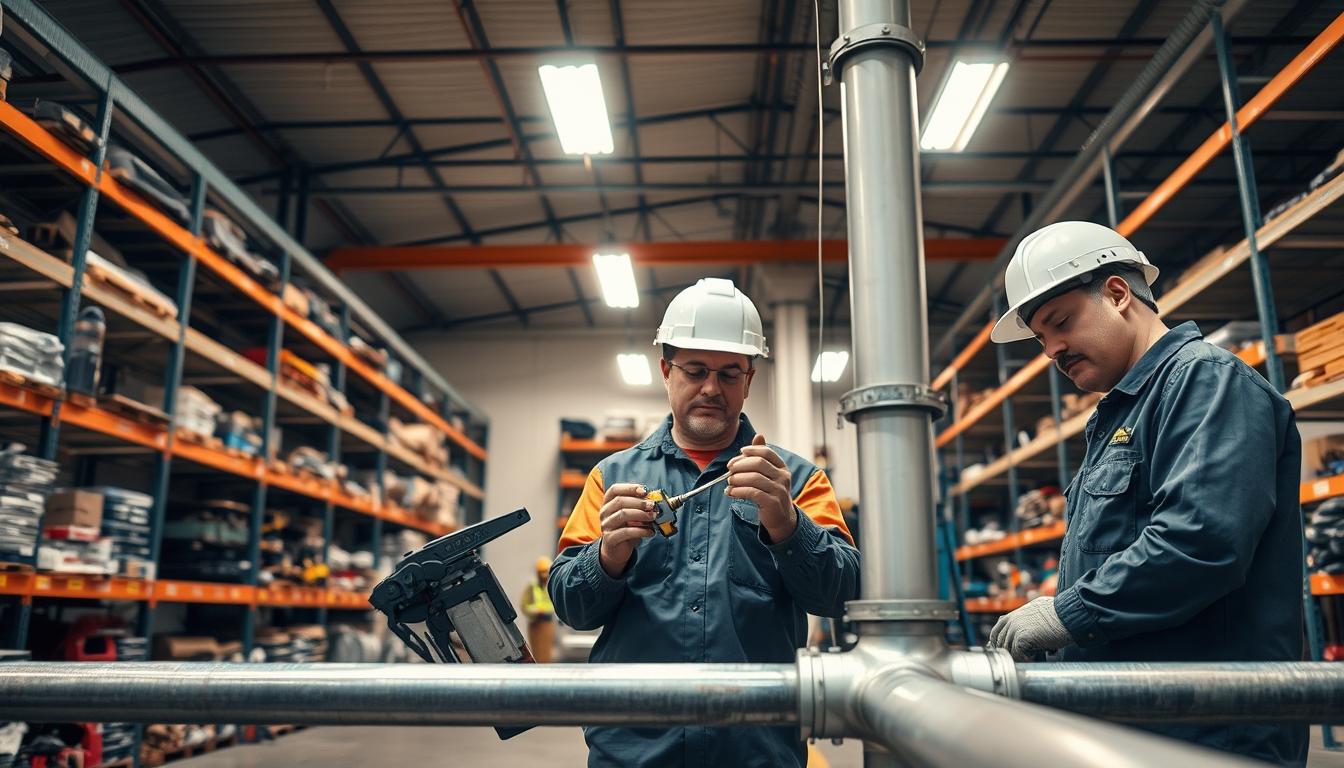
Could a small, unseen problem be costing your home or business thousands without you knowing?
We are Lord Mechanical LTD, serving North Vancouver and West Vancouver with clear, professional service. Our local team uses proven LDAR practices and Method 21 to find issues fast. We use calibrated equipment and daytime-tested routines to save time and limit disruption.
Quick action improves efficiency, safety, and compliance. Early work prevents water damage, mould, and gas risks at homes. For small facilities, it protects uptime and the environment while cutting product loss.
We assess each issue, prioritise safety, and organise work so the result is right the first time. For prompt help, call Lord Mechanical LTD at 6046703737 today.
Key Takeaways
- Our local team combines LDAR best practices with calibrated equipment for accurate outcomes.
- Early action reduces water damage, mould risks, and gas hazards at residences.
- Structured programs help facilities meet timelines and maintain compliance.
- Durable labels and electronic data capture improve tracking and quality control.
- Call Lord Mechanical LTD at 6046703737 for prompt, professional service in North Vancouver.
Why leak detection matters today in North Vancouver homes and facilities
D. Moisture, ageing pipes and coastal freeze‑thaw cycles raise the chance that a small leak becomes a major problem in local homes.
We follow EPA‑driven LDAR practices to find leaks in valves, pumps and connectors quickly. Prompt detection reduces emissions, cuts product loss, and prevents costly repairs to structures and equipment.
A simple management program improves safety and compliance. Know shut‑offs, schedule routine inspections, record findings, and create immediate work orders when we find an issue.
- Coastal water risks: prevents mould and structural damage.
- Business continuity: protects operations and efficiency.
- Gas safety: aligns with evolving regulations and community expectations.
“Timely reporting, swift repair, and preventive follow‑ups reduce repeat incidents and downtime.”
| Risk | Impact | Recommended action |
|---|---|---|
| Small water leaks | Mould, costly repairs | Routine inspections, prompt work orders |
| Equipment seepage | Operational loss, higher costs | Use calibrated equipment, set goals |
| Gas escapes | Safety, regulatory risk | Immediate isolation, certified team response |
We prioritise safety and clear roles during an event. If you suspect water leaks or smell gas, call our team at 6046703737 for prompt, expert support in North Vancouver.
How leak detection and repair works: from finding to fixing leaks
A clear workflow turns an identified issue into safe, timely action. We begin with simple checks and escalate to targeted scans when needed. This keeps disruption low for homes and small facilities in North Vancouver.
Common sources in water, gas and process systems
Worn faucet cartridges, failed toilet flappers and corroded water heaters are frequent in homes. In light process systems, valves, pumps, connectors, compressors and agitators are common points of failure.
Detection methods we use
We pair visual checks with pressure and flow tests to narrow where leaks start. Acoustic listening finds hidden escapes behind walls or slabs.
Infrared scans reveal temperature anomalies caused by escaping water or gas. For VOCs in industrial settings, Method 21 with calibrated equipment targets valves and connectors precisely.
Repair workflows and verification
When we confirm a problem, our technicians create a safe work plan. If safe, we do immediate fixes; otherwise we schedule a shutdown to protect operations and safety.
Best practice is first work within five days and final work within 15 days, with documented Delay of Repair items for the next shutdown if needed.
We verify every fix using the same method that found the issue. That closes the loop for you, your insurer and your facility management. For prompt, professional service in North Vancouver, call Lord Mechanical LTD at 6046703737.
Step-by-step guide to detecting and repairing leaks in your home or business
Start with safety, then work methodically: that approach prevents small faults from becoming costly problems.
Prepare: safety, shut-offs, and gathering basic tools
Locate main water and gas shut‑offs and confirm you can operate them safely. Gather a flashlight, towels, bucket, wrench, and leak‑detection soap for gas fittings.
Keep phone numbers handy so you save time if you need help.
Detect: tracing water leaks, gas odours, and pressure drops
Check the meter when no fixtures run. Look for wet ceilings, damp baseboards, or hissing at joints. Note sudden pressure drops or strange odours.
Never use open flame. If odours are strong, ventilate, evacuate, then call our team at 6046703737 and the utility.
Repair: sealing, replacing components, and preventing costly repairs
For minor fixes, isolate the fixture, relieve pressure, and inspect seals. Tighten packing nuts, replace washers, or swap a failed flapper.
Use PTFE tape or approved sealant on threaded joints and torque to spec. Large or corroded supply lines need professional technicians to avoid costly repairs.
Verify and track: re-test, document, and schedule maintenance
Restore service slowly and watch joints for seepage. Re‑test with the same method you used to find the problem.
Document what you observed, what you replaced, and the date so you can track trends. Create a work order and aim for first fix within five days and final work within 15 days.

| Action | Who | Target time | Notes |
|---|---|---|---|
| Initial isolation | Homeowner / Team | Immediate | Shut‑offs verified, safe to operate |
| Temporary fix | Technicians | Within 5 days | Work order created, QA/QC logged |
| Permanent repair | Certified team | Within 15 days | Barcode asset and document outcome |
Prefer a professional end‑to‑end solution? Call us at 6046703737. We will manage detection, repair, verification, and documentation for you in North Vancouver and West Vancouver.
LDAR programs explained: building a compliant leak detection repair system
Clear structure prevents surprises. We define an ldar program as a system that finds and fixes leaks from valves, pumps, connectors and similar equipment. This reduces volatile organic compounds and keeps you aligned with compliance expectations.
Method 21 and calibration matter. Method 21 monitoring uses properly calibrated analyzers per 40 CFR Part 60 so results are repeatable and defensible during audits. Calibrated equipment and repeatable techniques are the backbone of any robust ldar program.
We turn findings into action with immediate work orders. Our target is a first work within five days and final work within 15 days. Items needing shutdown go on a Delay of Repair list with scheduled timelines.
Program controls that make a difference
- Training, internal and third‑party audits, and contractor oversight boost accountability.
- Electronic data capture with daily QA/QC lets technicians spot trends in real time.
- Durable bar code asset tags (Metalphoto with Teflon) survive harsh sites for decades.
| Element | Benefit | Target |
|---|---|---|
| Method 21 monitoring | Defensible readings for audits | Calibrated analyzers |
| Work order process | Faster closure of leaks | First 5 days / Final 15 days |
| Data & asset tags | Trend visibility, durable records | Electronic capture, Metalphoto tags |
Results matter: fewer leaks, lower emissions, and meaningful cost savings. If you want a right‑sized ldar programs for a small North Vancouver facility, we can build and manage the system for you—call 6046703737.
Choosing the right detection technology for your operations
We match tools to your site so you get timely, cost‑effective results.
Choosing the right technology starts with your goals. Do you need broad screening, fast alerts, or pinpoint confirmation? Each option has trade‑offs in cost and sensitivity.
Comparing satellite, drones, thermal cameras and portable instruments
Satellite is low cost but low resolution and weather dependent. Use it as a screening layer, not a primary system.
Drones with thermal cameras pick up heat or cold signatures and plumes. They work well but require trained operators and higher equipment costs.
Portable instruments remain the best choice for close‑in confirmation. They complement remote scans and enable rapid fixes on site.
Real-time perimeter sensors and software-linked alerts
Perimeter sensors provide continuous data and can triangulate likely sources using wind and weather inputs. That real‑time data lets you act quickly when a gas event occurs.
Ultraviolet Raman options for VOCs such as benzene
Ultraviolet resonance Raman delivers sensitive, industry‑grade monitoring for benzene and similar VOCs. It supports instant boundary monitoring and faster responses than lab methods like EPA 325A/325B, which can take weeks.
When advanced optics vs. traditional tools make sense
A hybrid approach often wins: remote or optical systems for continuous coverage, plus portable tools for confirmation. We weigh equipment durability, asset labelling and serviceability against your budget and site challenges.
| Option | Strength | Best use |
|---|---|---|
| Satellite | Low cost, wide area | Broad screening layer |
| Drones + thermal | High spatial detail | Plume mapping, targeted surveys |
| Perimeter sensors | Real‑time alerts | Continuous monitoring, rapid response |
| Ultraviolet Raman | VOC sensitivity | Benzene monitoring at boundaries |
We provide balanced advice so you can choose systems that suit your operations and cost targets. For a tailored assessment and a sensible plan, call us at 6046703737.
Compliance in Canada and beyond: VOC regulations and LDAR obligations
Regulatory change is reshaping how sites monitor volatile emissions across North America. We explain key rules plainly and offer practical steps you can take now in North Vancouver.
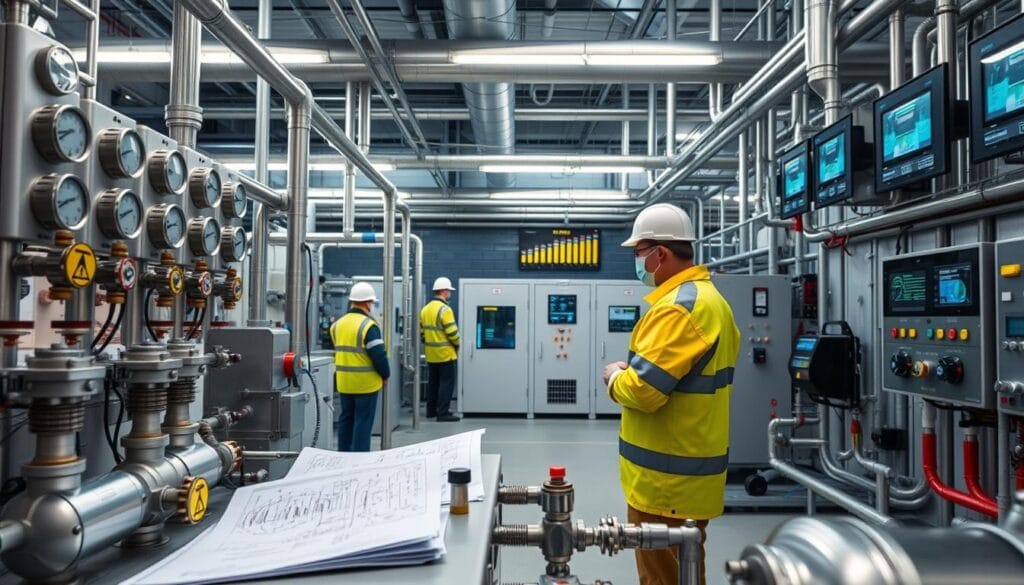
EPA frameworks and Methods 325A/325B
The U.S. framework shows why structured programmes matter. EPA Methods 325A/325B use perimeter tubes and lab analysis.
Lab results often take about two weeks. That delay can slow urgent response and raise environmental risk.
Proposed Canadian VOC rules
Canada’s proposed Regulations Respecting Reduction in the Release of Volatile Organic Compounds (Petroleum Sector) signal broader ldar expectations. Expect perimeter VOC monitoring and formal records.
Designing practical programmes that meet regulations while improving safety
Short-term: add clear roles, documented procedures and faster verification for critical finds.
Medium-term: combine Method‑based sampling with real‑time sensors to cut response time and prove compliance.
- EPA frameworks show structured programmes are audit-ready, but lab time can delay action.
- Proposed Canadian rules push facilities to plan for perimeter monitoring and stronger controls.
- We help design an ldar program that prioritises safety while meeting compliance timelines.
“Selecting faster technologies shortens risk windows and supports better environmental outcomes.”
For guidance specific to your operations and a tailored compliance plan in North Vancouver, call 6046703737. We will help align your ldar program with current and emerging regulations.
Data-driven efficiency: using real-time data to cut costs and emissions
Real-time operational data turns routine checks into measurable savings across a facility. We focus on creating a single record that teams can trust so decisions are fast and consistent.
Automatic capture, QA/QC and daily review
Automatic data capture shortens feedback loops. When field instruments and apps log readings, we act sooner and improve efficiency across operations.
Daily QA/QC on technician data keeps quality high. A quick review flags recurring issues and guides smarter maintenance scheduling.
Setting measurable facility goals
We set a facility-wide leak-rate goal with you, then track progress using clear, simple metrics. That lets managers show steady improvement during audits.
Turning fewer leaks into lower costs
Reduced leaks cut emissions and product loss. For many sites, disciplined data practices can cut emissions significantly and translate into real cost savings.
| Metric | Impact | Example |
|---|---|---|
| Emission reduction | Lower regulatory risk | Up to 63% at refineries |
| Product loss | Direct savings | Potential near $730,000 annually |
| Uptime | Fewer surprises | Improved equipment performance |
- Real-time data from perimeter or in-process sensors accelerates decisions and makes it easier to prioritise the next repair.
- Consolidated records show where repairing leaks delivered the biggest wins for cost and performance.
- We standardise naming, barcoding and routine checks so your team finds information fast and avoids rework.
Program management that uses solid data means fewer surprises, lower costs over equipment life and better uptime. If you want help setting up a right-sized ldar program and essential workflows, call us at 6046703737.
When to call a professional team in North Vancouver
Early intervention by a qualified team reduces risk and long-term costs for homes and small facilities.
Signs you need certified technicians and advanced equipment
If you smell gas, hear persistent hissing, or see pooling water, call us immediately. These are clear triggers that need fast action.
Other signs include sudden utility bill spikes, damp walls or ceilings, or recurring faults that return after fixes. Complex or repeating issues often need certified technicians and specialised equipment to find the root cause.
We act safely: we isolate systems, verify atmospheres, and only restore service when conditions are proven safe.
Coordinating rapid response, repairs, and ongoing management
Our team coordinates operations, sets timelines, and keeps communication clear so work happens on time with minimal disruption.
- Call immediately for smell of gas, hissing, pooling water, sudden utility spikes, or damp ceilings suggesting water leaks.
- We can install temporary controls in place and plan permanent work at the earliest safe time.
- We bring targeted systems and tools to locate issues precisely without unnecessary openings.
- We provide documentation for insurers or auditors and offer ongoing management to prevent repeat incidents.
| Trigger | Immediate action | Who |
|---|---|---|
| Gas smell or hissing | Evacuate, ventilate, call certified team | Technicians |
| Pooling or visible wet areas | Isolate supply, temporary control | Team |
| Recurring faults / sudden bills | Advanced equipment scan, root cause work | Certified technicians |
When time matters, our rapid response reduces risk windows compared with longer lab-based methods. For fast, safe solutions in North and West Vancouver, call Lord Mechanical LTD at 6046703737. We will send our team and manage the job from first contact through final documentation.
Conclusion
A strong ldar program turns routine checks into measurable efficiency gains for homes and facilities.
We build practical ldar systems that pair clear procedures with durable asset tags and real-time data to shorten response times while keeping cost in view.
Good programs scale: they prove compliance, cut volatile organic compounds, and make managing facilities simpler for owners and managers.
We focus on repairing leaks quickly, preventing recurrences, and documenting results so your records stand up during audits.
Want tailored solutions in North or West Vancouver? Call Lord Mechanical LTD at 6046703737 for guidance on an ldar program that meets industry needs and protects your environment.