

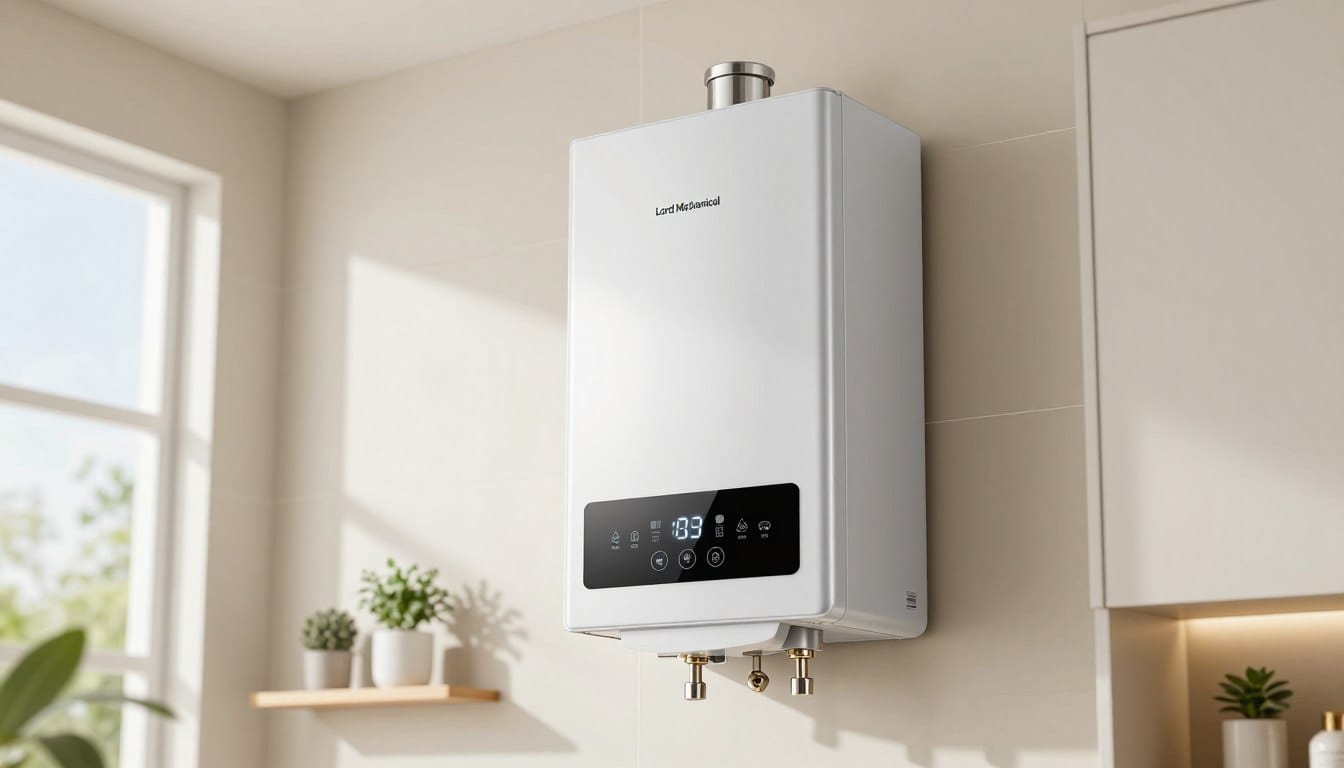
Surprising fact: in Canada, heating water can make up about 15–25% of a household’s bill—some estimates put it near 17% of home energy use.
We’ll show what “worth it” means for Vancouver-area owners beyond sticker price. That includes total cost of ownership, comfort, reliability and future risk reduction.
Why this matters: water heater systems run year-round and drive a large slice of household use. Choosing the right system can lower monthly costs over the next years and avoid emergency replacement.
In this guide we cover major types, ratings and labels, sizing, realistic installation issues in North and West Vancouver, and how to get contractor-ready quotes. We focus on practical options for tight mechanical rooms, venting routes and electrical limits.
If you want help selecting or installing the right unit, call Lord Mechanical LTD at 6046703737 for clear, local advice and service planning.
Key Takeaways
- Heating hot water can be a major portion of your home utility spend in Canada.
- “Worth it” means lower total costs, steady hot water and less risk, not just the purchase price.
- We cover types, labels, sizing and realistic installation concerns for Vancouver properties.
- Families with high hot water demand or old tanks gain the most from upgrades.
- Plan replacements during renovation or before failure—call Lord Mechanical LTD at 6046703737 for local help.
What “worth it” means when buying a new water heater in Canada
Deciding if a new unit is “worth it” means weighing long-term bills, risk and how a model fits your Vancouver home.
How much of your bill does heating use? In Canada, heating hot water commonly accounts for roughly 15–25% of a household’s utility bill. That share makes the choice of water heaters a meaningful budget decision for most homes.
Upfront cost versus ten-year savings
Compare purchase + installation + operating energy and routine maintenance over 10+ years. A higher sticker price can pay back through lower monthly costs and longer life.
We recommend calculating a simple payback: extra purchase cost divided by annual savings. That shows if an upgrade makes sense for your household pattern.
Don’t wait for a leak
Waiting until failure risks property damage, rushed buys, and limited model choice. Watch for warning signs: age, rust around fittings, inconsistent hot water, slow recovery, or odd noises.
- Risk management: plan replacements before failure to avoid flood repair and emergency installation premiums.
- Fuel reality: gas and electricity operating costs differ; fuel type will shape which upgrades truly pencil out.
Next, we’ll measure labels, standby losses and peak performance so you can choose the right model and site prep for North and West Vancouver. For local guidance, call Lord Mechanical LTD at 6046703737.
energy efficient water heaters: key features that lower bills
Here’s how specific design changes translate into lower monthly bills and better hot water reliability.
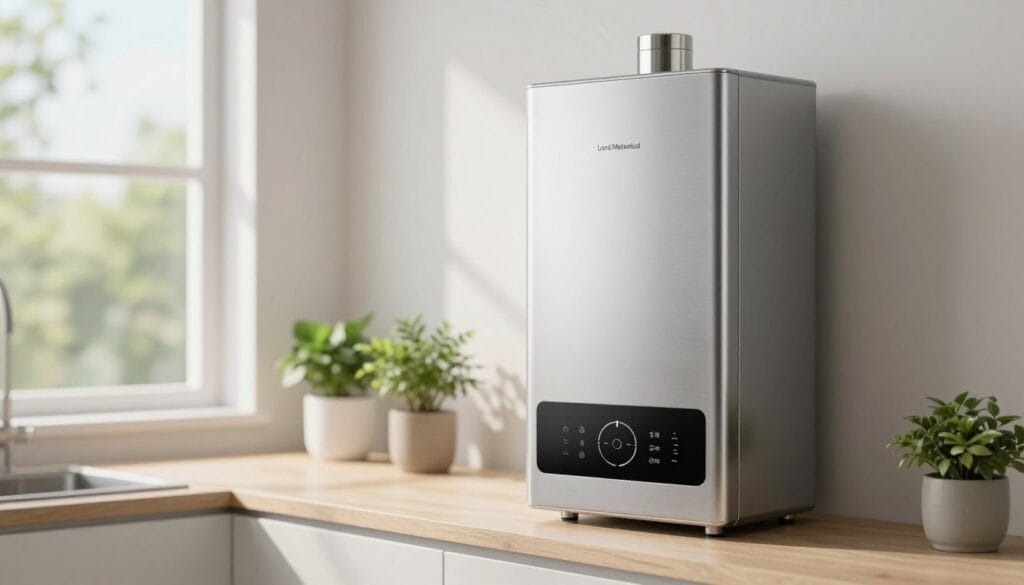
ENERGY STAR® certified models and what the label signals
ENERGY STAR® certified marks models that cut standby loss and use smarter controls. For Vancouver homes this label helps shortlist units that typically cost less to run over a decade.
Energy Factor and benchmarks for gas, oil and electric
Energy Factor (EF) is the practical rating to watch. Traditional gas and oil units often sit around 0.53–0.70 EF. Higher-performing gas models reach 0.67+ EF. Hybrid electric designs can top EF values near 2.00–2.20.
Standby heat loss and demand timing
Standby heat loss is a hot tank shedding heat all day, forcing repeat reheats. Better insulation and factory heat traps cut those losses and lower runs.
Real savings depend on your hot water habits. Peak draws, cold inlet temperature and recovery speed decide whether a high-rated unit performs well in your home.
Next: pick a type that matches your fuel, space and peak needs. For local guidance, call Lord Mechanical LTD at 6046703737.
Choosing the right type of water heater for your home and fuel source
Selecting the right type water heater starts with matching fuel, space and hot water demand to how each system performs in real homes.
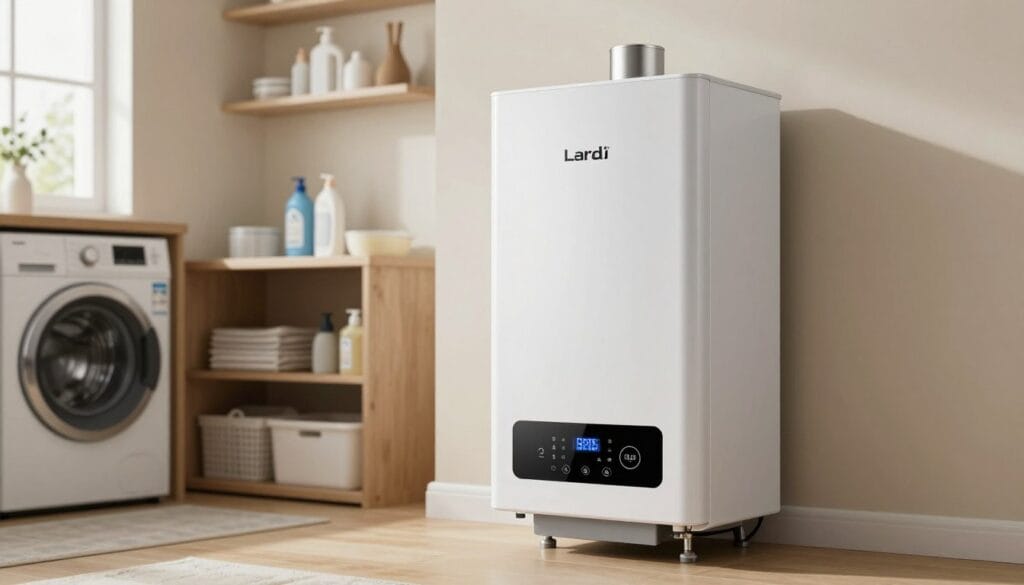
Storage tanks and when improved insulation pays
Storage tank systems are the common default. They cost less to install and suit many retrofit jobs.
When to upgrade: choose an ENERGY STAR® tank model with better insulation and heat traps if you want lower standby loss without changing fuel or plumbing.
Tankless performance: on-demand delivery
Tankless units remove standby loss by heating only when hot water is needed. They can be gas or electric and work well for steady flows.
Note: high simultaneous draws may require multiple tankless water heaters or point-of-use units to avoid shortfalls.
Heat pump (hybrid) options
Heat pump water systems use electricity to move heat from the surrounding air into the tank. Upfront cost can be higher.
Who benefits: homeowners with space for the unit and cooler basement air can save over time compared with standard electric water heaters.
Solar and two-tank designs for Canadian climates
Solar water heaters often use a two-tank arrangement and require freeze protection. They pair with a backup heat source for cloudy periods.
Advantage: properly sized solar systems can reduce yearly energy use by a large share and extend system life.
Gas vs electric: fit and operating cost
Gas water heaters usually have lower operating cost where natural gas is available, but venting and combustion clearance matter for installation.
Electric and electric water heaters work where gas isn’t available and can pair with solar PV or a heat pump for better operating economics.
- Quick guide: storage tank for simple retrofits; tankless for point-of-use or high-flow planning; heat pump for electricity-led upgrades; solar for long-term reduction with backup.
- Call Lord Mechanical LTD at 6046703737 for a site check in North or West Vancouver.
Sizing, installation, and home readiness before you buy
We start with a practical audit of peak-hour demand to pick the right system for your home.
Estimating peak-hour demand and matching First Hour Rating
Count who showers, runs laundry and uses the dishwasher during the busiest hour. Add shower, faucet and appliance draws to find gallons needed per hour.
Match the First Hour Rating (FHR) to within 1–2 gallons of that peak number. That prevents shortfalls without paying for extra size.
Infrastructure checks that affect installation costs
Confirm gas line sizing, venting route, and mechanical room dimensions before you shop. Switching fuel types can need panel or service upgrades.
Ask about condensate drains and permit needs early to avoid surprise costs at installation.
Point-of-use and multi-unit tankless options
High-demand homes often benefit from multiple tankless units or point-of-use fittings to keep peak delivery steady across distant fixtures.
Work with a professional to get sizing right
We recommend a plumber to measure demand, review hookups and confirm the best product. This reduces oversizing, avoids added costs and protects comfort.
| Option | Best for | Space impact | Common installation notes |
|---|---|---|---|
| Storage tank | Moderate peak use | Requires mechanical space | Check venting and tank clearance |
| Tankless | Continuous flow, point demand | Compact wall mount | May require multiple units and gas/vent upgrades |
| Point-of-use | Remote fixtures, high peak spikes | Minimal local space | Reduces pipe lag and supports staged supply |
Make sure you plan installation timing, permit steps and disposal of the old unit. Call Lord Mechanical LTD at 6046703737 for a site visit in North or West Vancouver.
Conclusion
Make your replacement choice with foresight—planned upgrades beat emergency swaps every time.
When a model matches your fuel, peak demand and installation limits, the extra upfront payback shows across the unit’s life. Choosing ENERGY STAR® or higher-rated designs can cut energy use noticeably, since hot water often makes up a large share of a Canadian home’s bills.
Key actions: size for peak hot water demand, confirm venting and service readiness, and pick the type that fits your site—upgraded tank, tankless, heat pump or solar pairing.
Final checklist for quotes: desired type, fuel source, target label, capacity/FHR, location limits, and required upgrades. Plan replacement before failure to avoid leaks and rushed buys.
For tailored advice and professional installation in North or West Vancouver, call Lord Mechanical LTD at 6046703737.