

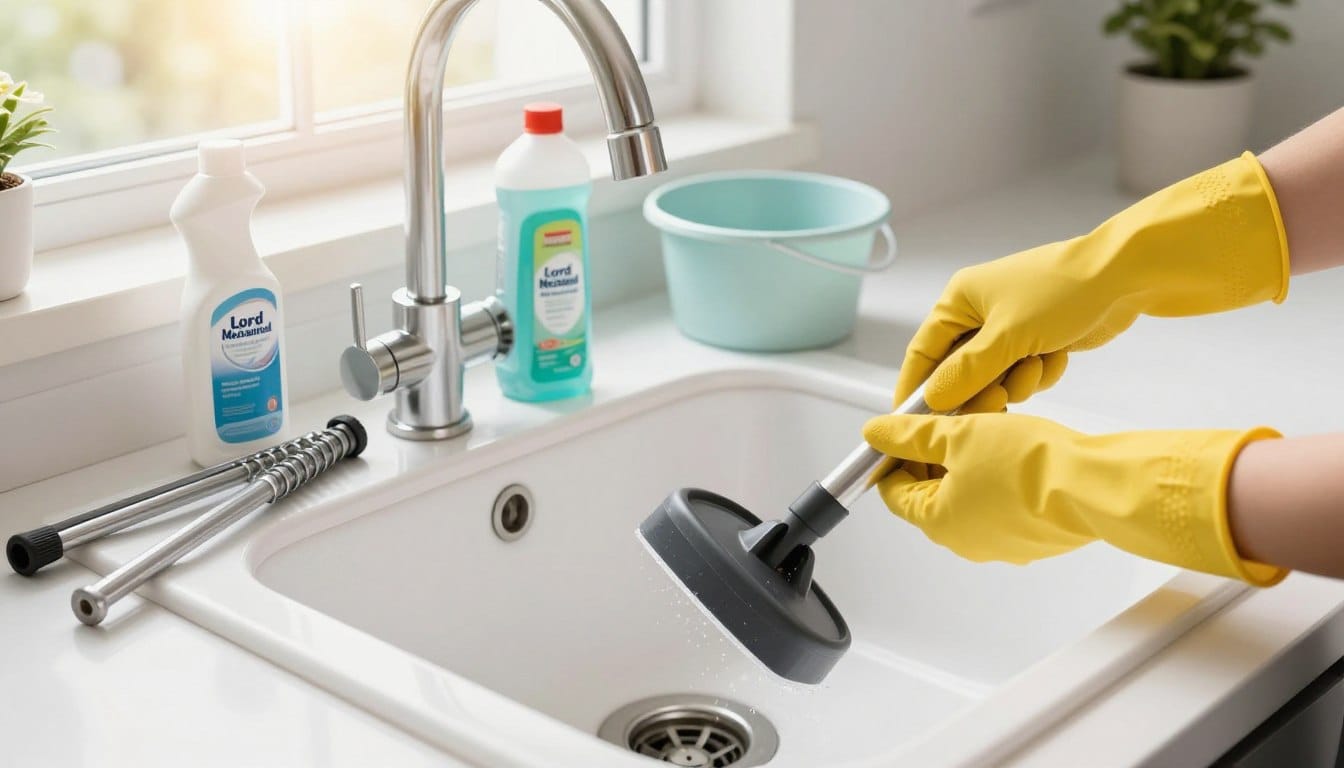
One in three Canadian homes faces slow pipes or standing water each year — a surprise that shows how common small blockages become.
We’ll cut through the quick fixes that waste time and show what works in real Vancouver homes. Our goal is practical, safety-first guidance for everyday plumbing problems.
First, we explain how to pick the right first step based on what you see: slow flow, standing water, or repeated backups. Then we walk through a staged approach: simple hot-water and household methods, basic tools, under-sink checks, and when to call a pro.
We focus on common causes — kitchen grease, hair and wipes — and on which apparent solutions can harm pipes or push debris deeper. Our advice aims to protect your system and prevent corrosion, flooding, and sewage backup risk.
If a problem persists, call Lord Mechanical LTD at 604-670-3737 — we serve North and West Vancouver and can help with safe, lasting fixes.
Key Takeaways
- Small blockages are common; early action prevents bigger water damage.
- Start with safe, household methods before using tools or chemicals.
- Different symptoms need different first steps to avoid making the blockage worse.
- Some quick fixes can harm pipes or push debris deeper — avoid them.
- Call a licensed pro if problems recur or you face standing water or sewage risk.
Why drains clog in the first place
Everyday materials and ageing pipes quietly reduce flow until a small problem becomes urgent. In homes across North and West Vancouver, common household waste starts most clogs.
Everyday culprits include kitchen food scraps and grease that stick to pipe walls. Hair and soap scum collect in shower traps, and so‑called flushable wipes and other paper products often fail to break down. These materials gather as debris and narrow the passage for water.
Pipe-related causes matter too. Hard water mineral buildup creates scale that reduces flow over time. Corrosion and old pipes develop rough interiors, cracks or leaks that catch more debris and make a clog persistent.
Ignoring early signs—slow flow or odd odours—can lead to backups, flooding and health risks from sewage. If you see repeated problems in several fixtures, that pattern often points to a deeper line issue that needs a professional inspection.
Need help? Call Lord Mechanical LTD at 6046703737 for service in North and West Vancouver.
Drain clearing tips you can try first with items you already have
We recommend beginning with gentle, proven home methods that target new grease and buildup near the opening. These are our lowest-risk approaches and often fix a slow, clogged drain in a kitchen sink without tools.
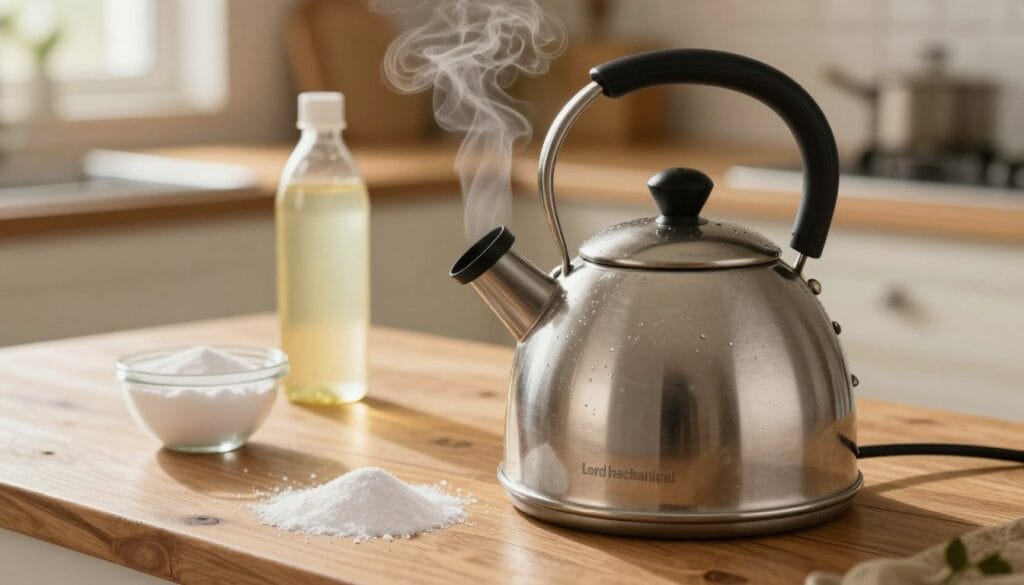
Boiling or very hot water to melt grease and loosen new clogs
Remove standing water first so heat can reach the blockage. Slowly pour boiling or very hot water in stages to avoid splashing. Wait a few minutes between pours and repeat if you see improved flow.
Salt and hot water to scour buildup
Pour about ½ cup of ordinary salt down the opening, then follow with hot water after a short wait. The salt works like a gentle exfoliant on pipe walls and helps dislodge soft deposits. Repeat once if needed.
Dish soap and hot water for grease-heavy kitchen sink clogs
When grease is likely, squirt a generous dose of dish soap into the opening, let it sit for a few minutes, then flush with hot water. The soap emulsifies fats so water can move the debris away.
Safety note: Avoid overfilling, splashing and mixing cleaners. If the problem persists or you face standing water, call Lord Mechanical LTD at 6046703737 for service in North and West Vancouver.
Baking soda and vinegar: how to do it properly without damaging your pipes
A simple baking soda and vinegar cycle can help loosen soft buildup without harsh chemicals. We treat this as a maintenance method that works best on light, recent blockages rather than heavy grease or compacted matter.
What the fizzing action does (and when it helps)
The fizz is a rapid gas release that agitates and lifts soft deposits. This helps dislodge hair, soap residue and thin grease near the opening.
It is not effective on solid plugs, mineral scale, or deep line obstructions. For those, tools or professional service are needed.
Step-by-step procedure and wait time
Follow this simple, repeatable routine:
- Pour about one cup baking soda into the opening.
- Add an equal amount of vinegar and quickly cover with a stopper to focus the reaction.
- Let it sit for about 10–15 minutes, then flush with very hot water.
When to repeat and when to switch
If you see partial improvement, repeat the cycle once more. If there is no change, or if standing water remains, switch to hand tools or call a pro.
This method supports routine drain cleaning and is gentler than harsh chemical products. For persistent problems in North or West Vancouver, call Lord Mechanical LTD at 6046703737.
Tools that clear clogs fast when DIY liquids aren’t enough
Knowing which tool to use and how to use it keeps small problems from becoming big, costly repairs.
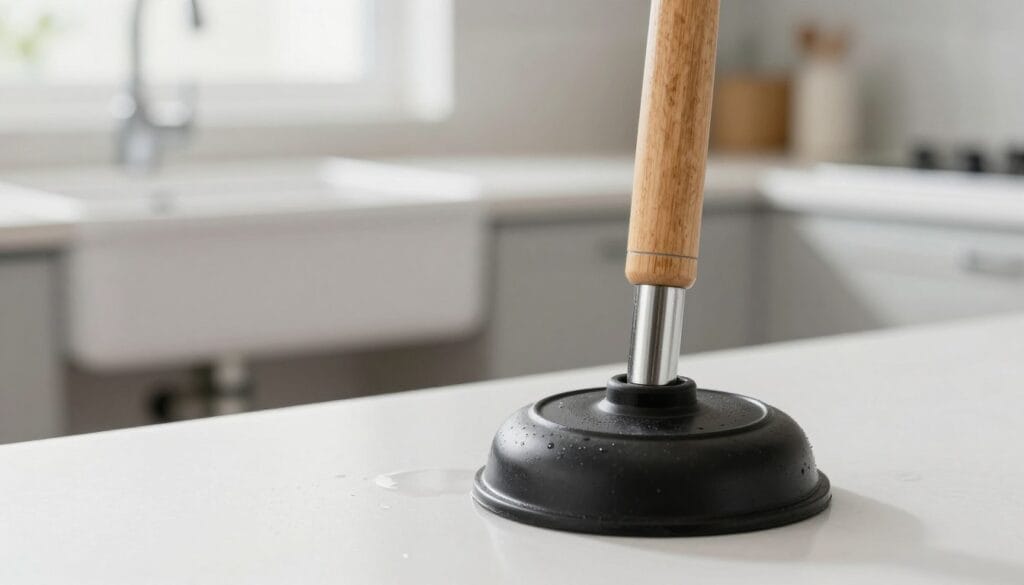
Using a plunger correctly for sinks, tubs, and toilets
Choose the right plunger for the fixture and create a tight seal. Make sure the bell is submerged so each stroke moves water, not air.
Use steady, full strokes — avoid half pushes. Repeat until flow returns, then test with a small volume of water to confirm the blockage cleared.
Plastic hair snake for shallow clogs
A flexible plastic snake pulls hair and soap out of traps without harsh chemical drain cleaner. Insert gently, twist and pull.
Stop if it resists; forcing can snap the tool and add more debris. Replace with a sturdier snake if needed.
Plumber’s snake (auger) for deeper blockages
An auger breaks up or hooks material further down the line. Expect to spend about $20–$25 for a basic model.
Feed slowly and stop if you hear scraping. Scratching pipes can lead to leaks; readjust rather than force the tool.
Coat hanger as a last-resort hook
A straightened hanger can reach very near-surface clogs, but it scratches and has limited reach. Use it only when other options are unavailable and you accept the risk.
If problems persist or you suspect a deeper line issue, call Lord Mechanical LTD at 6046703737 for service in North and West Vancouver.
Under-the-sink fixes for stubborn kitchen sink clogs
Certain slow or stopped flow problems hide under the cabinet. We start by narrowing the issue to the garburator or the line so you know next steps.
Checking the garburator for jams and safe reset/removal steps
Always cut power before touching the unit. Unplug or switch off the breaker, then use a flashlight to inspect the flywheel.
Remove lodged items with pliers or tongs — not your hand. If the flywheel is jammed, use the manufacturer’s wrench or reset method.
“A jammed garburator can mimic a blocked line; power off first.”
Cleaning the P-trap with a bucket and basic hand tools
Place a bucket beneath the trap and loosen the slip nuts slowly. Expect trapped water and food waste; clear debris and wipe the parts clean.
Reassemble and run water to test. Repeat this process up to two times if necessary before moving on.
Snaking from the trap arm to reach clogs further down the pipe
If the P-trap is clear but flow fails, remove the trap arm and feed a hand snake into the stub to reach the main line.
Work gently and stop if you feel abnormal resistance or hear scraping. For persistent problems, call a licensed plumber — Lord Mechanical LTD at 6046703737 — serving North and West Vancouver.
Drain clearing tips that don’t work well (or can make things worse)
Not every quick solution helps — some actually speed pipe decay or push a clog farther down the line.
When harsh chemical cleaners can corrode or crack pipes
Strong liquid cleaners produce heat and sit in trapped water. That heat and the chemicals can weaken older pipes, accelerate corrosion, or cause hairline cracks.
They are not a safe default for persistent blockages.
Common DIY mistakes that make clogs worse
Forcing an auger or jamming a tool can scratch and damage the line. Plastic consumer tools can snap and leave more debris inside.
Often the result is a compacted clog that moves deeper and becomes harder to remove.
What not to put down the opening
- Oils and grease — they coat the inside of the pipe and trap other material.
- Coffee grounds, food solids and non-degradable paper products (wipes, paper towels).
- Anything labelled “flushable” that isn’t toilet paper — these bind with grease and form stubborn clogs.
“Repeated blockages are a signal to change habits and inspect the system.”
If you see frequent backups, multiple fixtures affected, chemical exposure risks, or any leak or flood signs — call professional service. Contact Lord Mechanical LTD at 6046703737 for reliable help in North and West Vancouver.
Keep your drains clear with simple maintenance habits
Small, regular actions prevent slow flow from becoming an emergency in Vancouver homes. We recommend a short routine you can follow at home to reduce buildup and spot problems early.
Daily quick clean: rinse and empty strainers and guards
Empty removable strainers or guards every day. Rinse them and return them dry. This stops food scraps and hair from entering the system.
Routine hot-water flushes to reduce grease over time
Once or twice a week, run very hot water down kitchen openings for a minute. Regular hot water helps dissolve soft grease before it builds up.
Monthly natural cleaning with baking soda and vinegar
Use a baking soda and vinegar cycle monthly to freshen lines and remove light residues. Let the reaction sit 10–15 minutes, then flush with hot water. This is maintenance, not a fix for strong blockages.
Watch for early warning signs and check for leaks
Gurgling, odd odours or slower flow are early warnings. Check under sinks monthly for wet spots, stains or cracks. Acting fast reduces the chance of a full blockage and water damage.
“Small habits today save big repairs tomorrow.”
If problems persist or you find leaks, call Lord Mechanical LTD at 6046703737 for reliable service in North and West Vancouver.
Conclusion
Before you close this page, remember the simple sequence that saves time and protects pipes.
Start with low‑risk home methods (hot water, baking soda + vinegar), then try proven tools — plunger, hair snake, auger — and inspect under the sink if the kitchen sink still backs up.
Avoid overusing harsh chemical drain cleaners, forcing tools, or sending grease, wipes and paper down the line. These actions make clogs worse and harm pipes.
You know a clogged drain is truly fixed when flow is steady, there’s no gurgling or odour, and the problem does not recur after normal use.
If repeated clogs or multiple fixtures slow, it often signals a deeper water drain issue. Don’t guess — call professional help. Reach Lord Mechanical LTD, your local plumber in North and West Vancouver: 604‑670‑3737.