

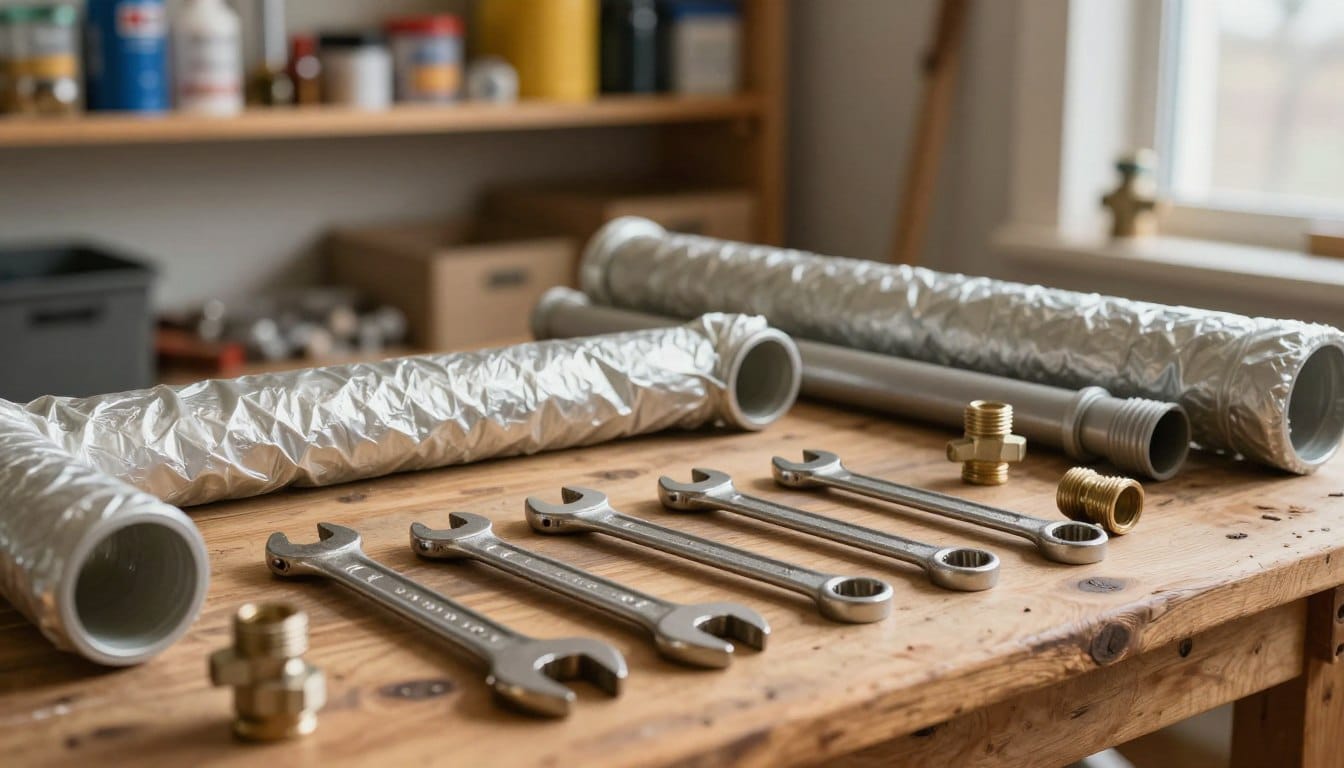
Surprising fact: in cold months, frozen water causes more household pipe breaks than fires or storms combined in many Canadian communities.
We guide you through a clear, practical checklist you can use on Vancouver’s North Shore to protect your home and small business. Winterizing a plumbing system means stopping water from freezing in exposed pipes and drains.
Start with quick outdoor tasks: disconnect hoses, drain exterior faucets and clear gutters. Then check indoors — basements, crawl spaces and any exposed pipe runs. Insulating and testing sump pumps cuts the chance of costly water damage.
Most steps take under an hour. Some, like wrapping long runs or installing heat cable, take longer depending on access. Proactive maintenance is almost always cheaper and less disruptive than emergency repairs mid-season.
If you prefer a professional walkthrough, call Lord Mechanical LTD at 604 670 3737. We serve North Vancouver and West Vancouver and can help you decide what to do yourself and when to call us.
Key Takeaways
- Frozen water expands and can crack pipes; act early to reduce risk.
- Disconnect hoses, drain outdoor taps and insulate exposed runs.
- Test sump pumps and clear drains to avoid backups.
- Most steps take under an hour; some installations need more time.
- Proactive maintenance saves money compared with emergency repairs.
- Busy? Do these three: drain taps, insulate critical pipes, test pumps.
- Book a professional inspection: call Lord Mechanical LTD at 604 670 3737.
Why winter plumbing prep matters in Canada
Canadian freezes strain water lines; spotting early signs helps you act fast and avoid major damage. We explain how cold temperatures affect pipes, how to read low flow as a warning, and what to watch for in your home.
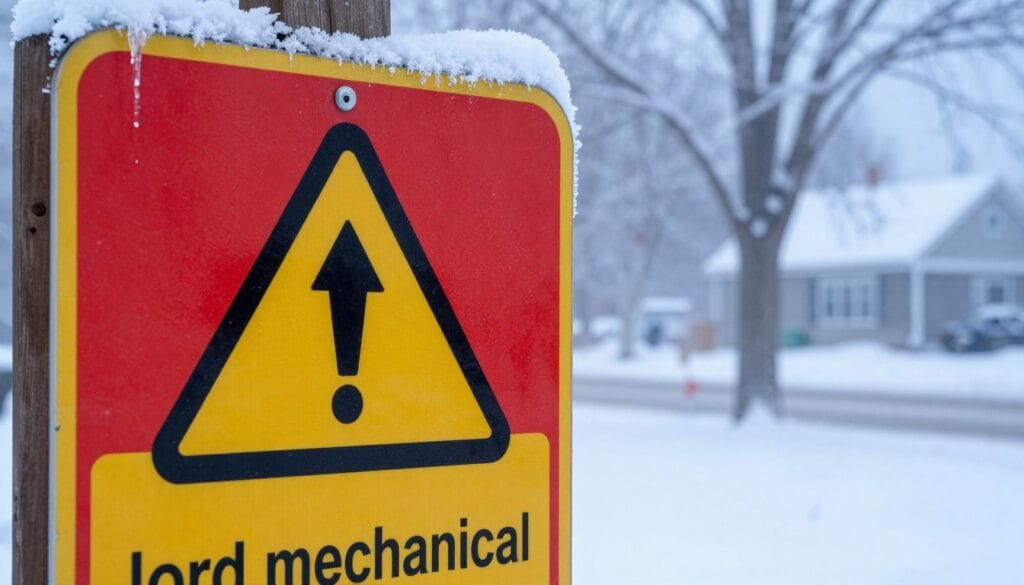
What freezing temperatures do to pipes, water flow, and pressure
When water freezes it expands and raises internal pressure. That extra pressure can crack or burst a pipe, or weaken lines so they fail later when thawing starts.
Early warning signs of frozen pipes and winter problems
Look for no water, a slow trickle, frost on exposed pipes or odd noises when a tap opens. Low water flow at one fixture can mean a freeze upstream, not just a clog.
| Sign | What it means | Action |
|---|---|---|
| No water | Possible complete freeze in the line | Act immediately; open taps and call if unsure |
| Slow flow | Partial ice restriction upstream | Check exposed pipes and warm area cautiously |
| Frost on pipe | Pipe temperature at freezing point | Insulate or use safe heat options |
If you suspect a freeze, act now. Cold air leaks at rim joists, windows or utility penetrations can drop pipe temperature fast. For guidance or urgent help, call Lord Mechanical LTD at 6046703737.
Plumbing before winter: outdoor shutoffs, hoses, and faucets
A short outdoor checklist can stop small issues from turning into major water damage claims. We focus on quick, high-impact tasks you can do in under an hour to protect exposed pipes and lines.
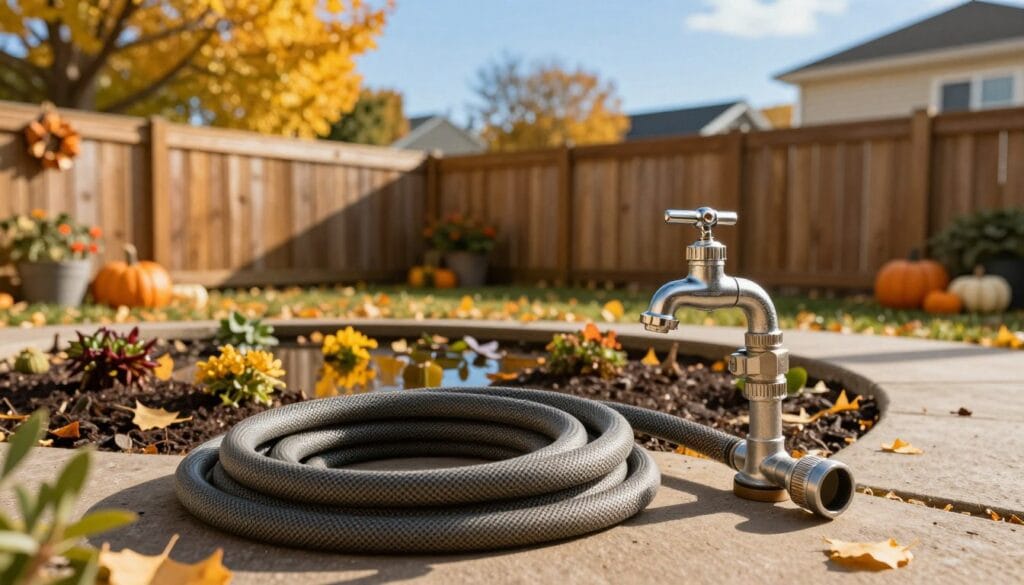
Disconnect and drain hoses to prevent freezing damage
Remove garden hoses and fully drain them. Trapped water at the connection freezes and can split the hose or crack the outdoor faucet.
Tip: Store hoses indoors to extend their life and reduce the chance of frozen water near the bib.
Drain exterior faucets and protect outdoor lines from burst pipes
If your home has an exterior shutoff, turn it off and open the outdoor faucets to clear residual water from lines. Confirm the line is empty by leaving the tap open briefly.
Inspect faucets for drips and worn washers. Small leaks worsen when temperatures drop and raise the risk of costly damage.
Clear outdoor drains and gutters to reduce ice buildup and flooding risks
Clear leaves and debris from area drains, downspouts and patios to prevent ice dams and local flooding near foundations.
| Task | Why it matters | When to call us |
|---|---|---|
| Disconnect hoses | Prevents trapped water from freezing at the bib | Hose won’t detach or is damaged |
| Shut exterior lines | Removes water from exposed pipes to stop bursts | Can’t find shutoff or valve won’t close |
| Clear drains & gutters | Reduces ice buildup and local flooding risks | Blockage requires mechanical snaking |
One outdoor step—doing this routine—can prevent thousands in repair bills. If a shutoff is hidden or a valve fails, call Lord Mechanical LTD at 6046703737. We serve North Vancouver and West Vancouver and will help secure your home.
Protect exposed pipes in basements, attics, and crawl spaces
We focus on the house areas where pipes lose heat fastest and on practical fixes you can do in one visit.
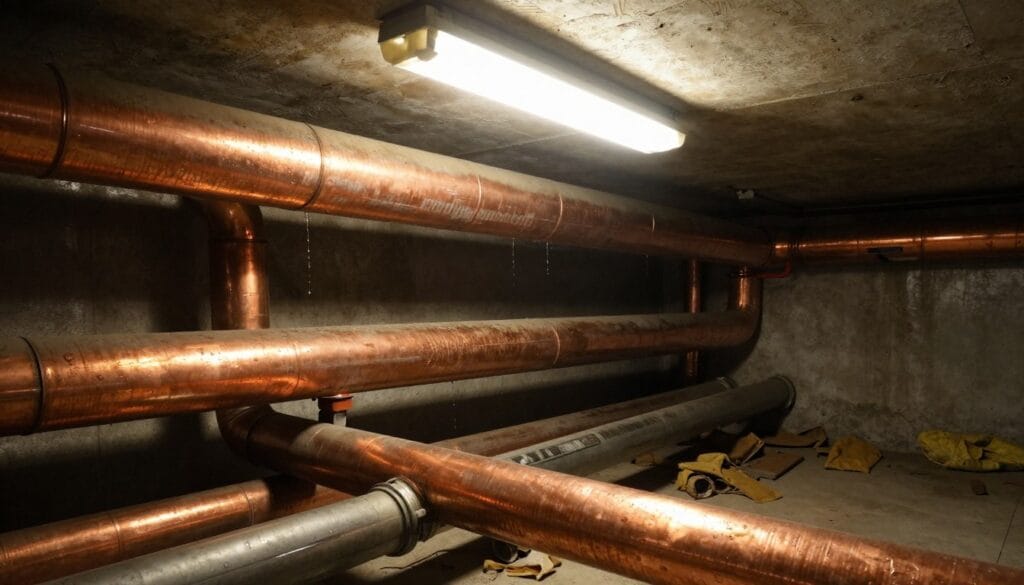
Wrap exposed pipe runs with proper insulation
Insulate exposed pipes in unheated basements and crawl spaces with foam sleeves or wrap. Cover elbows and joints; gaps let cold air reduce pipe temperature quickly.
Use heat tape or cable safely
For higher-risk runs, add heat tape or heat cable rated for water pipes. Follow manufacturer instructions, avoid overlapping, and use GFCI protection where required.
Seal drafts and circulate warm air
Seal gaps at sill plates, vents and service penetrations to stop cold air from reaching pipes. Open cabinets under sinks to let warm room air reach lines on exterior walls.
Thermostat, faucets and steady heating
Keep a steady thermostat setting during cold snaps; avoid large swings in temperature. A small, controlled drip at vulnerable faucets can relieve pressure and lower the risk of a burst if pipes freezing begins.
Business owners: protect exposed pipes in storage and mechanical spaces to reduce downtime. For help mapping high-risk areas or installations, call Lord Mechanical LTD at 6046703737. We serve North Vancouver and West Vancouver.
Prevent clogs, slow drains, and frozen drain pipes during winter months
Small habits at the sink and in vulnerable areas stop most drain problems. We focus on practical steps to keep water moving and avoid costly backups in your home or business.
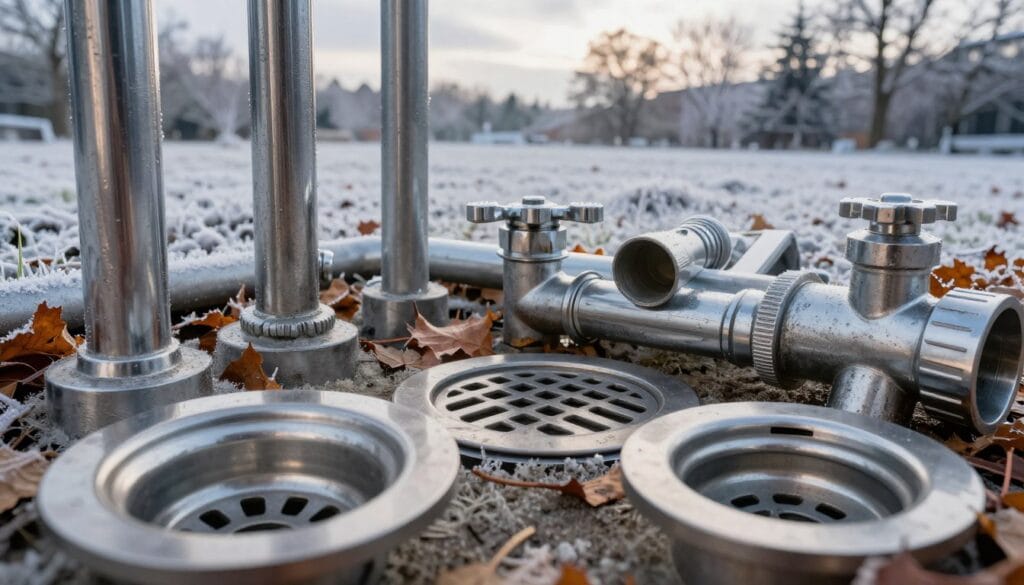
Keep kitchen drains flowing by avoiding grease and fibrous scraps
Cold months see more cooking and more grease that solidifies in pipes. Do not pour fats, oils or greasy cooking liquids down the drain.
Scrape plates and collect fibrous scraps—banana peels, celery strings or carrot skins—into the compost or garbage instead of the sink.
Maintain drain pipes on exterior walls to prevent freezing
Drain pipes that run along exterior walls cool faster and can slow or freeze. Early signs include slow drain, gurgling sounds or backups at fixtures.
Use gentle thawing: pour warm water slowly or apply a heating pad wrapped around the exposed run. Avoid open flames or aggressive tools that damage pipes.
Use strainers and hot water habits to support long-term drain maintenance
Install strainers to stop food particles entering the line. Run hot water after dishwashing or using the disposal to flush fats while they are still liquid.
If clogs recur, or a main line shows repeated backups, call Lord Mechanical LTD at 6046703737 for professional maintenance and fast service in North Vancouver and West Vancouver.
Check key systems that cause winter water damage
A few targeted tests on your critical systems can stop minor issues from turning into major water losses. We focus on the “big three”: sump pump failure, unnoticed leaks, and water heater strain.
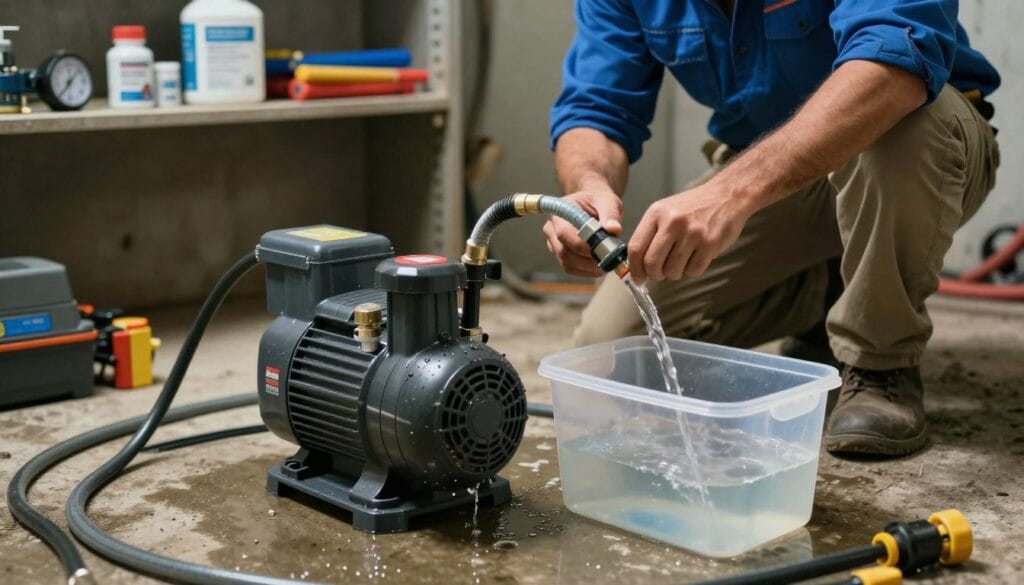
Test and maintain your sump pump
Pour water into the pit to confirm the pump starts and the float moves freely. Watch the discharge to ensure water is pushed well away from the foundation.
Clear any obstructions and consider insulating the discharge line to prevent it from freezing in cold air. Replace batteries on alarms and keep a secondary pump or backup power plan if flooding would cause major damage.
Spot and fix leaks before they freeze
Inspect under sinks, around shutoffs, near the water heater, and at toilet bases. Even a small drip can freeze in a line and cause larger repairs.
Fix leaks promptly—it reduces the chance of frozen pipes, mould, and costly follow-up repairs.
Inspect water heater performance
Listen for rumbling or popping noises and note any loss of hot water or slow recovery. These signs indicate sediment, inefficient heating, or a failing element.
Some fixes are simple, but many require a licensed plumber to keep systems safe and efficient.
When to call a plumber
- No water or suspected frozen pipes
- Active leaks or rising pressure at fixtures
- Repeated sump pump alarms or sewer backups
Service expectations: expect prompt arrival, a tidy work area, and technicians who explain options clearly before starting repairs.
| System | Quick test | When to call |
|---|---|---|
| Sump pump | Pour water into pit; confirm activation and clear discharge | Pump fails to start or discharge is blocked |
| Leaks | Visual check at shutoffs, under fixtures, and near heater | Visible drip, wet spots, or frozen sections |
| Water heater | Check hot water delivery and listen for noises | Loss of hot water, loud rumbling, or leaks at tank |
If you spot urgent issues, call Lord Mechanical LTD at 6046703737 for fast service across North Vancouver and West Vancouver.
Conclusion
Conclusion
Simple actions done once can stop most costly failures and keep your home operational on the coldest days. Recap the checklist: shut off and store hoses, add insulation and safe heat protection, adopt drain‑smart habits, and test key systems like pumps and heaters.
Regular maintenance reduces problems, limits damage and cuts emergency shutdowns for both homes and small businesses. Take photos and note shutoff locations and insulation runs so next season’s prep is faster.
If you prefer a full professional review and end‑to‑end winterize service for your plumbing system, call us. Call 604 670 3737 for Lord Mechanical LTD in North Vancouver and West Vancouver.