

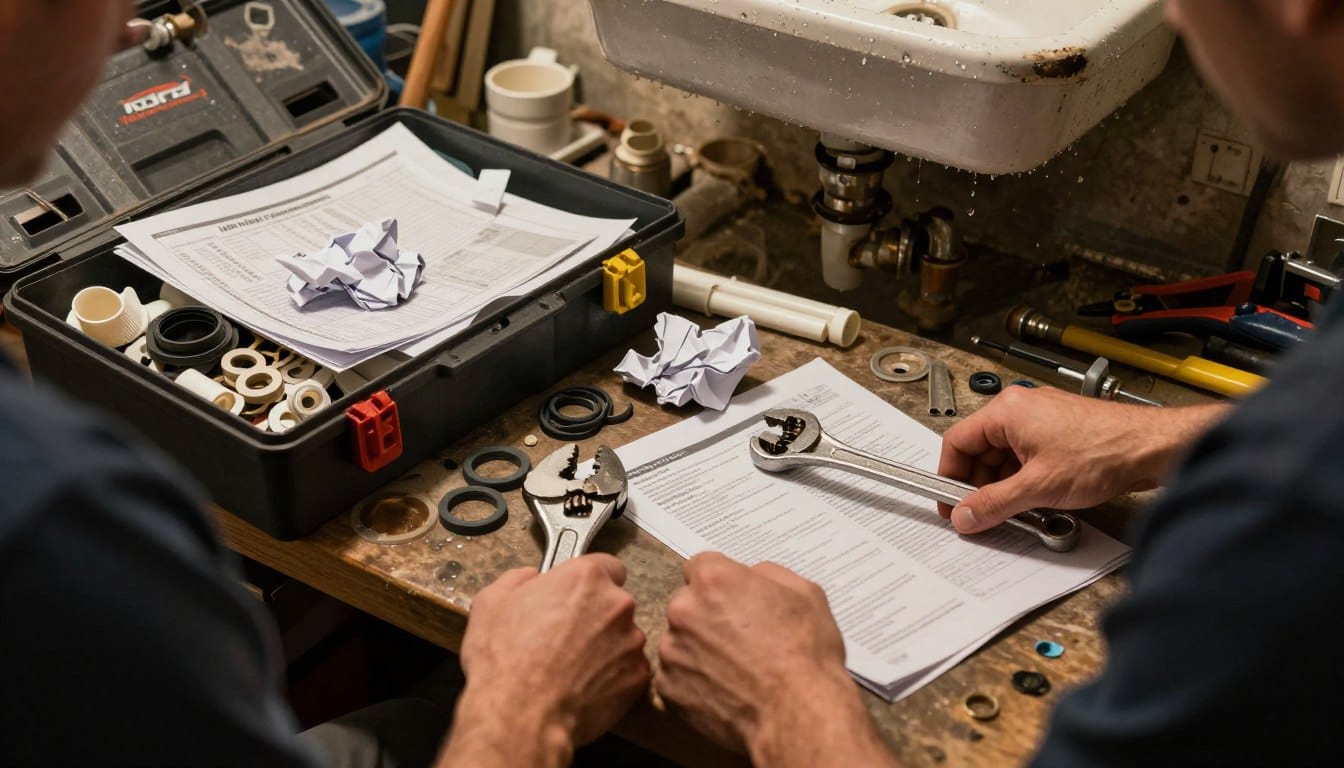
Surprising fact: a small leak under pressure can release over 20 litres a minute, and that volume can soak floors and walls in only a few minutes.
We see why a quick fix looks attractive: fast results, a confident YouTube clip and the hope of saving money. But what starts as a small attempt can become major plumbing damage fast.
When we talk about diy plumbing risks in Canadian homes, we mean threats to your safety, your house and your property value — not just whether the tap stops dripping.
Small mistakes — the wrong sealant, overtightening, or missing a shut-off valve — let water travel behind walls. That hidden flow creates mould, electrical hazards and costly repair bills. Improper repairs may also void warranties and complicate insurance claims.
We’ll show what you can safely handle, what warning signs demand a pro, and when to stop and call us. If you’re in North Vancouver or West Vancouver and unsure, call Lord Mechanical LTD at 604 670 3737 to avoid compounding damage.
Key Takeaways
- Water under pressure can cause rapid, unseen damage in minutes.
- Simple fixes often mask bigger plumbing problems that need a professional.
- We define common diy plumbing faults and the practical steps to reduce harm.
- Warranty and insurance issues can follow improper repairs, so be cautious.
- If in doubt in North Vancouver or West Vancouver, call Lord Mechanical LTD at 604 670 3737.
Why DIY plumbing feels simple, but your plumbing system isn’t
A quick glance at a sink rarely shows the full complexity behind your home’s water network. We often see a loose tap or a slow drain and assume a simple fix will do.
Yet the system includes supply lines, drains, vents and shut-offs that react to pressure and flow in different ways. Older homes in North Vancouver and West Vancouver can mix pipe types and hidden repairs that make errors costly.
Overconfidence and underestimating systems in Canadian homes
Overconfidence leads homeowners to misdiagnose. A worn seal might be corrosion, a failing valve, or excess pressure. Treating the visible symptom can hide deeper issues and make the original problem worse.
How a “small” leak or clog becomes a bigger problem fast
Clogs can return when the real cause is a blocked vent or a downstream obstruction. A loosened fitting can stress an adjacent joint. These cascading failures create urgent repairs and higher costs.
Decision point: If you feel unsure, call Lord Mechanical LTD at 604 670 3737 for guidance before a simple task becomes an emergency.
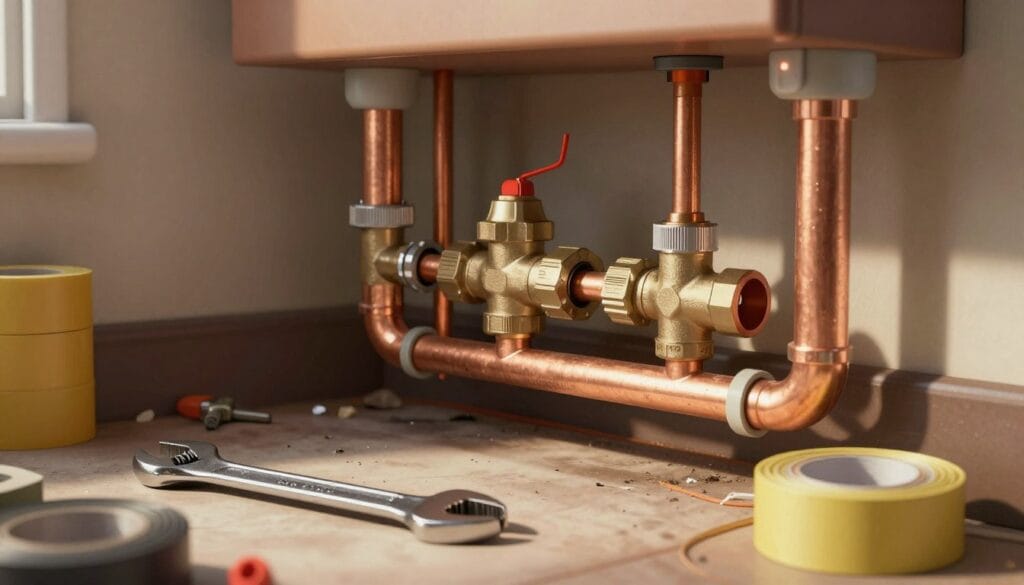
| Common symptom | Possible root cause | What to do next |
|---|---|---|
| Slow sink | Grease build-up, vent problem, downstream clog | Check trap, test venting; call if it returns |
| Small leak | Worn seal, corrosion, failing valve | Shut off local valve; seek proper diagnosis |
| Intermittent pressure loss | Valve failure, hidden breaks, supply issue | Inspect shut-offs; phone 604 670 3737 for help |
diy plumbing risks homeowners overlook most often
A single wrong turn of a wrench can set off a chain of failures you didn’t expect. We break down the common dangers homeowners miss and explain why small errors often become big problems.
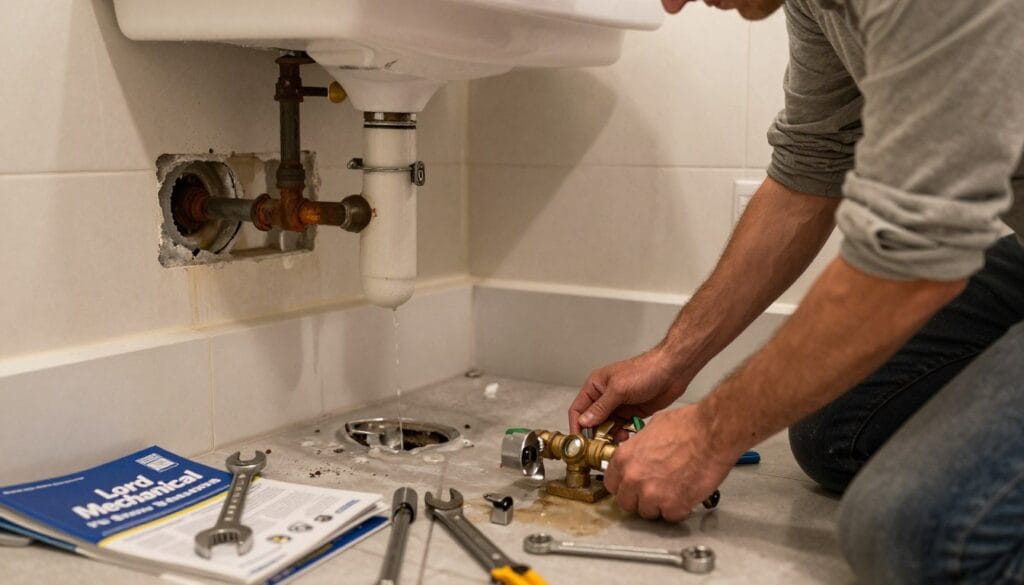
Health hazards from tools and old fixtures
Cutting, prying or using power tools without eye protection causes injuries fast. Old fittings and pipes can contain hazardous materials and expose you to bacteria or sewage gases.
Safety hazards: electrical, gas, and fire
Work under sinks or near water heaters can intersect with electrical outlets and gas lines. Without proper isolation, you risk shocks, burns or creating a fire source when using heat.
Water damage, mould and misdiagnosis
High water pressure can turn a small leak into major water damage in minutes. Slow leaks hidden behind cabinets invite mould and costly remediation.
“If you suspect sewer, gas, electrical or uncontrolled leaks, stop and call Lord Mechanical LTD at 604 670 3737.”
- Misdiagnosing clogs or replacing parts that don’t fix the root cause often repeats the problem.
- Aggressive drain snakes or overtightening can gouge pipes, crack fixtures, or make leaks worse.
- Always locate and test shut-off valves before you start any work.
Stop and call for high-risk sewer, gas, electrical or major leak work: 604 670 3737. We serve North Vancouver and West Vancouver and will help you avoid further damage.
How to reduce risks DIY plumbing with a safer approach
Before you reach for a wrench, take a moment to plan the job so it doesn’t turn into an emergency.
Prep steps that protect your home from damage
Locate the fixture valve and the main shut-off. Test each valve to confirm it stops the water supply.
Relieve pressure by opening taps. Clear the work area and protect floors and cabinets with towels or a plastic sheet.
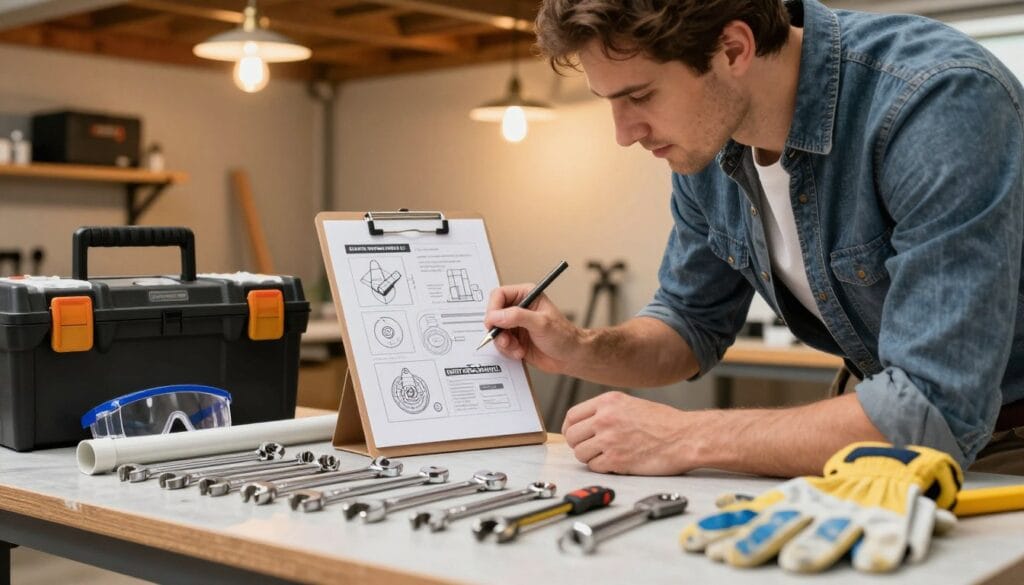
Using the right tools and materials without cutting corners
Use the correct wrench size and a flashlight. Improvised tools slip and round fittings, which causes more damage.
Match washers and thread seal tape to the pipe type. Using wrong parts can make leaks worse and void warranties.
Leak-checking and monitoring after repairs to catch problems early
Dry all joints, run water at normal flow, then re-check under full flow and again after 30–60 minutes.
Watch for cabinet swelling, musty odours, or recurring moisture the next day. Early detection saves time and costly remediation.
| Step | Why it matters | Quick check |
|---|---|---|
| Shut off & test valves | Stops water before fittings are opened | Tap downstream; no flow = OK |
| Protect work area | Prevents surface damage and mould | Towels, bucket, clear path to main |
| Use correct parts | Prevents leaks and cross-threading | Match pipe type and sealant |
| Post-repair monitoring | Finds slow leaks early | Check after 30–60 mins and next day |
If you want a second opinion before you proceed, call us at 604 670 3737. We serve North Vancouver and West Vancouver and will help keep your home’s water system safe.
DIY-friendly plumbing repairs that are typically low risk
There are straightforward fixes that restore performance quickly without opening supply lines or walls. We list the safe, low-skill projects you can try and the checks to keep your home dry.
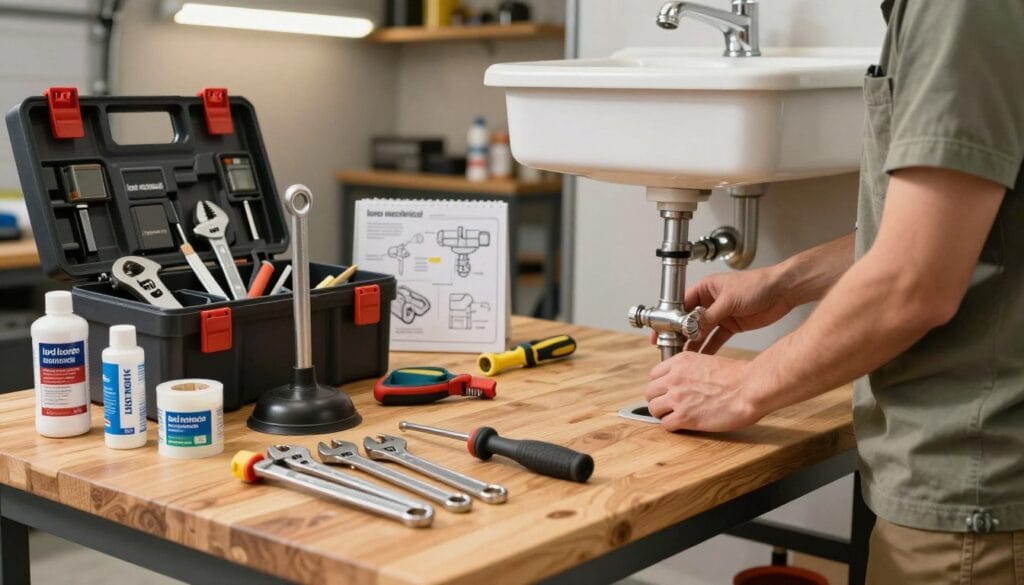
Common low-risk jobs you can tackle at home
Faucet aerators: Mineral buildup reduces flow. Unscrew the aerator, soak it in vinegar, or replace it. This fixes water delivery without touching supply valves.
Showerheads: Remove the head, clean mineral deposits, wrap the thread with tape, and reinstall. Check the arm connection for leaks after turning water on.
Rubber washers: Worn washers cause dripping taps. Replace the washer, reassemble the cartridge, then run the tap and inspect for drips.
Clearing drains and P-traps
Plunging: Use a cup-style plunger on sinks or a flange plunger for a toilet. Pump with a seal and test flow. Repeated clogs point to deeper issues and need a pro.
P-trap cleaning: Place a bucket under the trap, loosen slip nuts carefully, clear debris, then re-tighten without overtightening. Turn the water on and check for leaks.
Quick rule: If the same drain or toilet clogs repeatedly, stop repeating DIY and book a diagnosis. For help in North Vancouver or West Vancouver, call Lord Mechanical LTD at 604 670 3737.
Plumbing jobs to leave to a professional plumber
Some projects demand skill, licences and specialised gear. Attempting them yourself can lead to injury, contamination, or major property damage. We recommend calling trained professionals whenever work involves complex systems, pressurised tanks, or sewage.
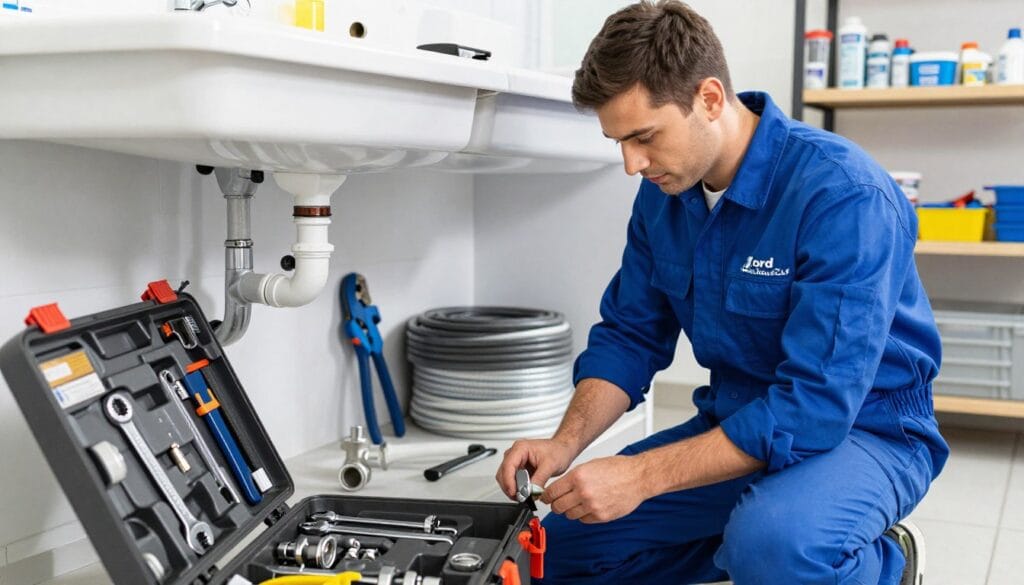
Water heater repairs and installations
Water heater jobs that touch gas or electrical components must be handled by a certified plumber. A wrong connection or loose fitting can cause fire, shock, or sudden leaks from a pressurised tank.
Sewer and sewage backups
Sewer line and sewage backups need cameras, high-pressure cleaning and safe containment. These issues risk contamination and often require permits and professional disposal.
Pipe replacement, slab and underground lines
Replacing pipes, re-piping or fixing slab leaks is diagnostic work. One incorrect cut or joint can release large volumes of water. Underground line work also risks foundation and landscape damage if done poorly.
Remodels and emergency red flags
Kitchen or bathroom remodels that change drainage or the water supply affect venting and slope. For burst pipes, flooding, sudden loss of water pressure, or repeated toilet backups, stop and call a professional plumber now.
“For any of these higher‑risk jobs, call Lord Mechanical LTD at 604 670 3737 — we serve North Vancouver and West Vancouver.”
| Job type | Why call pros | Outcome you get |
|---|---|---|
| Water heater (gas/electrical) | Gas, electrical and pressurised tank safety | Safe install, code compliance, no leaks |
| Sewer & sewage backups | Contamination control, cameras, permits | Clean, sanitary lines and correct repairs |
| Pipe replacement / slab leaks | Accurate diagnosis, correct joining by material | Durable repairs, reduced future damage |
| Remodels affecting drains | Venting, slope and supply integrity | Reliable drainage, no chronic clogs or odours |
Hiring licensed plumbers helps ensure the job done is safe and durable. For fast, professional plumbing services in North Vancouver and West Vancouver, call Lord Mechanical LTD at 604 670 3737.
Codes, permits, and insurance: what DIY plumbing can cost you in Canada
Building or altering water lines without permits can cost far more than the initial tool bill. Small, uninspected changes often hide faults that surface later as serious problems.
Why code requirements matter for safety and resale
Plumbing code requirements exist to protect safety and long‑term performance. They set standards for materials, slopes, venting and backflow prevention so systems work reliably.
Work done outside those standards can fail quietly. Later, a home inspection or buyer may flag the issue and demand costly correction before a sale.
When permits may be required and why unpermitted work can backfire
Moving fixtures, adding new lines or major replacements usually need permits and inspections. Skipping them can lead to fines, forced undoing, or failed closings.
- Permitted work gets checked for code compliance.
- Unpermitted repairs can hide defects behind walls until they cause bigger damage.
Warranty and insurance coverage risks with DIY repairs
Many product warranties require professional installation. DIY work can void warranties and put your insurance claim at risk if the work contributed to a loss.
The true cost is not just money — it is time, repeated repairs and disruption to your home or business.
| Issue | Consequence | Typical cost/time | Pro action |
|---|---|---|---|
| Unpermitted fixture move | Fine or rework at sale | Money & weeks | Permit pull and inspected install by professionals |
| Hidden faulty joint | Slow leak, mould | Money, days for remediation | Camera diagnosis and certified repair |
| DIY heater install | Voided warranty, unsafe | High cost, safety risk | Licensed technicians with experience |
| Quick patch replacement | Repeat repairs | Lost time and extra money | Correct diagnosis and durable fix |
“If you’re unsure whether a job needs a permit or a pro, call Lord Mechanical LTD at 604 670 3737 — we serve North Vancouver and West Vancouver and help you avoid costly non‑compliance.”
When compliance matters, professional plumbing saves money and time by getting the job done right the first time.
Conclusion
Knowing when to stop and call matters more than finishing a task quickly.
We support homeowners who want to save money and time, but hidden pressure, old pipes and misdiagnosis turn small jobs into big water damage. Simple work — an aerator or a P-trap clean — is fine. Anything beyond that can escalate into sewage, drain or pipe failures that cost much more.
If a leak, repeated drain problem, or any work touches a water heater, sewer line or hidden system, call Lord Mechanical LTD at 604 670 3737. We serve North Vancouver and West Vancouver and provide experienced plumbers and plumbing services to protect your home and property value.