

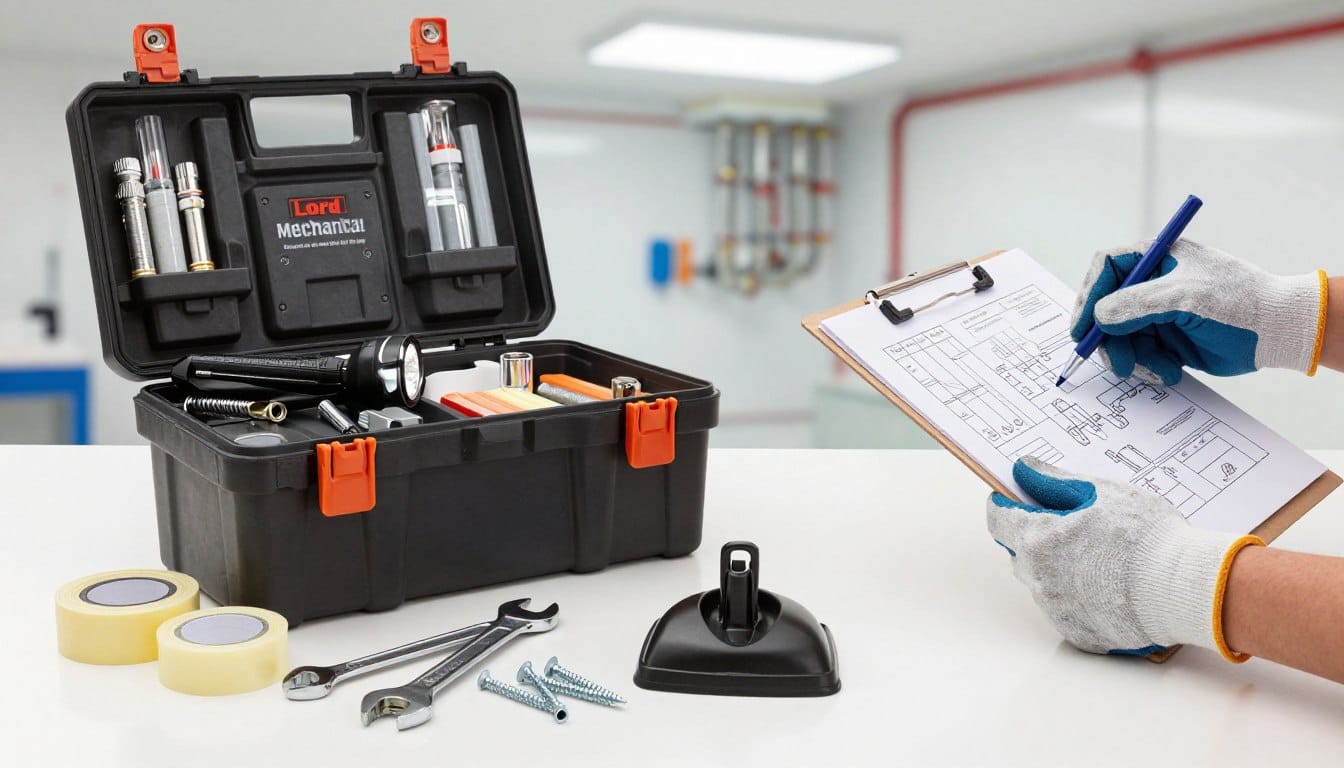
Surprising fact: a single unnoticed leak can waste over 200 litres of water in 24 hours and start serious damage within a day.
We help North Vancouver and West Vancouver homeowners and business owners understand what true emergency plumbing readiness looks like. Being ready means a simple plan, basic tools, and a trusted contact before problems begin.
Water spreads fast and damage compounds quickly. We explain what to do in the first minutes, how to shut off water, and when to call a qualified plumber. Older buildings, odd shutoff locations and winter freezes make local context important.
Need help now? For rapid, professional service in North Vancouver and West Vancouver, call Lord Mechanical LTD at 604 670 3737.
Key Takeaways
- Have a simple plan and the right contacts before an incident occurs.
- Shut off water first to limit damage and protect people and property.
- Small drips can escalate; act quickly to prevent larger issues.
- Local factors — older systems and cold snaps — change how you prepare.
- Call Lord Mechanical LTD at 604 670 3737 for prompt, local services.
What counts as a plumbing emergency in Canadian homes
Water problems that spill, back up or soak materials need immediate attention in Canadian homes. We define a plumbing emergency as any situation where water actively causes damage, a drain or sewer backup creates a health risk, or a system failure threatens safety or business operations.
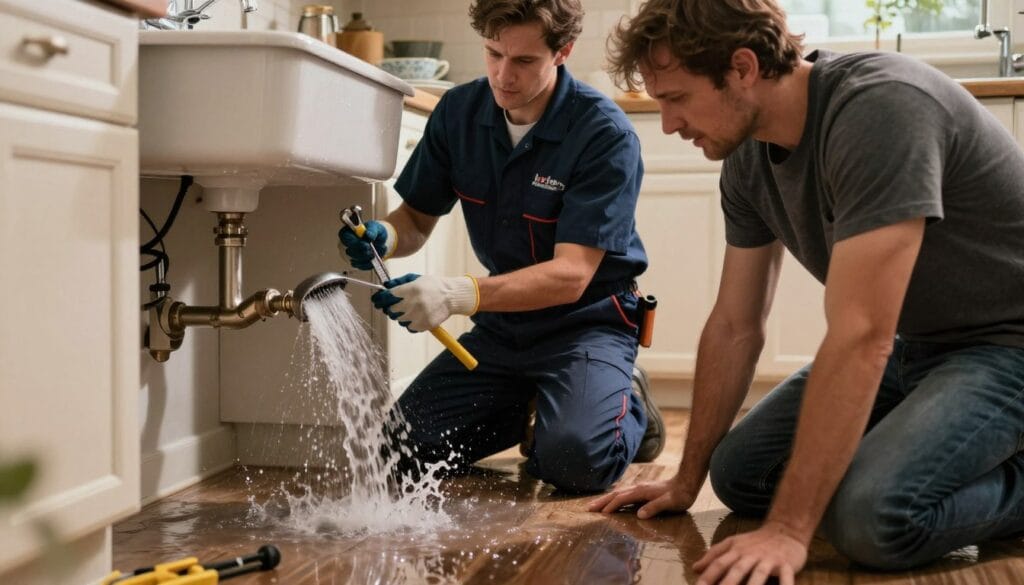
Common urgent incidents
Typical incidents include active leaks, overflowing toilets, blocked drains, burst pipes, and sewer issues that bring wastewater into living spaces. Some are simple to fix; others require a professional response.
When a small issue becomes urgent
Look for escalation signs: water rising at a floor drain, gurgling plus slow drains, damp drywall, sudden pressure drops, or unexplained spikes in water use. These signals often mean a deeper problem.
Why quick action matters
Stopping water fast limits floor and drywall damage, cuts mould risk, and lowers downtime for businesses. Do a quick severity check: is the water contaminated, spreading, near electrical gear, or isolated at a fixture valve? If not, call a pro.
Example: A slow sink clog with recurring odour may be a deep drain issue. For fast, local help in North Vancouver and West Vancouver, call Lord Mechanical LTD at 604 670 3737.
Emergency plumbing readiness: what to do in the first minutes
A clear first-minute plan turns panic into practical action when water appears. We guide you through quick checks and safe measures that limit harm and speed repair.
Identify and assess
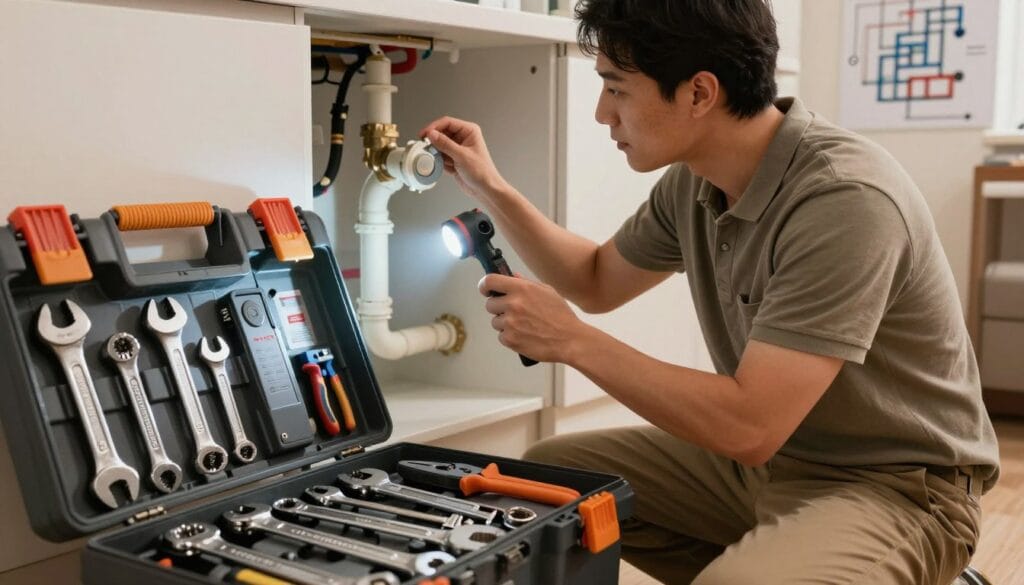
Find the source. Is the water clean or contaminated? Can you safely reach the area? Note how fast water is moving and whether electrical gear is nearby.
Containment and safety
Place buckets under drips and use towels to block spread. Move small appliances and rugs away. Use plumber’s tape or clamps for short-term stops if you have them.
Document and decide
Take photos and short videos before major cleanup. These help insurance and give technicians context. Stop DIY if water is flooding, if wastewater is involved, or if you can’t locate the leak fast. Call for help when needed.
| Step | Why it matters | Quick tools | When to call help |
|---|---|---|---|
| Source check | Targets the right action | Flashlight, phone | Cannot find source |
| Contain water | Limits floor and structural damage | Buckets, towels, tape | Fast spreading |
| Isolate power | Prevents electrocution and appliance damage | Turn off breakers if safe | Water near outlets |
| Record evidence | Speeds claims and repairs | Phone camera | Before cleanup |
Need local help now? For prompt service in North Vancouver and West Vancouver call Lord Mechanical LTD at 6046703737.
Shut off the water supply without guesswork
Knowing exactly where to shut the water off saves time and limits damage when a leak starts. Locate the main water shut-off where the supply line enters your home — often by the water meter in a basement or on an exterior wall.
Find fixture valves at sinks, toilets and appliances. Label each one and test-turn gently during a calm moment so you know how it moves.
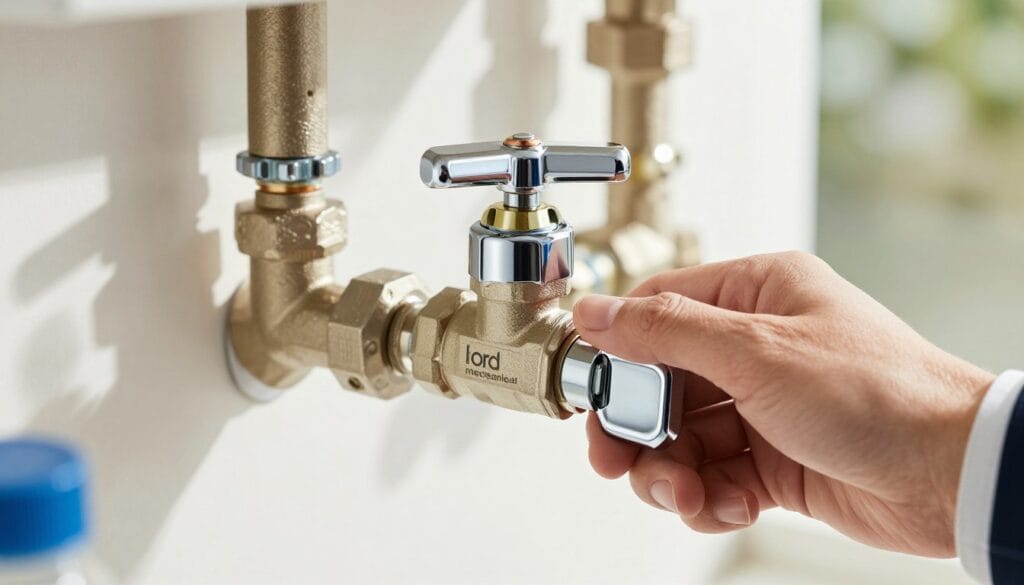
Gate valves vs. ball valves
Gate valves have round handles and need multiple turns. Ball valves use a lever and are quarter-turn. Turn slowly and never force stuck hardware.
Teach others and keep access clear
Make a simple written step list and show everyone where shutoffs are. For businesses, assign a staff member and keep the area free of storage.
- Use a fixture valve to isolate a single leak.
- Use the main water shut-off when a pipe bursts or water is spreading.
- After shutting water off, call a plumber and describe what you did.
Need local help? For fast service in North and West Vancouver call Lord Mechanical LTD at 6046703737.
Handle clogs, blocked drains, and backups safely
A measured response prevents a small clog from becoming a costly problem. Stop adding water and contain overflow risk before you try any fix. Decide whether the issue is limited to one fixture or affects multiple drains.
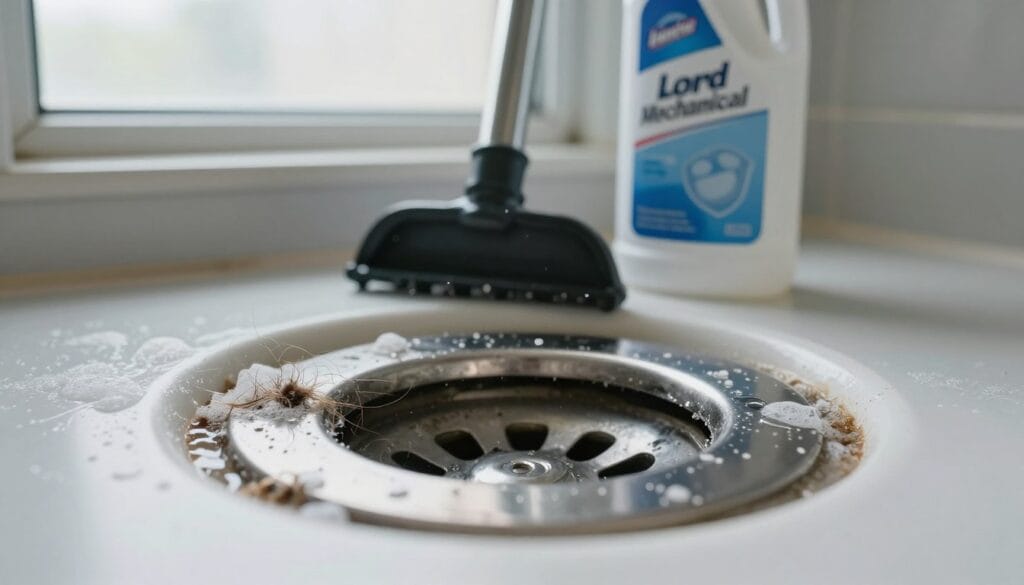
Plunger techniques by fixture
For toilets use a flange plunger. Create a tight seal and plunge with steady, forceful thrusts for 10–15 cycles. For sinks or tubs use a cup plunger and cover overflow holes first.
After three sets of plunges, reassess. If water level rises or gurgling spreads, stop and move to the next steps.
Gentler, pipe-friendly options
Try baking soda, then vinegar, then hot water for minor blockages. Let the reaction sit for 15 minutes, then flush with boiling water if your pipes allow.
Why chemical cleaners often backfire
Chemical drain products can corrode pipes, weaken joints, and complicate future repairs. If chemicals sit in the line, a plumber may face hazards and added repair cost.
When to call a plumber
Red flags: repeated backups, gurgling across multiple fixtures, sewage odour, or water rising in floor drains. These signs mean the clog is likely deep or in the sewer line and needs professional help.
| Action | Best for | Risk | Stop point |
|---|---|---|---|
| Plunger | Toilet, sink, tub | Low if used correctly | After 3 attempts or rising water |
| Baking soda + vinegar | Minor organic clogs | Safe for most pipes | No improvement after 30 mins |
| Chemical cleaner | Surface grease (not recommended) | Corrosion, joint damage | Any sign of sewer odour or repeated issues |
Need local help? For North Vancouver and West Vancouver call Lord Mechanical LTD at 6046703737 for fast, expert repairs and advice.
Stop leaks and respond to burst pipes to prevent damage
Acting fast when a leak shows up limits damage and saves time and money. We outline clear, practical measures you can use immediately and while you wait for professional service.
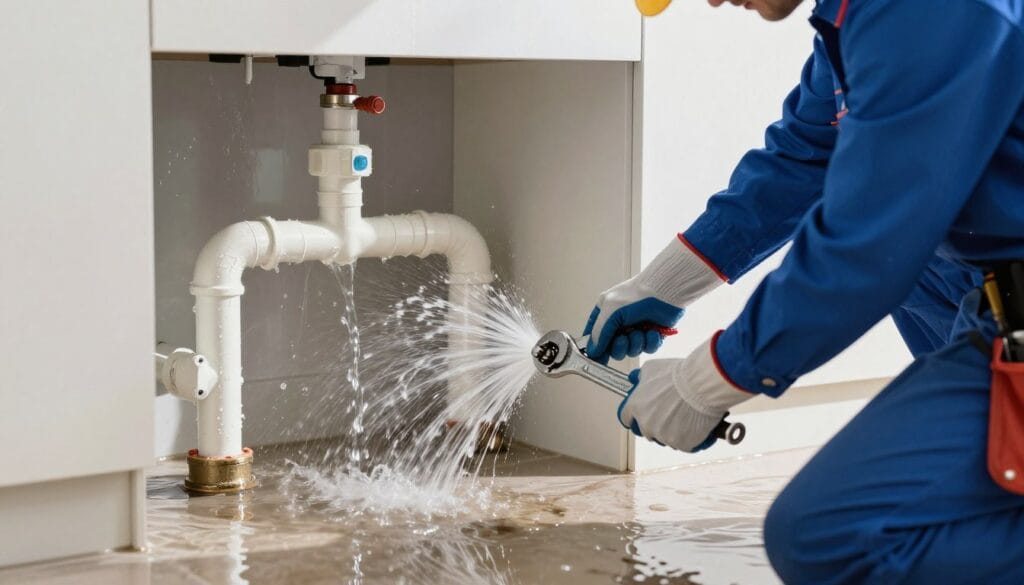
Temporary leak measures
Shut the nearest fixture valve if you can. Use towels and a bucket to contain running water.
Apply plumber’s tape or a short-term seal as a stopgap only. These measures buy time, not permanent fixes.
Burst pipe actions and short-term containment
Turn off the main water first, then open taps to drain the system and relieve pressure.
For visible breaks, use a pipe clamp or plumber’s epoxy as a temporary repair. Note: these are holding moves until proper repairs arrive.
Why quick professional service matters
Fast response reduces structural soaking, mould risk and repeat failures. A qualified technician finds the root cause and completes lasting repairs.
Prevention and cold-weather tips
- Schedule annual inspections and fix small leaks early to prevent damage.
- Insulate exposed pipes, keep indoor temperatures steady, and let a slow drip run in extreme cold.
If you can’t stop the water quickly or suspect hidden damage, shut off the main and call Lord Mechanical LTD at 6046703737 for prompt service in North and West Vancouver.
Conclusion
Swift, sensible action limits harm and helps a professional fix the real problem faster. Identify the issue, contain water, shut the supply, and pick the safe next steps based on severity. These steps cut damage and reduce stress for any home or business.
Build readiness now: label shutoffs, keep basic tools accessible, and show others how to act. Plunging and gentle drain methods suit minor clogs; persistent blockages, sewer backups, major leaks and burst pipes need a qualified plumber to avoid bigger issues.
Document damage with photos and short video — it speeds insurance and helps technicians arrive prepared. If you are in North Vancouver or West Vancouver and need urgent services, call Lord Mechanical LTD at 604 670 3737. We’ll help you turn preparation into peace of mind.